Watch Series Online

YouTube Premium Will Include Peacock Starting in 2027 — What This Means for Streaming
Table of Contents
The Big Picture
If you’ve been watching the streaming wars closely, you’ve noticed a pattern: everyone is either merging, acquiring, or bundling. Peacock, NBCUniversal’s streaming platform that’s often played third or fourth fiddle in the conversation, just made a move that changes the game entirely.
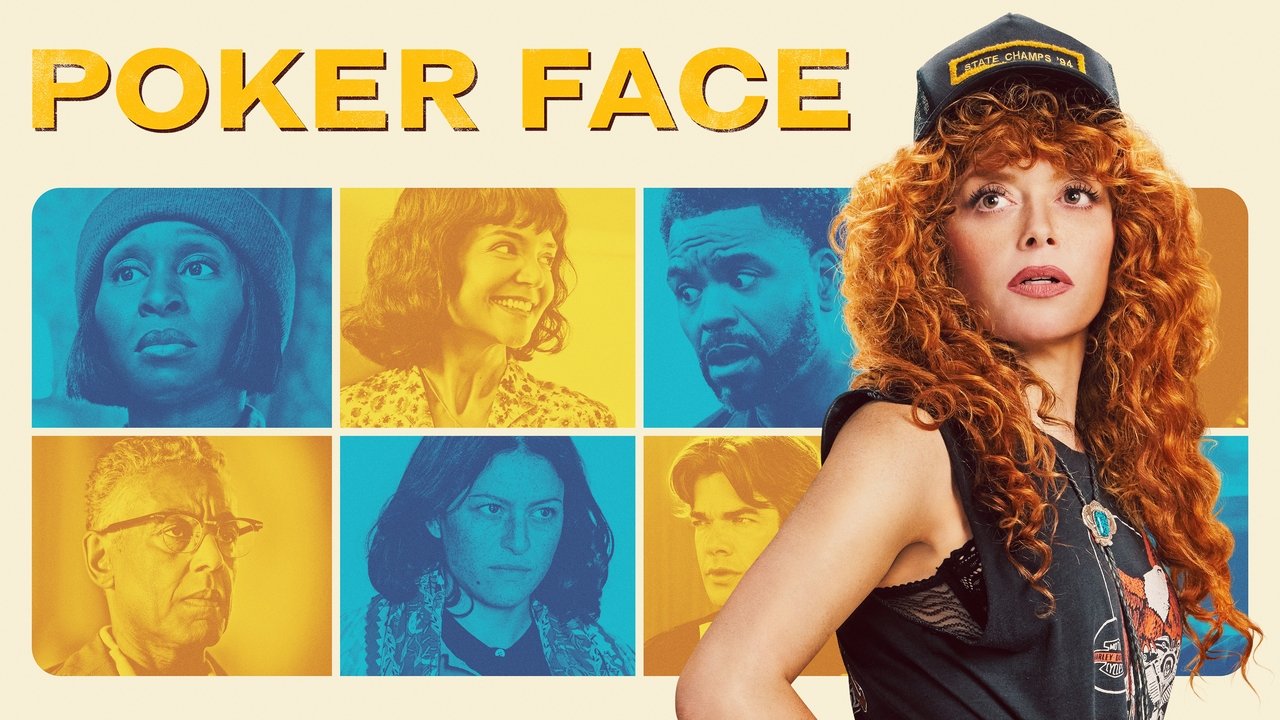
On Monday, NBCUniversal announced a landmark multi-year partnership with YouTube that will bring Peacock Premium (the ad-supported tier) directly into YouTube Premium subscriptions in the United States, starting in early 2027. That means YouTube’s ad-free tier — which already includes YouTube Music Premium and background playback — is about to get a whole lot more valuable.
This isn’t just another bundling experiment. It’s a strategic pivot that tells us a lot about where streaming is heading.
What the Deal Actually Looks Like
Under the agreement, YouTube Premium subscribers — currently paying $13.99/month for ad-free YouTube, background play, and YouTube Music — will get Peacock’s ad-supported tier at no extra charge. That gives them access to NBCUniversal’s full library, from flagship originals like Poker Face, Ted, and Bel-Air to huge library titles like The Office and Law & Order: SVU, plus live sports including Premier League, Sunday Night Football, and WWE programming.
The deal builds on an existing relationship — Peacock already launched as a standalone channel on YouTube Primetime Channels back in June. But this new agreement takes it from “you can buy Peacock through YouTube” to “Peacock is included with your YouTube Premium membership.” That’s a very different value proposition.
Why This Matters for the Streaming Landscape
While rivals like Warner Bros. Discovery and Paramount are trying to merge — with Paramount Skydance pursuing a WBD takeover that’s now being challenged by a multi-state antitrust lawsuit — Peacock is taking a different approach. Instead of buying scale through acquisition, they’re renting it through distribution.
Think about it: YouTube has over 100 million Music and Premium subscribers globally (in markets where these tiers exist). Even a fraction of that base in the U.S. is a massive audience that Peacock gains immediate access to without spending billions on a merger. The cost per subscriber acquisition through traditional marketing is astronomical right now. Bundling with YouTube solves that math instantly.
For YouTube, the move makes equal sense. The platform has been steadily building out its premium offering — from ad-free video to exclusive content to music streaming. Adding Peacock gives YouTube Premium a compelling hook that competing bundles (Amazon Prime, Apple One) already have: third-party streaming content included in the subscription. If you’re comparing a $13.99 YouTube Premium subscription against Amazon Prime Video at $14.99/month or Apple One at $19.95/month, Peacock inclusion suddenly makes YouTube a serious contender in the streaming bundle conversation.
It also shows that YouTube is serious about competing in the premium streaming space, not just as a user-generated content platform but as a destination for professional TV and film content. The company has been inching in this direction for years — investing in original programming, launching Primetime Channels, and now bundling a major streamer.
What This Means for Peacock Specifically
Peacock has always been in an awkward position. It launched late to the streaming party, it’s U.S.-only (no international expansion to speak of), and it lacks the massive content library of Netflix, the theatrical pipeline of Disney+, or the deep pockets of Amazon. Its subscriber numbers — reportedly around 40 million — are respectable but not dominant.
But NBCUniversal has been quietly making smart moves. Last year’s distribution deal with YouTube TV was renewed as part of this agreement. The company is also investing heavily in original content — Poker Face from Rian Johnson has been a critical darling, Ted was a surprise hit, and their live sports lineup is among the strongest in streaming.
This YouTube deal changes Peacock’s trajectory. Instead of fighting for subscribers one credit-card signup at a time, they’re now bundled into one of the largest premium subscription services in the world. It doesn’t solve Peacock’s content gap versus Netflix or Disney+, but it solves their biggest problem: distribution and discovery.
The Industry Ripple Effects
This deal signals something bigger: the streaming industry is moving from a “one service for everything” model to an “aggregator” model. Just like cable was a bundle of channels, the next phase of streaming is about platforms bundling other platforms.
Amazon Prime Video has long offered add-on channels. Apple One bundles services. Now YouTube is getting into the game with a major player. Expect more of these deals — and expect the antitrust lawyers to watch closely.
The Paramount-WBD situation is already drawing scrutiny from states’ attorneys general. If Peacock’s distribution-only approach proves more sustainable than the merger route, it could reshape how media companies think about consolidation. Why spend billions acquiring a competitor when you can just pay for distribution on a platform that already has the subscribers?
What Viewers Should Know
If you’re a YouTube Premium subscriber in the U.S., you won’t need to do anything when Peacock rolls out in early 2027. The access will be baked into your existing subscription. If you’re not on YouTube Premium but have been eyeing it, this gives you a solid reason to make the switch — ad-free YouTube plus a full streaming library for $13.99 is a strong value proposition.
For international readers: the deal is U.S.-only for now, as Peacock remains a domestic service without international rollout plans confirmed. YouTube Premium subscribers outside the U.S. won’t get Peacock access through this deal, though similar partnerships could follow if NBCUniversal expands its footprint.
For Peacock subscribers wondering if this means your standalone subscription is going away — no, Peacock will continue to be available as a standalone service. This is an addition, not a replacement. You can still subscribe directly at $5.99/month (with ads) or $11.99/month (ad-free).
The Bottom Line
The Peacock-YouTube deal is one of the most significant streaming distribution moves of 2026. It’s a creative, cost-effective strategy from NBCUniversal that sidesteps the expensive consolidation game their rivals are playing. For YouTube, it’s a major step toward becoming a true streaming bundle competitor. For viewers, it’s another reminder that the streaming landscape is shifting — and that sometimes the best move isn’t buying your competitor, but teaming up with the biggest distribution platform on the planet.
Whether you’re watching Stranger Things on Netflix, catching up on The Office on Peacock, or scrolling YouTube Shorts, the line between traditional streaming and user-generated platforms is getting blurrier by the day. And honestly? That’s probably a good thing for anyone who loves watching great content.
© Telepisodes [EST 2008 - 2018] Disclaimer | Sitemap | About | Blog | Use of this website constitutes acceptance of Telepisodes' Terms of Service and Privacy Policy.