Watch Series Online

YouTube Labels AI-Generated Songs: What It Means for Music Fans
YouTube just drew a line in the silicon. Starting this week, the platform began rolling out labels on YouTube Music that flag songs “created primarily using generative AI” — and those labels are soon coming to the main YouTube app too. It is the most visible move yet in the music industry’s uneasy dance with AI-generated content, and it raises a question every streaming fan will eventually ask: how much of what I am listening to was never human?
The labels appear right on the player page. Tap one, and a menu opens with more detail about how AI factored into the track’s creation. YouTube is using a combination of its own detection tools and declarations from music partners to decide which songs get flagged. The system builds on AI disclosure rules the platform introduced back in May, which required creators to label realistic AI-generated video content. Now, finally, music is getting the same treatment.
Table of Contents
Three Tiers of Transparency
YouTube’s help page lays out three distinct categories for tracks. “Fully Gen AI” covers songs entirely generated by AI — the kind of track you might spit out in thirty seconds by typing a prompt and clicking generate. “Partly Gen AI” is for songs where artists worked with AI-generated components but layered in their own live vocals, instrumentation, or performance. And then there is “No Gen AI” — which, notably, includes tracks that used pitch-correction tools like Auto-Tune. That last detail matters. YouTube is drawing the line at generative AI, not at any digital assistance, which keeps the focus squarely on the technology that is actually disrupting the industry.
The distinction is smart. Auto-Tune has been a studio staple for decades; it processes a human voice rather than replacing it. Generative AI, by contrast, can synthesize vocals from scratch, mimic a famous singer’s timbre without their consent, or produce an entire composition with no human composer involved. That is the line YouTube wants listeners to see.
The Industry Pushed for This
YouTube did not wake up one morning and decide to be transparent. Over the summer, a coalition of music industry heavyweights — the RIAA, IFPI, the Grammys, and SAG-AFTRA among them — publicly urged platforms to adopt a standardized labeling system. Their argument was straightforward: fans deserve to know whether they are hearing a human performance or an AI simulation. IFPI CEO Vikki Oakley and RIAA chairman Mitch Glazier released a joint statement saying listeners want clarity on “whether and how generative AI has been used in the music to which they listen.”
The pressure reflects a genuine anxiety in the industry. AI-generated songs have been flooding streaming platforms, some racking up millions of plays before anyone realizes they were made by an algorithm. Artists have seen their voices cloned, their styles replicated, their revenue streams threatened by content that never required a single human session musician. Labeling does not solve those problems, but it gives listeners the information to make their own choices.
What the Labels Won’t Do
Here is where it gets interesting. YouTube has been explicit that a disclosure label alone does not change how a video is recommended or whether it is eligible to earn money. AI-labeled tracks will still show up in playlists, search results, and algorithmic recommendations. There is no listener-facing filter to hide or block AI-generated music. The company even has its own AI music tool — Dream Track — that lets select creators generate soundtracks featuring AI-replicated versions of participating artists’ voices.
In other words, YouTube is not trying to stop the AI music wave. It is trying to ride it while giving listeners a backward glance. That is a pragmatic stance, and probably the only realistic one. The genie is not going back into the bottle. When a platform with over two billion monthly users embraces AI music creation tools while simultaneously labeling the output, it is acknowledging that AI music is now a permanent part of the ecosystem.
Why This Matters for Music Fans
If you have ever been moved by a song — truly moved, the kind of emotional resonance that makes you pull over because you cannot drive and cry at the same time — then the question of whether that performance was human is not abstract. It is personal. The friction between AI efficiency and human artistry is not going to be resolved by a label, but the label at least honors the listener’s right to know what they are hearing.
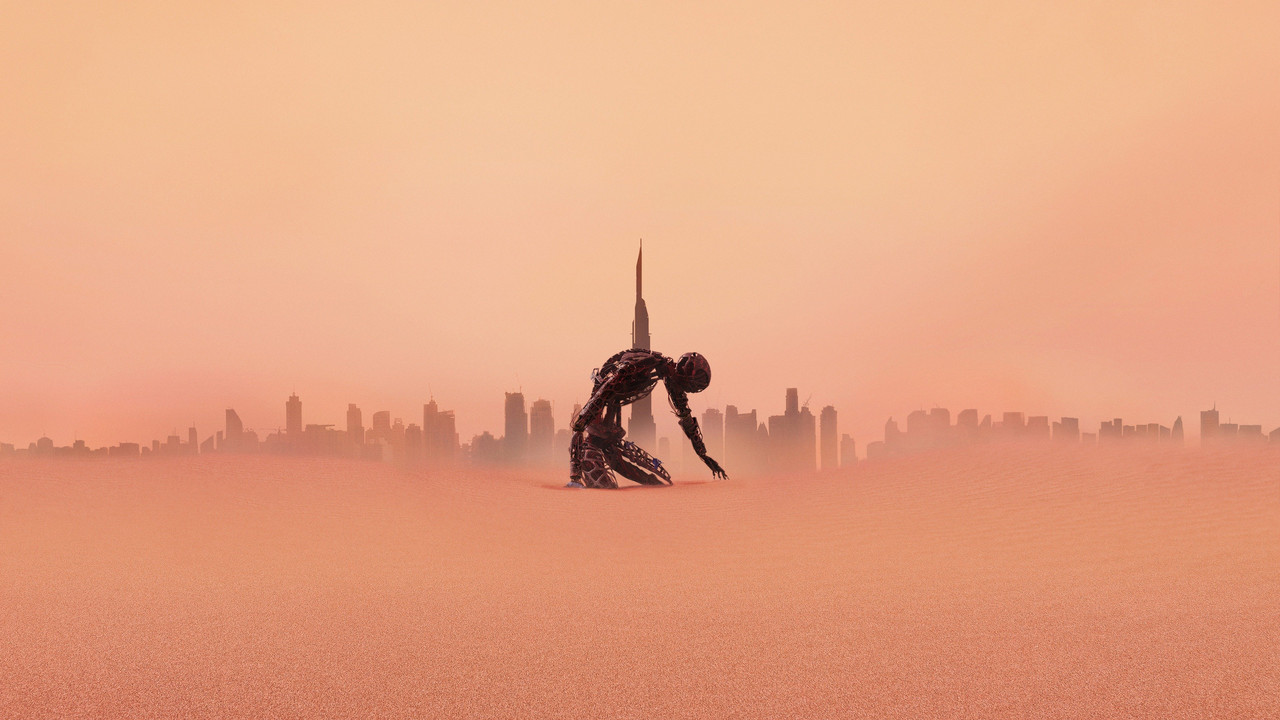
Shows like Black Mirror have explored the uncomfortable corners of AI and creativity for years, dramatizing scenarios where technology outpaces our ability to understand its impact. Westworld took the question further, asking what happens when artificial beings become indistinguishable from real ones — and what it means for the humans who made them. The new YouTube labels are not science fiction. They are a real-world acknowledgment that the future those shows warned about is already here, playing quietly in your recommended mix.
For music on screen, the stakes are just as real. Series like Nashville built entire dramatic arcs around the authenticity of musical performance. Films like Whiplash obsess over the physical, painful, irreplaceably human cost of musical excellence. Those stories resonate because they tap into something listeners intuitively understand: music is not just sound. It is effort, vulnerability, and the messy beautiful reality of a person trying to say something true. An AI can mimic the output. It cannot replicate the struggle.
The Bottom Line
YouTube’s AI music labels are a small step with enormous symbolic weight. They tell the music industry that listeners care about the difference between human and machine. They tell AI developers that transparency is not optional. And they tell every artist wondering whether their voice matters in the age of generative models that the answer still depends on the humans who choose to keep listening.
The next time a track hits your ears on YouTube Music, take a second to check the player page. If there is a label there, you now know what it means — and what it does not. The music will still play. The choice of how you feel about it is now, finally, yours.
© Telepisodes [EST 2008 - 2018] Disclaimer | Sitemap | About | Blog | Use of this website constitutes acceptance of Telepisodes' Terms of Service and Privacy Policy.