Watch Series Online

YouTube Doubles Monetization Requirements for New Creators
YouTube just made the climb to monetization noticeably steeper. In a blog post on Monday, the platform announced that new creators who want to start earning money from ads and subscriptions will need twice the watch hours or Shorts views they needed before — a change that officially takes effect on February 1, 2027. If you have been grinding out videos hoping to clear the Partner Program (YPP) threshold, this one matters to you directly.
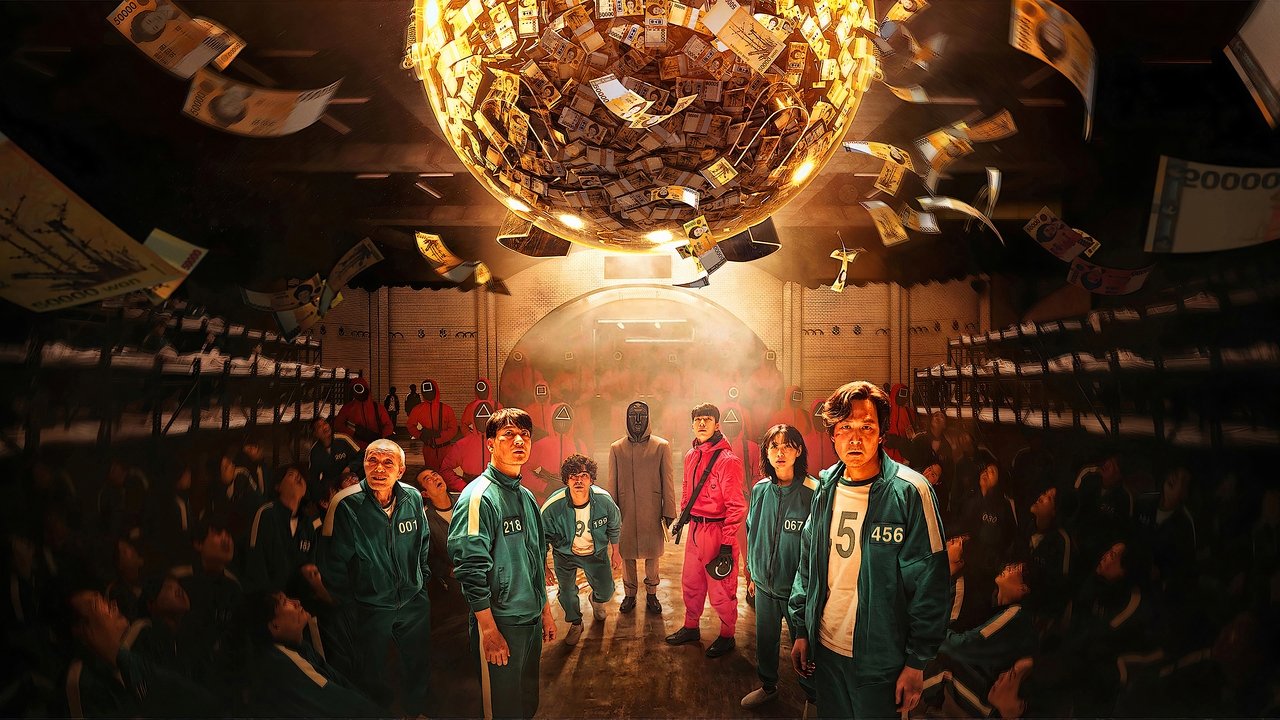
Table of Contents
The New Rules at a Glance
Here is what changes for anyone trying to enter YPP after February 1:
- Watch hours doubled. New creators now need 8,000 qualified watch hours over the past 365 days, up from 4,000.
- Shorts views doubled. The alternative track requires 20 million qualified Shorts views in the last 90 days, up from 10 million.
- Subscribers stay the same. The 1,000-subscriber baseline remains part of the equation for both paths.
In other words, YouTube kept the audience bar where it was and raised the engagement bar. That is a meaningful difference. A thousand subscribers is reachable for a tightly focused niche channel, but sustaining 8,000 hours of qualified watch time in a year — or generating 20 million Shorts views in a single quarter — demands a much more consistent content machine. One viral hit no longer gets you in the door on its own; you now have to prove you can hold attention over time.
Who Actually Feels This
The good news for anyone already inside the program: YouTube says the update will not touch existing YPP members. Their status, revenue shares and thresholds stay as they are. This change is aimed squarely at the pipeline — the people who have not crossed the line yet.
For new and growing channels, the math gets harder in ways that will shape real decisions. A channel starting from zero now faces a longer runway before its first payout, which pushes many creators toward higher output, longer videos, or a pivot to Shorts in the hope of a volume play. It also makes the “hobby until it pays” phase more expensive in time and effort — which is exactly the kind of pressure that convinces some talented people to quit before they ever qualify.
The Shorts Squeeze
Shorts creators got a double dose of pressure. Beyond the higher entry threshold, YouTube also adjusted how the Shorts Creators Pool works. Channels now have to maintain 10 million Shorts views over a rolling 90-day period to keep earning money from the Shorts pool. Dip below that line and you remain in the Partner Program and keep earning on long-form content, but your Shorts revenue pauses until you climb back over 10 million views again.
The practical effect: short-form creators now have to treat virality as a recurring obligation rather than a lucky break. In an attention economy where everyone is chasing the next hit — the same competitive energy that makes Squid Game such a resonant metaphor for modern hustle culture — the pool rules quietly push creators toward constant, relentless output. One quiet month can cost you a quarter of your Shorts income.
Why Now? The Creator Economy Is Tightening
YouTube frames the changes as keeping pace with its own growth. The company says the platform now sees more than 200 billion daily Shorts views and over a billion hours of watch time on TV every single day. With that scale comes a bigger revenue pool — but also, apparently, a stricter door policy.
It is also not happening in a vacuum. Over the weekend, X revamped its creator payouts to reward only original content. Earlier this year, Facebook rolled out a new monetization program aimed squarely at poaching popular creators from TikTok and YouTube. Every major platform is recalibrating what it pays and who gets paid, and YouTube’s move is the latest sign that the “anyone can earn” era of creator payouts is officially over. Even reaction and commentary channels that make their living breaking down the week’s biggest cultural moments — the kind of content built around Black Mirror‘s tech parables, for example — have to keep watching how platform policies shift underneath them.
What It Means for Viewers
If you mostly watch rather than create, the practical impact is smaller — but it is not zero. Higher thresholds usually mean fewer new monetized channels, which can subtly change what shows up in your feed as smaller creators either level up their output or step away. The content you love from up-and-coming channels may get more polished, more frequent, or — in the worst cases — disappear entirely.
There is a genuine upside buried in the announcement, too. YouTube is expanding its cheaper Premium Lite tier to every country where YouTube Premium is available. That is an ad-free option at a lower price point, with downloads and background playback included. Creators get a share of the subscription revenue — 55% for long-form creators and 45% for Shorts creators — and YouTube argues partners earn more per Premium subscriber than they do per ad viewer.
For the wider streaming world, the bigger story is YouTube’s growing presence on the living-room TV. A billion hours a day on TV screens means YouTube now competes head-to-head with the streamers — and the shows dominating that conversation, from reality juggernauts like Love is Blind and The Circle to event series like Stranger Things, are all fighting for the same slice of couch time.
What Should New Creators Do
The practical playbook for anyone still chasing the threshold: treat consistency as the whole game. Channels that post on a reliable schedule, keep average view duration up, and build a library that compounds over months are far more likely to cross 8,000 hours than channels chasing a single breakout. For Shorts-first creators, the 20-million-view entry bar is brutal, but the pool maintenance rule means the real skill is staying above 10 million views per quarter — which rewards formats that can be repeated, not one-offs.
The other lever is diversification. Every platform recalibrating its payouts at once means putting all your income in one basket is riskier than ever. Creators who treat YouTube as one channel of several — building email lists, merch lines, or audiences on other platforms — are the ones best positioned to absorb the next threshold hike when it comes.
The Bottom Line
For established creators, Monday’s news changes nothing. For everyone trying to break in, it is a blunt reminder that the bar keeps moving — and that YouTube wants creators who can sustain an audience, not just spike one. The doubling of the thresholds is a bet on consistency over luck, and it rewrites the early-career playbook for a generation of aspiring creators.
The February 1, 2027 effective date also gives the platform room to adjust; if the new thresholds prove too aggressive, YouTube has a long runway to refine them before they land. Either way, the direction is clear. Making money on YouTube is about to require more watch time, more Shorts views, and more consistency than ever — and the creators who treat it like a marathon rather than a sprint are the ones who will still be standing when the new rules kick in.
© Telepisodes [EST 2008 - 2018] Disclaimer | Sitemap | About | Blog | Use of this website constitutes acceptance of Telepisodes' Terms of Service and Privacy Policy.