Watch Series Online

Warner Bros. Discovery Sale: The $111 Billion Deal That Reshapes Hollywood
Table of Contents
The Biggest Deal in Hollywood History Just Closed — And It Changes Everything
After a year-long bidding war, regulatory battles, and a lawsuit from a dozen state attorneys general, the dust has finally settled. Paramount Skydance — the brainchild of David Ellison — has officially closed its $111 billion acquisition of Warner Bros. Discovery. The deal, which finalized on October 6, 2026, creates a new entertainment giant simply called Skydance, trading on the New York Stock Exchange under the ticker SKYD. This is not just a merger. It is a seismic shift in the global entertainment landscape, and it will shape what you watch for the next decade.
The combined company now controls an almost absurd portfolio of intellectual property. HBO, CNN, CBS, Warner Bros. Pictures, Paramount Pictures, HBO Max, Paramount+, and a sprawling cable network empire that includes HGTV, Food Network, TBS, and Comedy Central. Annual revenue is projected at nearly $70 billion. To put that in perspective, that is more than Disney and Netflix each pull in individually. The last time the industry saw a consolidation of this scale was the Disney-Fox deal in 2019 — and that one looked modest by comparison.
How We Got Here: A Year of Drama
The road to this moment was anything but smooth. David Ellison, the 43-year-old tech scion who founded Skydance, spent more than a year chasing Warner Bros. Discovery. Netflix entered the fray as a competing bidder, sparking a bidding war that drove the price higher. But in a surprise eleventh-hour move in late February, Paramount upped its offer to $31 per share for all of Warner Bros. Discovery, and Netflix bowed out.
Warner Bros. Discovery shareholders approved the deal on April 23, 2026. The U.S. Department of Justice gave its blessing on June 12. But then came the real fight. On July 13, a coalition of 12 state attorneys general filed an antitrust lawsuit to block the merger, arguing that combining two of Hollywood’s biggest studios would harm competition and consumers. A federal judge paused the deal.
For months, the fate of the merger hung in the balance. Then, in late September, a settlement was reached. California Attorney General Rob Bonta and Ellison agreed to a five-year, court-enforceable deal that cleared the final path. The terms were significant: Skydance must keep both the Warner Bros. Burbank lot and the Paramount Melrose Avenue lot operational for five years, release at least 30 films per year in theaters (rising to 32 per year after the first two years), and establish an editorial independence panel for CNN and CBS News. If Skydance fails to meet the theatrical release pledge, it must divest Miramax. If it fails to separately negotiate basic channel agreements, it must divest BET, VH1, Comedy Central, Smithsonian, Destination America, and Science.
The Money Behind the Monster
The financial architecture of this deal is staggering. Beyond the $111 billion purchase price, Paramount is assuming approximately $33 billion in Warner Bros. Discovery debt. The transaction is backed by a $54 billion debt commitment from Bank of America, Merrill Lynch, Citi, and Apollo Global Management, plus $45.7 billion in equity from Larry Ellison — David’s father and the co-founder of Oracle.
Gulf sovereign wealth funds from Saudi Arabia, Qatar, and the Abu Dhabi contributed $24 billion in equity, leaving the combined company nearly half foreign-owned, though without voting shares. This foreign investment has raised eyebrows in Washington, but it was enough to get the deal across the finish line.
Skydance has said it will find $6 billion in cost cuts over three years. That number has already made Warner Bros. employees nervous — and given the history of media mergers, those cuts will likely fall hardest on the Warner side of the ledger. When Discovery acquired WarnerMedia in 2022, the result was thousands of layoffs, canceled projects, and a palpable sense of institutional trauma. The people who lived through that are bracing for a repeat.
What This Means for What You Watch
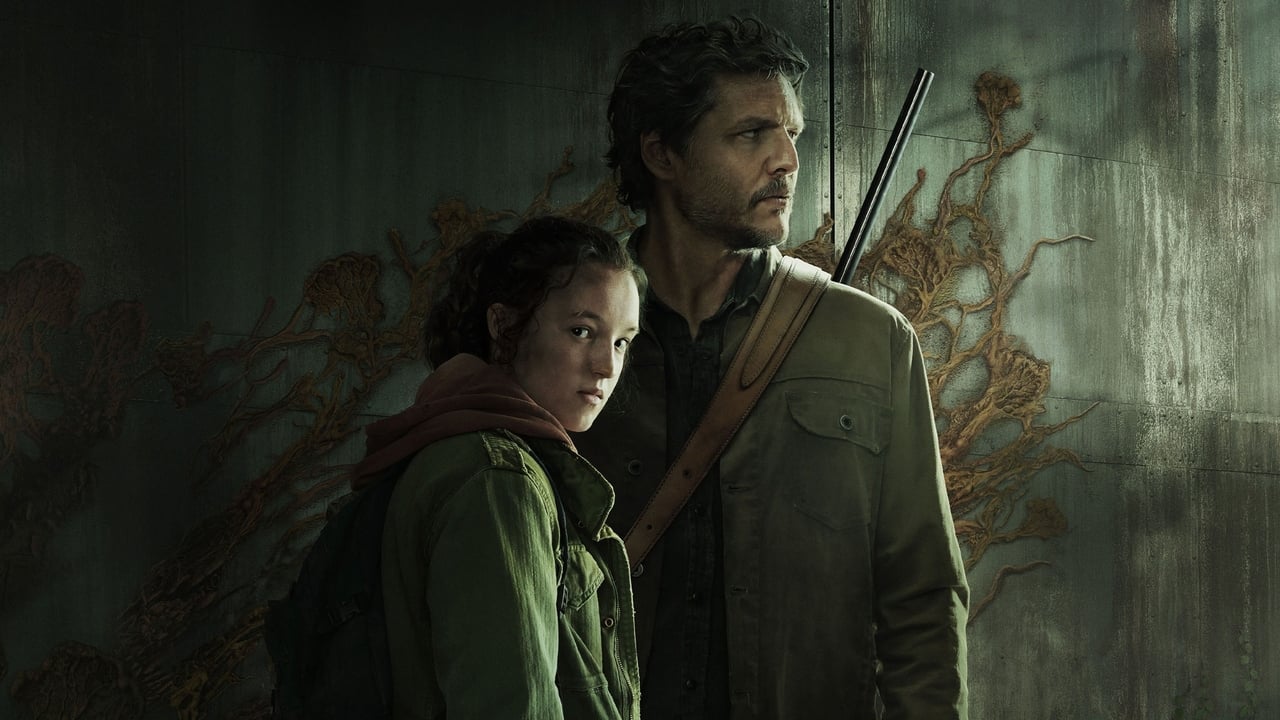
The practical implications for viewers are enormous. HBO — the home of House of the Dragon, The Last of Us, and Succession — now sits under the same corporate roof as Paramount+, CBS, and the Paramount film library. The Godfather, Top Gun, and the Star Trek franchise are now siblings with Batman, Harry Potter, and the DC universe. The combined film slate is unprecedented.
On the streaming side, the question is whether Skydance will merge HBO Max and Paramount+ into a single super-platform or keep them separate. Industry watchers are split. A combined service would give Netflix and Disney+ a genuine third competitor with a deep library. But merging two platforms is a technical and branding nightmare, and the regulatory settlement requires Skydance to negotiate basic channel agreements separately for Paramount and Warner Bros. — a provision that suggests the government wants to preserve competition between the two.
For fans of prestige television, the concern is real. HBO built its brand on creative freedom and long leashes for showrunners. Paramount’s approach has historically been more corporate. If the Skydance culture — which is David Ellison’s culture — imposes itself on HBO, the shows that defined the network could change in ways that are hard to predict. On the other hand, HBO’s budget constraints under Discovery were already a source of anxiety. A cash-rich parent might actually give creators more room to work.
The Competitive Landscape
This deal reshuffles the entire entertainment chessboard. Netflix, which lost the bidding war for Warner Bros. Discovery, is now the only major independent streaming platform without a legacy studio attached. Amazon has MGM. Apple has its growing originals slate. Disney has its empire. And now Skydance has a portfolio that rivals any of them.
The Stranger Things and Ted Lasso era of streaming — where a handful of platforms competed for subscribers with exclusive content — is giving way to a new phase. The next battle will be about bundling, theatrical windows, and whether a combined Skydance can leverage its cable networks (CNN, HGTV, Food Network) to create a bundled offering that no one else can match.
There is also the question of what happens to Warner Bros. Discovery’s gaming division, which holds the Mortal Kombat, Game of Thrones, and Harry Potter game franchises. Skydance has not publicly outlined its gaming strategy, but the combined IP library is a goldmine for interactive entertainment.
The Road Ahead
David Ellison now controls one of the most powerful entertainment companies in history. His co-CEO is Ynon Kreiz, the former CEO of Mattel who turned around the Barbie brand. Together, they face the monumental task of integrating two massive organizations with very different cultures, managing $87 billion in combined debt, and delivering on ambitious promises to regulators and shareholders.
The $6 billion cost-cutting target alone will require painful decisions. Which divisions get trimmed? Which executives leave? Which projects get canceled? The Warner Bros. lot in Burbank and the Paramount lot on Melrose Avenue are safe for five years, but the people who work on them are not guaranteed the same protection.
What is certain is that the entertainment industry has entered a new era. The age of the independent studio is over. The age of the mega-conglomerate is here. And whether you are a casual viewer or a hardcore cinephile, the shows and movies you watch in the coming years will be shaped by the decisions made in the boardrooms of Skydance.
The next chapter of Hollywood starts now. Buckle up.
© Telepisodes [EST 2008 - 2018] Disclaimer | Sitemap | About | Blog | Use of this website constitutes acceptance of Telepisodes' Terms of Service and Privacy Policy.