Watch Series Online

Venice 2026 Winners: ‘Woman Unknown’ Takes the Golden Lion
Venice wrapped up its 83rd edition on Saturday night with a Golden Lion that has awards-watchers leaning forward. Danish director May El-Toukhy’s Woman Unknown took the top prize, besting a Main Competition that — true to form for this famously politicized festival — sparked a record-breaking ovation, a few pointed acceptance speeches, and more than one reminder that these films are about to become the ones everyone mentions between now and Oscar night.
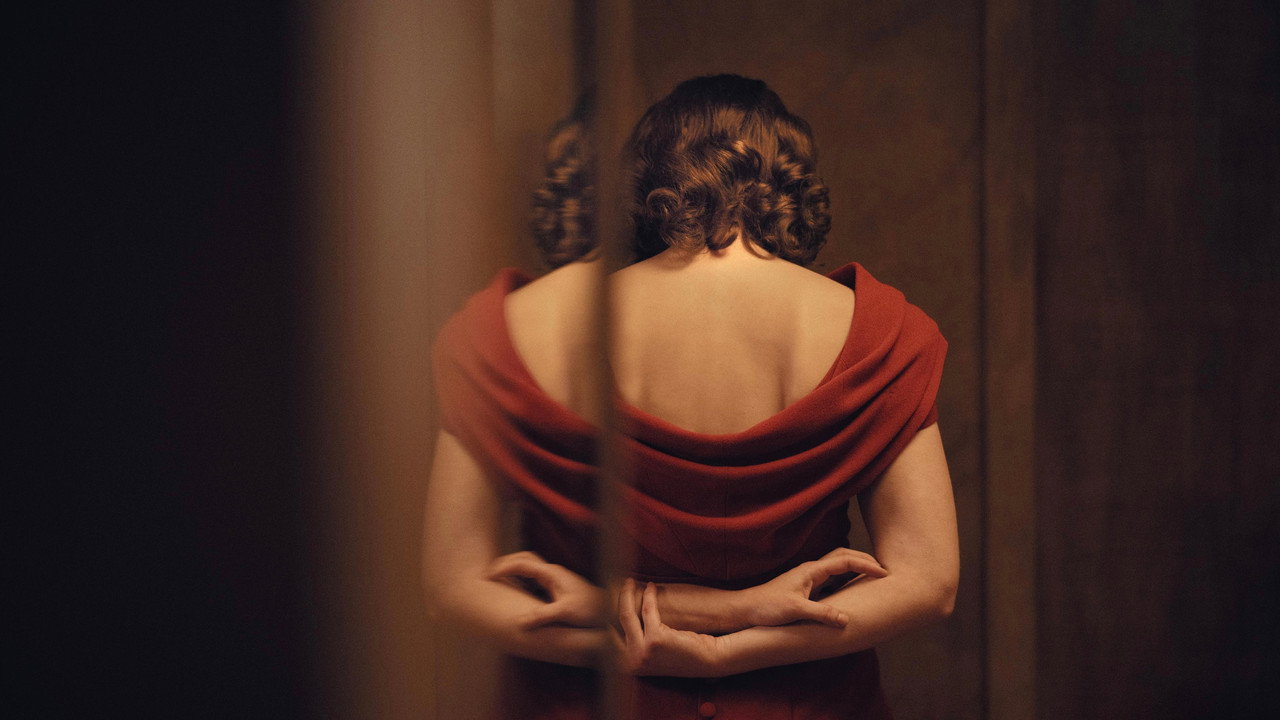
The ceremony, hosted by Italian actors Greta Scarano and Nicolas Maupas, handed out prizes across the main lineup, the Orizzonti sidebar, Venice Classics and the Immersive competition. Here is everything worth knowing from a weekend that ended an edition full of talking points.
Table of Contents
The Golden Lion: Woman Unknown
El-Toukhy, one of just two female directors in the competition this year, won Best Film for Woman Unknown, a post-war psychological thriller set in Denmark in the summer of 1945. The film stars Mathilde Arcel as Marie, a nanny and housemaid about to marry her wealthy, older, widowed employer. As the country celebrates its liberation, a darker reckoning plays out: women who fraternized with German soldiers during the occupation are being tracked down and publicly shamed, and Marie’s own past threatens to catch up with her.
“The film tells the story of invisible women,” El-Toukhy said on accepting the prize. “Women who go unseen and unheard. My thanks go to my amazing cast for the passion you poured into portraying these characters.” Arcel had already won the Volpi Cup for Best Actress minutes earlier, making Woman Unknown a rare double-prize winner. That both the film and its lead performance connected with Maggie Gyllenhaal’s jury is a strong signal the picture has genuine momentum behind it.
El-Toukhy knows a thing or two about unsettled female interiors — her earlier Danish hit Queen of Hearts cut just as deep on desire and transgression. Woman Unknown looks set to widen her profile internationally just as the festival season’s biggest stories start to converge.
The rest of the Main Competition
The Grand Jury Prize went to Lee Chang-Dong’s Possible Love, the Korean auteur’s return following the masterful Burning. The silver lion is another reminder why Lee remains one of the festival circuit’s most trusted names — a long, patient drama about a laid-off worker and his wife who cross paths with a documentary filmmaker and confront their hidden desires.
Ilya Khrzhanovsky took Best Director for DAU, a sprawling, 195-minute immersion into the physicists who built the Soviet atomic bomb. It is a staggering formal undertaking that divided and wowed the Sala Grande in equal measure.
Perhaps the night’s most talked-about moment belonged to the documentary Naza, which won the Special Jury Prize after reportedly drawing a record-breaking 25-minute standing ovation. The film gathers secret conversations on the rooftops of Tel Aviv at night, with people describing how Israel’s campaign against Palestinian civilians in Gaza was designed and operated. It is one of the most politically charged entries of a politically charged year, and its reception in Venice carried real weight.
Best Actor went to John Malkovich for Wild Horse Nine, a CIA caper set on Easter Island on the eve of the 1973 coup. Currently on set, Malkovich skipped the ceremony and sent a video message instead — a win that Deadline flagged as fuel for his Oscar hopes. It’s the sort of performance that plays beautifully in a year when the Best Actor race looks wide open. If you love what Malkovich does with a script, Being John Malkovich remains the most gloriously bizarre showcase of his range.
Elsewhere in the main lineup, Best Screenplay went to A Good Little Soldier (Stéphane Brizé, Coralie Amédéo and Olivier Gorce), and the Marcello Mastroianni Award for best new young performer was claimed by Malou Khebizi for A Place to Heal. The Lion of the Future for a debut film went to Cameroonian-French director Auguste Bernard Kouemo Yanghu for House of the Wind — a gentle story about an 80-year-old woman living alone in Yaoundé who bonds with a young woman from her neighborhood.
Orizzonti and the sidebars
In the Orizzonti section, Best Film went to Ann Sirot and Raphaël Balboni’s Diane in the Loop, about a young woman who decides to avenge the rape of her mother years before she was born. Jacqueline Lentzou won Best Director for A Day in the Life of Jo: Chapter Phaedra.
Two performances stood out. Laleh Marzban won Best Actress for her hijab-free turn in the Iranian drama Falling House — a young woman whose hopes of a modeling career abroad are crushed by a tyrannical father — and she used the moment to dedicate her prize to the women of Iran. “I want to mention the people of my homeland, Iran, who are living under the greatest pressure ever,” she said in accepting. “I would like to dedicate this award to the women of my country, who have paid the highest price for even the smallest form of freedom.”
Riccardo Scamarcio took Best Actor for The Children of the Monkey, playing a devoted father of a disabled son who grows dangerously close to his teenage nephew; the same film also won Best Screenplay for Tommaso Landucci and Damiano Femfert. The Orizzonti short-film prize went to Quelques instants de bonheur, directed by Shaden Safieddine Tazi.
Lifetime honors and the highlights that lingered
George Clooney and Ellen Burstyn each received a Golden Lion for Lifetime Achievement. Clooney, who has traveled a long road from television stardom to the director’s chair, remains one of the few movie stars the festival genuinely adores — the “Leading Man” doc about his enduring appeal makes the case. Burstyn, meanwhile, is the sort of legend whose filmography simply speaks — Requiem for a Dream remains one of the most harrowing American films ever made.
Among the other memorable arrivals, Penélope Cruz and Javier Bardem — the pair who made Vicky Cristina Barcelona sing — earned a warm reception in Bunker, while Venice Classics crowned the restoration of Florestano Vancini’s Long Night in ’43. In the Immersive section, The Pigeon Ring took the grand prize, with Out of the Ashes and Pirate at Sea also honored.
Why this year matters
Venice is traditionally the first loud signal of what Oscar season will look like, and this edition had plenty of it. A female-directed Golden Lion winner with an acclaimed lead performance, a Malkovich showcase generating genuine Best Actor chatter, and a competition defined by urgent political filmmaking — those are exactly the ingredients that tend to resurface in the Academy conversation months later.
The timing also lands alongside Christopher Nolan’s extraordinary year. His The Odyssey just toppled Jurassic World to become Universal’s highest-grossing film ever at a reported $1.68 billion, keeping him in the headspace of best picture hopefuls even before festival season settles. That kind of blockbuster-plus-prestige alignment is rare, and it raises the stakes for every film that walked out of Venice with gold.
For audiences, the practical takeaway is simpler: start tracking these titles now. The Golden Lion winner historically lands in theaters or on streaming within months, and the Orizzonti discoveries tend to become festival-circuit favorites. Whether you chase the arthouse drama of the moment or wait for the ones with studio muscle behind them, Venice has once again told us which films to keep on our radar — and the smart money says several of them will still matter when the next awards cycle peaks.
© Telepisodes [EST 2008 - 2018] Disclaimer | Sitemap | About | Blog | Use of this website constitutes acceptance of Telepisodes' Terms of Service and Privacy Policy.