Watch Series Online

Toy Story 5: Pixar’s Biggest Gamble Arrives June 19 — Can Woody Survive the Age of Tablets?
You’ve got a friend in Pixar — and in June 2026, that friend is back with its biggest adventure yet. Toy Story 5 arrives in theaters on June 19, and if early tracking numbers are any indication, Woody, Buzz, and the rest of Andy’s — sorry, Bonnie’s — toys are about to post the franchise’s biggest opening weekend ever. After a 2026 packed with horror breakouts, superhero epics, and YouTube-to-theater success stories, the summer’s most reliable crowd-pleaser might just come from a group of talking playthings who’ve been tugging at our heartstrings for more than three decades.
Trailer: Pixar (YouTube)
Let’s address the question that’s followed every Toy Story sequel since 2010: does this franchise really need another chapter? Toy Story 3 gave us one of the most perfect endings in animated cinema. Toy Story 4 somehow found a way to deepen that ending without undermining it. And now Pixar is back with a fifth installment that, by all early accounts, has found a fresh and surprisingly contemporary direction — one that pits our favorite toys against their most formidable adversary yet: a tablet computer. Yes, really. And somehow, it works.
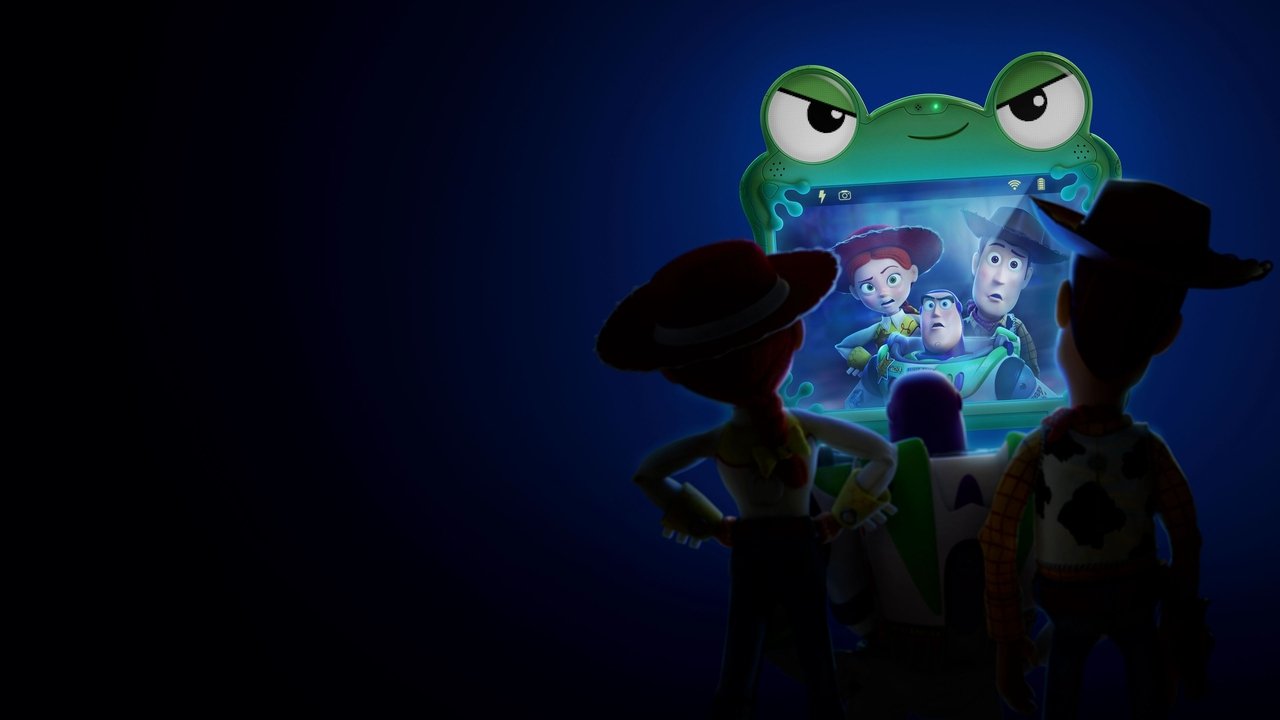
The Plot: When Screens Replace Imagination
Here’s the setup, and it’s so perfectly Pixar that you can practically see the story team high-fiving each other when they cracked it: Bonnie receives a Lilypad tablet as a birthday gift, and she becomes completely obsessed. Suddenly, Woody, Buzz, Jessie, and the rest of the gang find themselves in a crisis they’ve never faced before — not being lost, not being outgrown, but being rendered obsolete by a device that offers infinite entertainment at the tap of a screen.
The toys’ jobs — being played with, being loved, being central to a child’s imagination — become exponentially harder when Bonnie can just swipe to the next game, the next video, the next thing. It’s a conflict that will resonate deeply with parents who’ve watched their kids gravitate toward screens, and with anyone who remembers what it felt like to pour hours of imagination into a pile of plastic figures on the living room floor.
Directed by Andrew Stanton — the Pixar veteran behind Finding Nemo, WALL-E, and the original Toy Story co-writing team — the film taps into something genuinely emotional beneath its high-concept premise. What does it mean to be needed in a world that’s moving on without you? That’s a question as relevant to a cowboy doll as it is to anyone who’s ever felt like they’re being replaced by something shinier and newer.
The Voices We Love — and Some Surprising Additions
The core voice cast returns, and their chemistry remains the secret weapon that’s kept this franchise aloft across five films and 31 years. Tom Hanks continues to find new notes in Woody’s earnest leadership, a character who’s evolved from a jealous alpha toy into something closer to a wise, slightly weary elder statesman of the toy box. Tim Allen’s Buzz Lightyear has completed his journey from delusional space ranger to self-aware action figure, and his dry comic timing is as sharp as ever.
Joan Cusack’s Jessie brings her boundless energy and occasional existential dread (it’s a Pixar tradition at this point). But the supporting cast additions are where Toy Story 5 really surprises. Greta Lee (Past Lives) joins the ensemble as a voice that Pixar is keeping under wraps — speculation ranges from a new toy character to a digital assistant that lives inside the Lilypad itself. Conan O’Brien brings his unmistakable voice to what’s been described as a “pivotal new character,” and Craig Robinson (The Office) rounds out the newcomers in a role that the trailer suggests is going to be a major fan favorite.
The Technology Behind the Magic
Pixar has always used the Toy Story franchise as a showcase for its evolving animation technology, and Toy Story 5 is no exception. The film represents the studio’s most advanced rendering work to date — the textures on Woody’s pull-string, the reflective surfaces of Buzz’s helmet, the way fabric wrinkles and light plays across different materials. It’s the kind of technical achievement that you notice without consciously noticing, because the animation has become so seamless that you simply accept these plastic figures as living, breathing characters.
The Lilypad tablet itself is a triumph of animated design — a sleek, glowing device that manages to feel both alluring and vaguely menacing, depending on whose perspective the scene is taking. The digital world inside the tablet, glimpsed briefly in the trailer, suggests that a significant portion of the film may take place in a stylized virtual space — a visual departure that could give Toy Story 5 a look distinct from any previous entry in the series.
Box Office Projections: A Record-Breaking Summer Ahead?
Industry tracking numbers suggest Toy Story 5 is poised to deliver the biggest opening weekend in Pixar history and potentially the biggest animated opening of all time. The franchise’s built-in multi-generational audience — parents who grew up with the original film in 1995, now bringing their own kids — creates a demographic reach that few other properties can match.
The June 19 release date positions the film perfectly for summer vacation crowds, with minimal direct competition in the family space during its opening frame. If the early tracking holds, analysts project an opening weekend north of $120 million domestically, which would eclipse the $118 million opening of Toy Story 4 in 2019 and place it among the biggest openings of 2026.
But box office records aren’t really what the Toy Story franchise is about, and that’s precisely why it’s endured. These films work because they’re about something — loyalty, purpose, the passage of time, the ache of being left behind and the joy of being found again. If Toy Story 5 can land that emotional punch one more time, the numbers will take care of themselves.
The Legacy: 31 Years and Counting
Think about this for a moment: the original Toy Story was released in 1995, when the idea of a fully computer-animated feature film was considered either impossible or insane. It revolutionized the industry, launched a studio that would become synonymous with quality storytelling, and introduced characters who would become as iconic as anything in the Disney canon. Thirty-one years later, those same characters are still finding new stories to tell — and audiences are still showing up to hear them.
Very few franchises can claim that kind of longevity without a hard reboot or a “dark and gritty” reinvention. Toy Story never needed one. It simply kept being itself: funny, heartfelt, visually groundbreaking, and unafraid to make you cry in a movie theater full of strangers. Toy Story 5 looks poised to continue that tradition.
Related Articles
- Summer 2026 Movie Preview: 8 Must-See Films Coming to Theaters
- Backrooms Shatters Box Office Records — A24 Horror Opens to $81M
- What’s New on Netflix in June 2026 — The 10 Biggest Movies and Shows Coming This Month
- Golden Trailer Awards 2026: Project Hail Mary Dominates With 5 Wins
Sources: Pixar, The Hollywood Reporter, Variety, TMDB, IMDb
Which Toy Story film made you cry the hardest — and do you think number five is going to get you again? Let’s hear your emotional damage in the comments.
© Telepisodes [EST 2008 - 2018] Disclaimer | Sitemap | About | Blog | Use of this website constitutes acceptance of Telepisodes' Terms of Service and Privacy Policy.