Watch Series Online

The Boys Series Finale Divides Fans — Did ‘Blood and Bone’ Stick the Landing or Fumble the Ending?
The Boys just ended, and nobody can agree on whether it stuck the landing. After seven years, five seasons, and 40 episodes of ultraviolent superhero satire, Prime Video’s flagship series wrapped with “Blood and Bone” — and the internet is split. Some critics are calling it a fitting conclusion to television’s most audacious deconstruction of celebrity culture. Others say the finale fumbled the one thing that mattered: giving us a satisfying ending. Sound familiar? It’s the same debate that’s followed every major series finale since The Sopranos, and it’s not going away anytime soon.
Trailer: Prime Video (YouTube)
Whether you’re mourning the end of the most unhinged superhero show ever made or celebrating its defiant refusal to give us a clean happy ending, one thing’s certain: The Boys changed what we expect from comic book television. Here’s what went down, why people are so divided, and what comes next for the franchise.
Table of Contents
What Happened in The Boys Series Finale?
“Blood and Bone” runs longer than the show’s usual 60-minute format — clocking in at nearly 90 minutes — and showrunner Eric Kripke made every second count. The episode delivers on the promise it’s been building since Season 1: the final confrontation between Homelander (Antony Starr) and Billy Butcher (Karl Urban).
The fight itself is brutal, well-choreographed, and exactly as messy as you’d expect from two men who’ve spent seven years trying to kill each other. But it’s what happens after that’s got people talking. Butcher doesn’t survive. Hughie (Jack Quaid) is the one who delivers the final blow to Homelander, and in doing so, he becomes the moral center the show always needed but rarely showed.
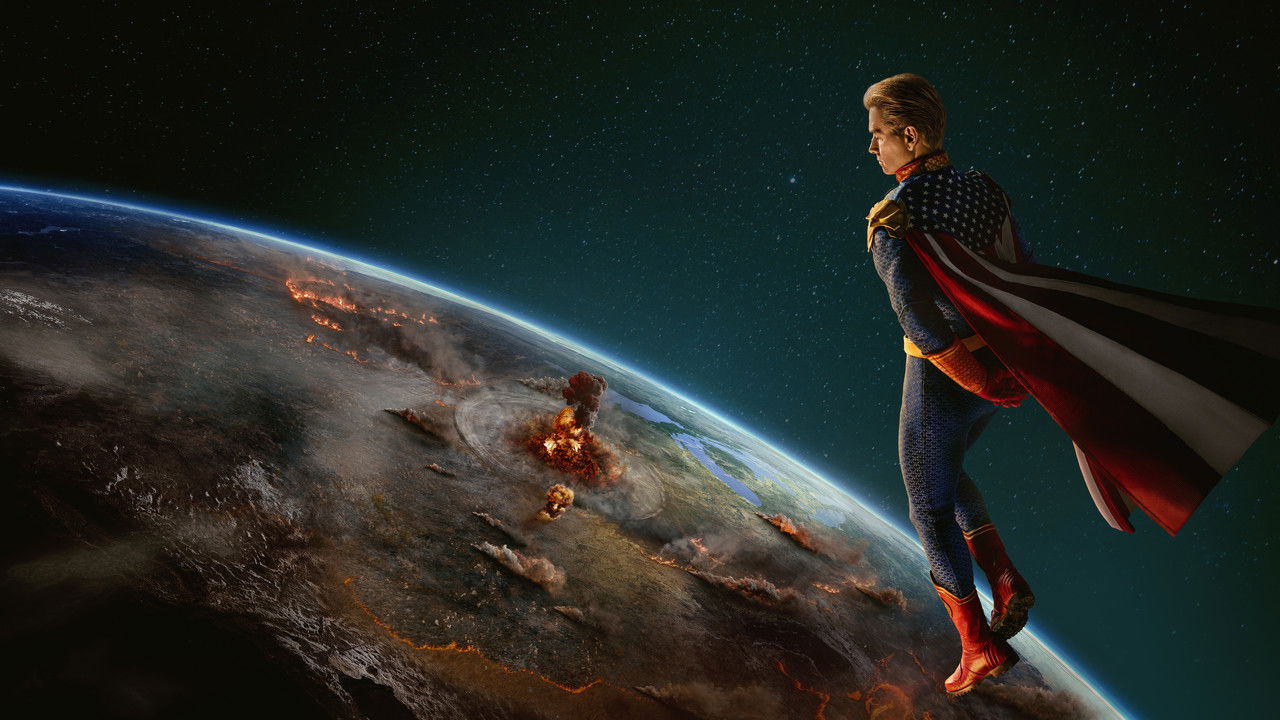
Homelander’s death scene is where the episode really lands. After seven seasons of playing the most terrifying narcissist on television, Antony Starr gets to show us the terrified, childish version underneath. It’s almost pathetic — and that’s the point. The man who styled himself as a god dies alone, scared, and utterly human.
Why the Reactions Are So Divided
The backlash isn’t about the plot — it’s about the tone. Forbes called the finale “a crushing disappointment,” arguing that the show’s signature satirical edge got lost in a sea of earnest emotion. Winter Is Coming, on the other hand, praised the episode for having the courage to kill off major characters and avoid the “everyone survives” trap that’s plagued other recent finales.
Here’s the thing: The Boys was never going to give us a clean victory. This is a show that built its identity on moral ambiguity, institutional corruption, and the idea that power always corrupts. A happy ending where the good guys win and the bad guys lose would have betrayed everything the series stood for. But that doesn’t mean it had to feel this unsatisfying.
The real criticism isn’t that people died — it’s that the show spent so much time setting up its endgame that it forgot to make the journey feel earned. Some plot threads got wrapped up too quickly. Others felt rushed. And for a series that was always more about the ride than the destination, the destination mattered more than it should have.
What Comes Next: Vought Rising and the Franchise Future
Even as The Boys ends, the universe is expanding. Prime Video has already announced Vought Rising, a prequel series that brings back Jensen Ackles as Soldier Boy and explores the origins of Vought International. The teaser trailer dropped shortly after the finale aired, and it’s clear the franchise isn’t done with us yet.
There’s also The Boys Presents: Diabolical, the animated anthology that proved the concept could work in shorter form. Whether either of these spinoffs can capture the lightning in a bottle that the original series had remains to be seen. But given how much money The Boys has made for Prime Video, you can bet they’ll keep trying.
The Legacy: What The Boys Changed About Superhero Television
Before The Boys, superhero TV was either earnest (Arrow, The Flash) or self-aware but safe (Jessica Jones, Daredevil). The Boys blew that up. It proved that you could make a superhero show that was genuinely transgressive — not just in its violence or language, but in its willingness to ask uncomfortable questions about celebrity, power, and complicity.
Homelander isn’t just a villain — he’s a mirror. The show forced us to confront the fact that we root for celebrities even when they’re terrible people, that we consume their content uncritically, and that the systems that elevate them are designed to protect them from consequences. That’s not a message every superhero show is willing to deliver.
Whether you loved the ending or hated it, The Boys will be remembered as the series that asked what happens when the good guys aren’t actually good — and had the courage to give us an answer we didn’t want to hear.
Final Thoughts: Was It Worth the Ride?
Seven years is a long time to invest in any TV show. The Boys asked us to care about deeply flawed characters, to laugh at things that shouldn’t be funny, and to sit with the discomfort of knowing that the systems we rely on are often as corrupt as the villains they’re supposed to fight.
Not every season was perfect. Season 3 stumbled a bit, and Season 5 had pacing issues that even the extended finale couldn’t fully fix. But for every misstep, there were moments of genuine brilliance — episodes that redefined what superhero storytelling could be.
The ending isn’t perfect. But it’s honest. And in a genre that’s spent the last decade giving us safe, predictable conclusions, honest might be exactly what we needed.
Sources: Winter Is Coming, Forbes, TVLine, IGN, Prime Video
What did you think of The Boys finale? Did it stick the landing, or did it fumble the ending? Drop your take in the comments.
© Telepisodes [EST 2008 - 2018] Disclaimer | Sitemap | About | Blog | Use of this website constitutes acceptance of Telepisodes' Terms of Service and Privacy Policy.