Watch Series Online

Taylor Sheridan Just Told Hollywood Exactly What He Thinks — And He’s Not Wrong
Taylor Sheridan doesn’t need your approval. He doesn’t need an Emmy. And he definitely doesn’t need the advice of studio executives who, in his words, know “nothing” about story. The most prolific hitmaker in television just went on Bill Simmons’ podcast to promote his new book — How Not to Die in Prison — and somewhere between discussing prison survival tips and his 666-acre Wyoming ranch, he unloaded on the entire Hollywood system with the kind of unfiltered candor that doesn’t exist anymore.
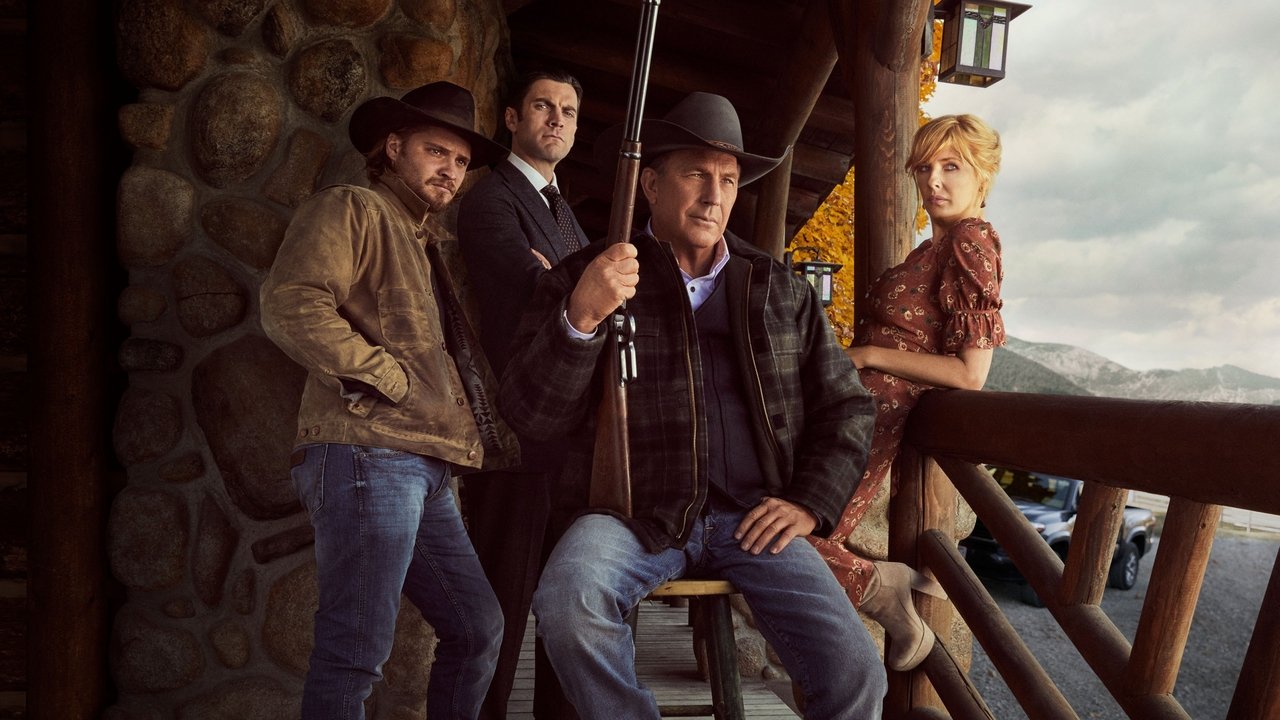
“The critics and me — I don’t care what they think, and it annoys the s— out of them that I don’t care,” Sheridan said. “I’ll be the first to tell you that there are things that I do that rage-bait them a bit, and this is one of them. F— ’em, honestly.”
It’s the kind of quote that PR teams spend careers preventing. Sheridan just said it into a microphone, shrugged, and moved on. And here’s the thing — he can afford to. Nobody in television has a stronger hand to play right now.
Table of Contents
The Empire Sheridan Built
Let’s do the math. In less than a decade, Taylor Sheridan has built what is arguably the most dominant single-creator television empire since Shonda Rhimes. Yellowstone became a cultural phenomenon, routinely drawing cable ratings that network shows would kill for. Then came 1883, then 1923, then Tulsa King with Sylvester Stallone, Lioness with Zoe Saldaña, Mayor of Kingstown with Jeremy Renner, Landman with Billy Bob Thornton, and most recently Dutton Ranch, the direct Yellowstone sequel series that Paramount+ just called its biggest original series launch ever.
On the same podcast where he was trashing the system, Sheridan was also celebrating the finale week of Dutton Ranch, while The Madison — starring Michelle Pfeiffer — and Landman season two are actively contending on the Emmy ballot. His shows are everywhere, on multiple platforms, and audiences can’t get enough.
The secret, if you believe Sheridan, is simple: he tells the stories he wants to tell, exactly how he wants to tell them. “This is not a democracy,” he told Paramount executives when he first signed his deal. “There’s no committee.”
Why His Attack on Execs Stings
Sheridan’s beef with studio executives isn’t new — he’s been saying versions of this for years — but his Bill Simmons interview sharpened the blade. He singled out the post-Robert Evans era at Paramount, arguing that after the legendary producer who shepherded The Godfather and Chinatown left the studio, the executives who followed knew “nothing” about what makes a story work.
Coming from almost anyone else, this would sound like sour grapes. Coming from Sheridan, it lands differently. He has earned the right to say it. The man has never had a show cancelled. He has never delivered a ratings disappointment. His track record is so clean that when he tells a room full of executives to get out of his way, they actually do it.
The subtext here is sharper than the headline. Sheridan signed a blockbuster film and TV deal with NBCUniversal last year — movies starting in 2026, television in 2029 once his Paramount contract expires. So when he’s trashing studio executives on a podcast during the same week his Paramount shows are dominating, there’s a clear message: I’m already thinking about the next chapter. You need me more than I need you.
The Critics, The Emmys, and the Rage Bait
Sheridan’s relationship with TV critics has been adversarial from the start. Yellowstone was never a critical darling — the reviews ranged from lukewarm to outright dismissive. The show was called melodramatic, heavy-handed, soapy. Audiences did not care. They showed up in the millions, week after week, for five seasons.
When Simmons asked about awards, Sheridan was blunt: “I’m not trying to win Emmys.” That sounds like defensiveness, but it’s also a coherent creative philosophy. Sheridan makes shows for the audience that actually watches television — not the audience that writes about it. It’s populist filmmaking in an industry that increasingly confuses prestige with quality.
And yes, he admits he baits the critics on purpose. Demi Moore’s casting in Landman season one? Rage bait, by his own admission. A calculated choice designed to provoke the exact critical reaction it received. Sheridan knows exactly what he’s doing, and he enjoys it.
The thing is, it’s working. Kevin Costner won a Golden Globe for Yellowstone. Michelle Pfeiffer is generating serious Emmy buzz for The Madison. The awards keep showing up whether Sheridan wants them or not. The populist strategy — make shows people actually watch, instead of shows critics want to praise — has proven itself commercially beyond any reasonable doubt.
The Wyoming Factor
Sheridan now lives full-time on his ranch in Wyoming. He’s done with Los Angeles. “It’s built on sand,” he said — a line that works both literally (earthquake country) and metaphorically (an industry built on shifting, unstable ground).
This isn’t just lifestyle branding. Sheridan’s physical distance from Hollywood is central to his creative identity and his business leverage. He runs a writing room from a ranch. He rides horses between script drafts. He has constructed a life and a career that don’t require him to play the industry game — no lunch meetings at the Ivy, no awards season campaigning, no studio notes sessions in Burbank conference rooms.
When you’re the guy who delivered the biggest cable drama of the decade, you get to make those choices. When you follow it up with six more hits, the leverage becomes almost comical. Paramount can’t call him into the office because there is no office — just a ranch, a horse, and a guy who’s already signed his next deal somewhere else.
What This Means for the Industry
Sheridan’s unabashed hostility toward the traditional Hollywood power structure isn’t just entertaining — it’s a bellwether. The streaming era has fundamentally shifted where the power lies in television, and creators who can consistently deliver hits have more leverage than ever before.
The old model — studio develops, network greenlights, showrunner executes — is dying. The new model looks a lot more like Taylor Sheridan: an auteur who owns his IP, controls his creative output, and moves between platforms on his own terms. Netflix, Amazon, Apple — they’re all competing for the next Sheridan, the creator-driven universe that brings audiences with it wherever it goes.
Sheridan’s pivot to NBCUniversal is the clearest example. He spent years building the Paramount TV empire, and now he’s taking that audience relationship to a new platform — on a deal structured to give him creative freedom that traditional studio deals don’t offer. It’s the playbook every major showrunner will be studying for the next decade.
The critics can keep their Emmys. Taylor Sheridan will keep his ranch, his horses, his audience of millions, and his policy of telling studio executives exactly what he thinks of their story notes. He’s earned it.
© Telepisodes [EST 2008 - 2018] Disclaimer | Sitemap | About | Blog | Use of this website constitutes acceptance of Telepisodes' Terms of Service and Privacy Policy.