Watch Series Online

Supergirl: Woman of Tomorrow — Everything We Know About DC’s Next Epic
On June 24, the skies get a new guardian. Supergirl: Woman of Tomorrow isn’t just another superhero movie — it’s the film that could define the future of DC Studios under James Gunn and Peter Safran. And after months of tantalizing trailers, casting reveals, and CinemaCon footage that left audiences buzzing, the countdown is officially on.
This isn’t the Supergirl you remember from the CW series. This is something rawer, stranger, and — if early footage is any indication — genuinely thrilling.
Trailer: DC (YouTube)
Also on Telepisodes
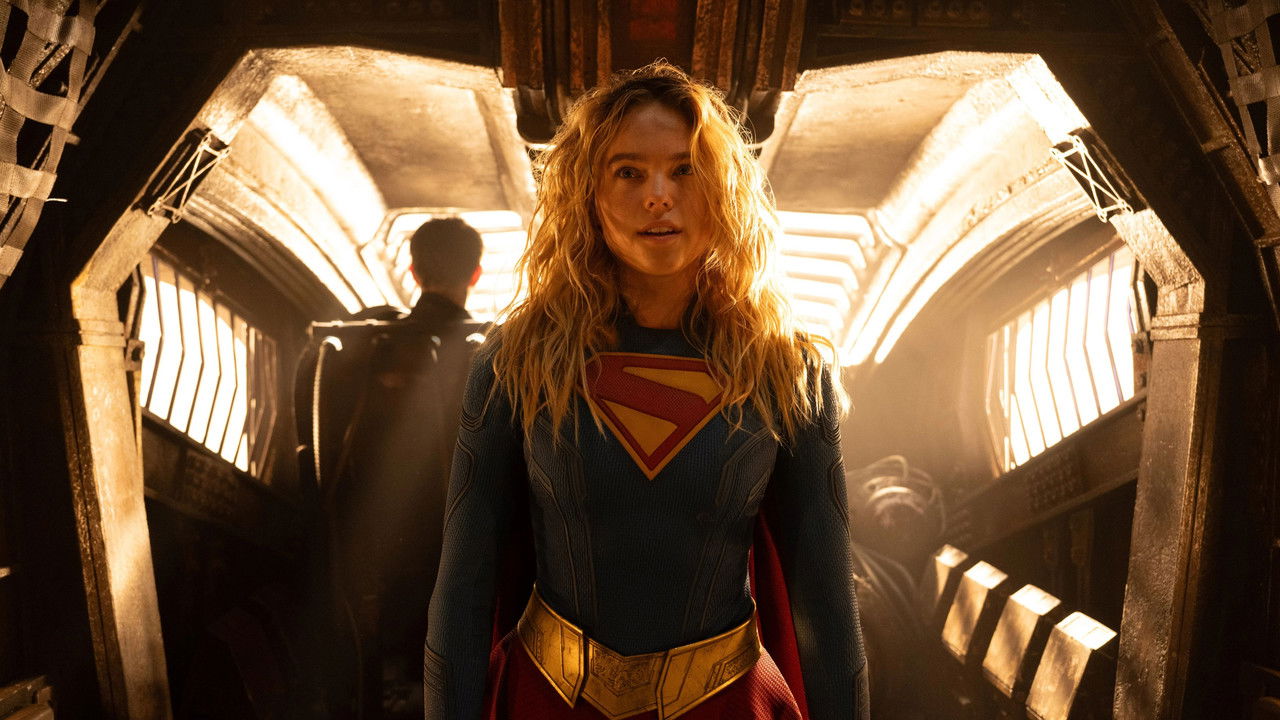
Table of Contents
What Is Supergirl: Woman of Tomorrow About?
Based on the Eisner Award-winning 2021-2022 comic miniseries by Tom King and Bilquis Evely, Supergirl: Woman of Tomorrow is not your typical superhero origin story. The comic — widely hailed as one of the best Supergirl stories ever told — follows Kara Zor-El on a mission across the cosmos after a devastating personal loss.
The official synopsis released by DC Studios reads: “When an unexpected and ruthless adversary strikes too close to home, Kara Zor-El, aka Supergirl, reluctantly joins forces with an unlikely companion on an epic, interstellar journey of vengeance and justice.”
In the source material, that “unlikely companion” is Ruthye Mary Knoll, a young alien girl seeking revenge for her father’s murder. Together, Kara and Ruthye traverse strange worlds, confront cosmic horrors, and — most importantly — grapple with the weight of grief, rage, and what it means to wield godlike power when all you want to do is burn everything down.
The comic is elegiac, violent, and deeply emotional. It’s True Grit in space, with a Kryptonian. And DC is betting big that audiences are ready for a superhero story that isn’t afraid to be both beautiful and brutal.
The Cast: Milly Alcock Leads a Stellar Ensemble
Casting Milly Alcock as Kara Zor-El was a masterstroke. The Australian actress captivated audiences as young Rhaenyra Targaryen in HBO’s House of the Dragon, bringing a fierce vulnerability to a character navigating impossible expectations. She’s got the range to play Kara’s rage and her compassion, often in the same scene.
Alcock has spoken about the physical demands of the role, training extensively in martial arts and wire work. “Kara is angry in a way we don’t often see female superheroes allowed to be,” she told Empire magazine earlier this year. “She’s not smiling through the pain. She’s not performing niceness. She’s furious, and that’s cathartic to play.”
Alongside Alcock, Matthias Schoenaerts (Rust and Bone, The Old Guard) plays Krem of the Yellow Hills, the film’s primary antagonist. Krem is not a world-ending super-villain — he’s something more unsettling: a charismatic, cruel warlord whose evil is entirely human. The grounded nature of the threat is one of the things that makes the story so effective.
Eve Ridley makes her feature film debut as Ruthye, the young alien girl whose quest for justice drives the narrative. The chemistry between Alcock and Ridley will make or break the movie, and early test footage reportedly showcases a dynamic that’s equal parts protective and combative.
And then there’s Jason Momoa as Lobo — the Czarnian bounty hunter, intergalactic menace, and fan-favorite antihero. Momoa has been campaigning to play Lobo for over a decade, and his casting feels like destiny. The trailers show Lobo in his full, foul-mouthed, chain-wielding glory, and it’s clear Momoa is having the time of his life. Lobo serves as a reluctant ally — and occasional antagonist — to Kara, and their bickering road-trip dynamic promises to be one of the film’s highlights.
Rounding out the cast: David Krumholtz as Zor-El, Kara’s father, appearing in flashbacks to a Krypton that was already doomed; Emily Beecham as Alura In-Ze, Kara’s mother; and Ferdinand Kingsley as Elias Knoll, Ruthye’s murdered father.
Behind the Camera: Craig Gillespie’s Vision
Director Craig Gillespie might seem like an unconventional choice for a superhero epic, but his filmography suggests otherwise. I, Tonya demonstrated his ability to blend dark comedy with genuine pathos and kinetic action. Cruella showed he could handle big-budget spectacle with visual flair. Dumb Money proved he could juggle ensemble casts with narrative clarity.
For Supergirl, Gillespie has cited westerns and samurai films as his primary visual references. “It’s a revenge story set in space,” he said at CinemaCon. “The landscapes are vast, the violence is sudden, and the emotional core is a young woman deciding what kind of person — what kind of hero — she wants to be.”
The film was shot across locations in Iceland, Jordan, and New Zealand, with extensive use of practical sets and The Volume technology for space sequences. The cinematography is by Greig Fraser (Dune, The Batman), whose work promises to give the film a tactile, lived-in quality that distinguishes it from the shinier superhero movies of the past.
How It Fits Into James Gunn’s DC Universe
Supergirl was first introduced in the new DCU through Superman (2025), where she appeared briefly in a post-credits scene. But Woman of Tomorrow is designed to stand completely on its own. You don’t need to have seen Superman to understand this movie — Kara’s story is self-contained, emotionally complete, and distinct from her cousin’s.
That said, the broader DCU connections are there for fans who look. The film takes place in a galaxy far from Earth, with references to the Green Lantern Corps, the Reach, and other cosmic entities that Gunn has hinted will play major roles in the DCU’s future. Lobo’s introduction alone opens the door to countless story possibilities.
Gunn has said that Supergirl is one of his favorite projects in the entire DCU slate. “It’s the kind of movie that reminds you superheroes can be art,” he posted on Threads earlier this year. “It’s funny, it’s heartbreaking, it’s visually stunning. Milly is a revelation.”
Audience Expectations
The trailers have done exactly what great trailers should: generate genuine excitement while revealing almost nothing. We’ve seen glimpses of Kara’s childhood on Krypton, her arrival on Earth, the inciting tragedy, the space road trip with Ruthye, and Lobo’s explosive introduction. But the plot specifics remain largely under wraps, which is refreshing in an era where most marketing campaigns spoil the entire movie.
Social media reaction to the trailers has been overwhelmingly positive, with particular praise for Alcock’s intensity, the visual design of Krypto (Kara’s super-powered cat, who makes an appearance), and Momoa’s gleefully unhinged Lobo. The film is tracking for a $75-85 million opening weekend — strong for a non-Batman, non-Superman DC property — and industry analysts expect strong legs through July if word-of-mouth delivers.
Why This One Matters
Supergirl: Woman of Tomorrow matters because it represents something the superhero genre has been missing: a story that prioritizes emotional truth over franchise building. Yes, it sets up future DCU installments. Yes, Lobo will almost certainly get a spinoff. But the core of the film is a young woman processing grief through action — and that’s a story that transcends capes and cosmic battles.
If the film succeeds — critically and commercially — it could reshape how studios approach comic book adaptations. Not every superhero movie needs to be about saving the world. Sometimes, the best stories are simply about one person learning to live with the world they’ve been given.
June 24 can’t come soon enough.
Related Articles
- Spider-Man: Brand New Day — Everything the Empire Exclusives Revealed
- HBO Max Summer 2026 Preview: House of the Dragon S3, The Axe, and More
- Netflix June 2026 Lineup: Enola Holmes 3, Avatar S2, and Everything Coming
- Golden Trailer Awards 2026: Project Hail Mary Dominates With 5 Wins
Sources: DC Studios, Variety, The Hollywood Reporter, Empire, TMDB
Are you excited for DC’s darker take on Supergirl? Do you think Milly Alcock can carry the franchise the way Margot Robbie carried Harley Quinn? Let us know in the comments.
© Telepisodes [EST 2008 - 2018] Disclaimer | Sitemap | About | Blog | Use of this website constitutes acceptance of Telepisodes' Terms of Service and Privacy Policy.