Watch Series Online

Supergirl Just Lost $125 Million at the Box Office — Why Hollywood Keeps Failing Female Superheroes
Table of Contents
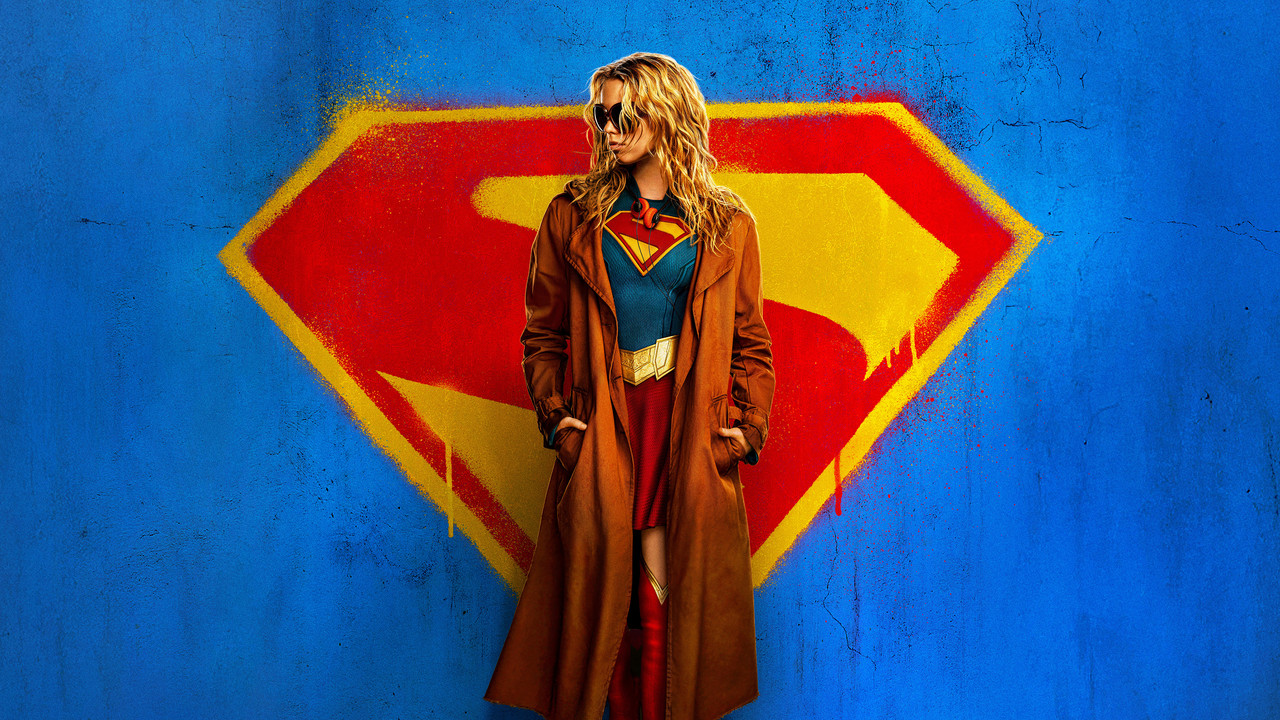
The Numbers Don’t Lie
Sometimes the box office tells you everything you need to know before you’ve even bought a ticket. Supergirl — Warner Bros. and DC Studios’ big summer bet, starring Milly Alcock in her first major leading role since House of the Dragon — opened to $68 million worldwide this past weekend. That number, on its own, might sound respectable. But when you learn the film cost $170 million to produce and another $120 million to market, totaling a staggering $290 million investment, the math gets ugly fast.
Variety and Deadline are both reporting that Supergirl is on track to lose $80 million to $125 million for the studio. Let that range sink in. Even the best-case scenario is an eight-figure loss. The worst case is a nine-figure disaster that ranks among the biggest bombs in superhero movie history.
This wasn’t supposed to happen. Supergirl was positioned as a major pillar of James Gunn’s DC Universe reboot — the follow-up to 2025’s Superman, which had performed solidly (though not spectacularly) and established the tone for this new interconnected franchise. Milly Alcock’s Kara Zor-El even appeared briefly in Superman, a cameo designed to generate excitement for her solo outing. The pieces were in place. The marketing campaign was everywhere. The tracking services had it pegged as one of the key summer event films alongside Masters of the Universe (which also bombed) and Spielberg’s Disclosure Day.
And yet, audiences stayed home. Or went to see something else. Or maybe just didn’t believe that this version of Supergirl was essential viewing. Whatever the reason, the result is the same: Supergirl cratered.
Why This Keeps Happening
Here’s the uncomfortable conversation Hollywood keeps having in whispered tones but rarely says out loud: female-led superhero movies keep underperforming at the box office, and nobody seems to know how to fix it.
Before you grab your pitchforks — I’m not saying these movies are bad, or that audiences don’t want to see women in capes. Some of them are genuinely great. Wonder Woman (2017) remains the gold standard, pulling in $822 million worldwide and proving definitively that a well-made female superhero movie can be a four-quadrant smash. Captain Marvel crossed a billion dollars in 2019. These aren’t flukes — they’re proof of concept.
But look at the pattern since then. Wonder Woman 1984 was hamstrung by the pandemic and a divisive script. Black Widow got caught in Disney’s day-and-date Premier Access experiment and underwhelmed financially. The Marvels became the lowest-grossing MCU film ever. Birds of Prey opened soft despite excellent reviews. Madame Web became a meme. The upcoming Thunderbolts (2025) reportedly lost money. And now Supergirl, carrying the weight of DC’s entire reboot strategy, has face-planted harder than any of them.
Variety’s Rebecca Rubin put it bluntly in her analysis: audiences appear to be “continuing to reject lesser-known comic book protagonists.” And that’s the cruel irony at the heart of this problem. Male superheroes who were D-list nobodies before their movies — Guardians of the Galaxy, Ant-Man, Aquaman — got a chance to prove themselves and audiences showed up. But female superheroes who aren’t named Wonder Woman or Captain Marvel seem to get one shot, and if that shot misses, the takeaway becomes “audiences don’t want female superheroes” instead of “this specific movie didn’t connect.”
That’s a self-fulfilling prophecy, and it’s strangling the entire subgenre.
What Went Wrong With Supergirl Specifically
I watched the film, and I can tell you: Supergirl isn’t terrible. It’s not great either. It’s somewhere in the muddy middle, and the muddy middle is the most dangerous place for a $290 million bet.
Milly Alcock is genuinely compelling as Kara Zor-El. She brings the same raw, wounded intensity that made her young Rhaenyra Targaryen so magnetic on House of the Dragon. There’s a scene in the second act — without spoiling anything — where she’s confronting what it means to live in her cousin’s shadow, and Alcock sells it with the kind of vulnerability that makes you wish the rest of the movie had earned it.
But the film around her is tonally confused in ways that feel almost studied. It wants to be a coming-of-age story about a young woman finding her place in the world, but it also wants to be a bombastic alien invasion blockbuster with world-ending stakes. It wants to have the heart of Superman but the edge of something darker, and it ends up doing neither convincingly. The villain — a generic cosmic threat with vague motivations and a CGI-heavy final confrontation — feels like it was designed by committee. The supporting cast is talented but underused. The humor lands about half the time. The action sequences are competent but never memorable.
Variety’s Owen Gleiberman called it “tonally inept” in a scathing column, pointing to a late-film scene where Supergirl, after what he describes as an eternity of setup, has quit drinking in a bar and is now… fighting. The arc doesn’t track. The emotional beats don’t land. And when a $290 million superhero movie can’t make you feel anything during its climactic moments, something fundamental has gone wrong.
The Superman Problem
There’s another factor here that’s specific to Supergirl, and it’s worth naming: proximity to Superman is both a blessing and a curse.
Supergirl has always existed in her cousin’s shadow. That’s literally baked into the character — she’s Superman’s cousin from Krypton. The 2015 CBS/CW Supergirl series starring Melissa Benoist spent six seasons grappling with that dynamic, and actually did it quite well by embracing the idea that Kara’s journey is fundamentally different from Clark’s. She remembers Krypton. She lost everything. Her optimism isn’t naive — it’s hard-won.
The film tries to engage with this, but it keeps getting pulled back toward Superman’s gravity. His name is mentioned constantly. His legacy looms over every decision. And because Superman (2025) was positioned as the foundation of this new DCU, Supergirl can’t fully escape being “the spinoff” instead of standing on its own. Audiences can feel that. They know when a movie exists because of franchise architecture rather than because someone had a story they were burning to tell.
Where Female Superhero Stories Actually Work
It’s not all doom and gloom. There are places where female superhero narratives are absolutely thriving — they’re just not always in theaters.
The Boys on Prime Video has given us some of the most compelling female supe characters in recent memory, from Starlight’s moral journey to Kimiko’s wordless ferocity to Victoria Neuman’s chilling political ambition. The show works not because it’s “a female superhero show” but because it writes women as actual people with contradictions, flaws, and agency. Invincible does the same — Atom Eve’s standalone episode in Season 2 is arguably the best thing the show has ever done, and it barely features the title character.
Even the 2015 Supergirl TV series found an audience that the movie couldn’t, running for six seasons by leaning into character relationships, workplace dynamics, and the messiness of Kara’s dual identity. The show wasn’t perfect, but it understood that superheroes are fundamentally people first and action figures second.
The lesson here is painfully obvious and Hollywood keeps ignoring it: audiences don’t reject female superheroes. They reject movies that feel like they were made because a studio needed to fill a release slot rather than because someone had a vision.
What DC Studios Should Learn
James Gunn and Peter Safran have mostly gotten things right with the DCU so far. Superman worked. Peacemaker worked. The animated Creature Commandos was a delight. The overall creative direction — embracing the weirdness of DC’s universe while grounding it in character — is exactly what the brand needed after the Snyder-era exhaustion.
But Supergirl is a wake-up call. You can’t just put a talented actress in the suit, point to Superman’s cameo, and expect the audience to fill the seats. Superhero movies — male-led, female-led, ensemble, whatever — need to earn their existence. They need a reason to exist beyond “this character is in the DC library and we own the rights.”
If Gunn’s DCU wants to do right by its female heroes — and there are plenty on the docket, from Wonder Woman to Supergirl to whoever else gets a greenlight — the formula isn’t complicated. Hire directors with a point of view. Write scripts that have something to say. Cast actors who can carry emotional weight. Give them the same creative trust you’d give a Batman movie. And for the love of Krypton, stop testing everything to death until it tastes like nothing.
Supergirl deserved better. So did Milly Alcock. So did the audiences who showed up hoping for something special. The only silver lining is that failures this big are impossible to ignore. Maybe — just maybe — the lesson will actually stick this time.
© Telepisodes [EST 2008 - 2018] Disclaimer | Sitemap | About | Blog | Use of this website constitutes acceptance of Telepisodes' Terms of Service and Privacy Policy.