Watch Series Online

Stephen Poliakoff Returns to Major TV Drama With Epic Historical Thriller ‘The Order’
Table of Contents
Wait, Stephen Poliakoff Is Back?
If you blinked during the weekend news cycle, you might have missed a quiet announcement that should make any fan of prestige television sit up and pay attention. Stephen Poliakoff — the British writer and director widely considered one of the finest dramatists television has ever produced — is returning to major TV with an eight-part historical political thriller called The Order. And honestly? This is the kind of television news that deserves way more than a footnote.
Announced by Malta Film Commissioner Johann Grech at the Mediterrane Film Festival’s Golden Bee Awards ceremony, the new series marks Poliakoff’s first large-scale television project since 2019’s Summer of Rockets — a seven-year gap for a writer whose work has defined what British TV drama can be.
So who is this guy, and why should you care about a show that doesn’t even have a cast list yet? Let me walk you through it.
The Quiet Giant of British Television
If you’re not deeply embedded in UK television culture, Stephen Poliakoff’s name might not ring immediate bells the way a showrunner like Jesse Armstrong or Ryan Murphy would. But here’s the thing: in 2006, The Independent called him the UK’s “pre-eminent TV dramatist” and said he had “inherited Dennis Potter’s crown.” That’s the British TV equivalent of being called the successor to David Chase or David Simon — it doesn’t get much heavier.
Poliakoff started as a playwright, becoming writer-in-residence for the National Theatre at the absurdly young age of 24. But it’s his television work that built the legacy. Shooting the Past (1999) won the Prix Italia. Perfect Strangers (2001) earned him the BAFTA Dennis Potter Writer’s Award and a Peabody. The Lost Prince (2003) somehow pulled off the near-impossible feat of winning an Emmy as a non-American production — back when that almost never happened. Gideon’s Daughter (2006) snagged Golden Globes for both Bill Nighy and Emily Blunt.
His most personal work, Summer of Rockets (2019), drew directly from his family history — his Russian-Jewish grandfather fled the Soviet Union in 1924 after witnessing the revolution from a Moscow flat across from the Kremlin. That’s not research. That’s blood memory.
What sets Poliakoff apart from most television writers is his willingness to make TV that feels like cinema. His projects are dense with atmosphere, interested in the strange corners of history, and deeply curious about how charisma and power operate on ordinary people. He’s not making content. He’s making work that matters.
What We Know About ‘The Order’
Details are being kept deliberately tight, which is classic Poliakoff — this is a writer who values mystery and atmosphere over pre-release hype cycles. Here’s what’s confirmed:
The show is an eight-part international political thriller with a historical setting. It was formally unveiled at the Mediterrane Film Festival in Malta, and Malta itself appears to be central to the production — both as a filming location and potentially as a narrative setting.
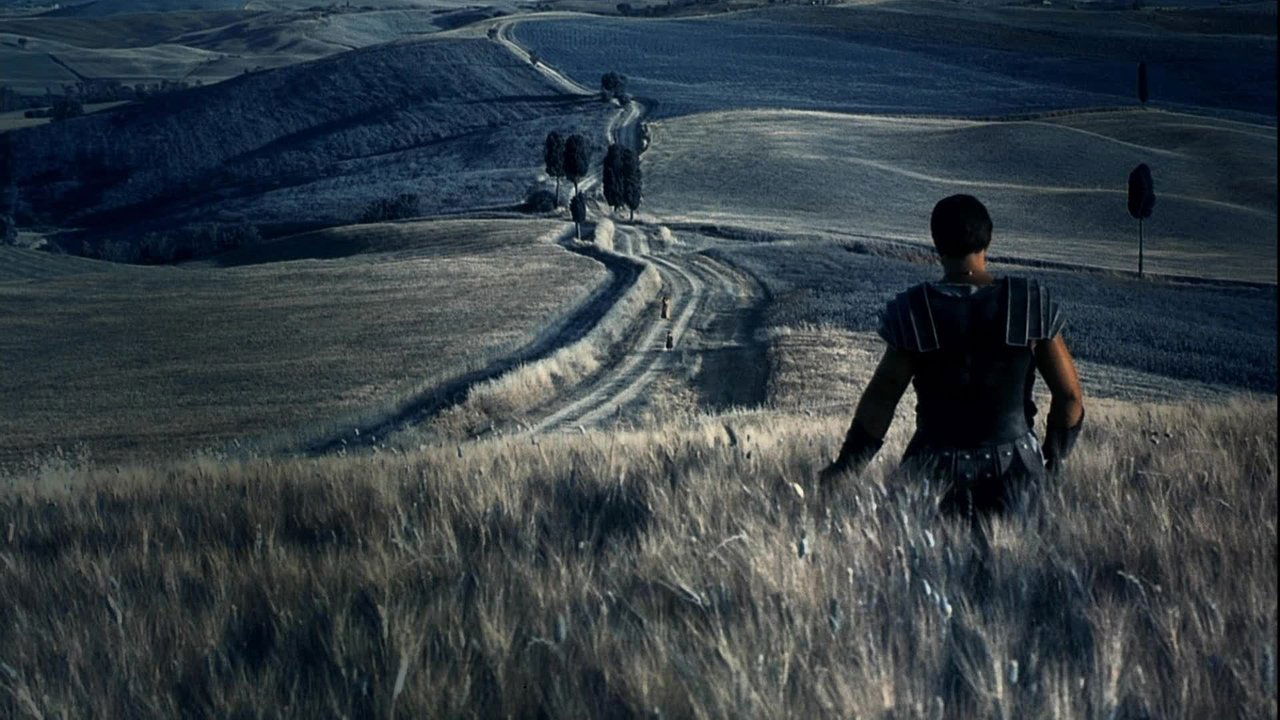
Malta has become one of Europe’s most important filming destinations in recent years, hosting everything from Game of Thrones to Gladiator II. Its limestone architecture, Mediterranean coastline, and generous production incentives have made it the go-to for historical epics. For a Poliakoff period thriller, it’s practically a perfect match.
The title — The Order — is deliberately evocative without being specific. It could refer to a political faction, a secret society, a religious order, or a military chain of command. Poliakoff’s work often explores institutions under pressure — the BBC in Shooting the Past, the British aristocracy in The Lost Prince, the Cold War intelligence apparatus in Summer of Rockets. Whatever “The Order” turns out to be, expect it to be a lens through which he examines something bigger about power, loyalty, and the stories nations tell themselves.
Why Seven Years Between TV Projects Matters
Poliakoff hasn’t been idle since 2019 — he’s written plays, developed projects, and by all accounts been quietly working on material that he felt was worth the wait. But a seven-year gap in television is practically an eternity in an era where streamers greenlight, produce, and cancel shows inside of eighteen months.
That gap is actually telling. Poliakoff doesn’t work on the content assembly line. He belongs to a generation of television writers — alongside figures like Dennis Potter, Alan Bennett, and Alan Bleasdale — who treated the medium as a canvas for serious artistic ambition. When Poliakoff returns, it’s because he has something to say, not because a development deal was expiring.
The industry has changed dramatically since Summer of Rockets aired on BBC Two. Streaming has reshaped how prestige drama gets made, funded, and distributed. It’s not yet clear where The Order will land — BBC, a streaming partner, or an international co-production are all plausible routes. But whatever platform gets it is getting a prestige signal boost that money can’t buy.
The Historical Thriller Is Having a Moment
Poliakoff’s return comes at an interesting time for the genre. Historical dramas — especially those with political intrigue at their core — are everywhere right now. House of the Dragon has turned Targaryen family politics into appointment television. Apple TV+ has built a whole identity around ambitious period pieces. Even Netflix, traditionally the home of contemporary binge-watches, has been leaning harder into historical fiction with shows like The Leopard and its expanding slate of international productions — though The Crown proved years ago that audiences have an appetite for prestige historical drama.
But Poliakoff’s approach is different from the swords-and-crowns aesthetic that dominates the genre. His history is interior — it happens in drawing rooms and government offices, in whispered conversations and unspoken betrayals. He’s interested in the moments between the battles, not the battles themselves. If House of the Dragon is a flamethrower, Poliakoff is a scalpel. Both have their place, but they’re doing fundamentally different things.
What makes a Poliakoff historical thriller compelling isn’t the period costumes or the lavish locations (though those will undoubtedly be stunning, especially with Malta as a backdrop). It’s his ability to make historical events feel immediate — to find the human anxieties inside the grand political movements. Watching Summer of Rockets, you don’t just learn about Cold War paranoia. You feel it in your chest.
What Comes Next
The announcement at the Mediterrane Film Festival is clearly the beginning of a ramp-up, not the end of one. Casting hasn’t been revealed yet. No network or streaming platform has been attached. There’s no premiere window to circle on your calendar.
But here’s the thing about Poliakoff: the projects he chooses attract talent — the same gravitational pull that made Andor a destination for character actors who normally wouldn’t touch a Star Wars project. The Lost Prince drew Miranda Richardson to a television role that earned her a Golden Globe nomination. Gideon’s Daughter showcased Bill Nighy and Emily Blunt in performances that won them both Globes. Actors want to work with writers who give them something real to do — and Poliakoff has a forty-year track record of doing exactly that.
So expect the casting announcements, when they come, to turn heads. Expect the platform announcement to signal something about where prestige television is heading next. And expect The Order, whenever it arrives, to be one of those shows that people who care about television as an art form will be talking about for a long time.
Seven years is a long time to wait for a new Poliakoff drama. But if his track record is any indication, it’ll be worth every minute.
Sources: Variety, Wikipedia, StephenPoliakoff.com, The Independent
© Telepisodes [EST 2008 - 2018] Disclaimer | Sitemap | About | Blog | Use of this website constitutes acceptance of Telepisodes' Terms of Service and Privacy Policy.