Watch Series Online

Simu Liu Signs With WME — What the Shang-Chi Star’s Big Move Means for His Next Chapter
Table of Contents
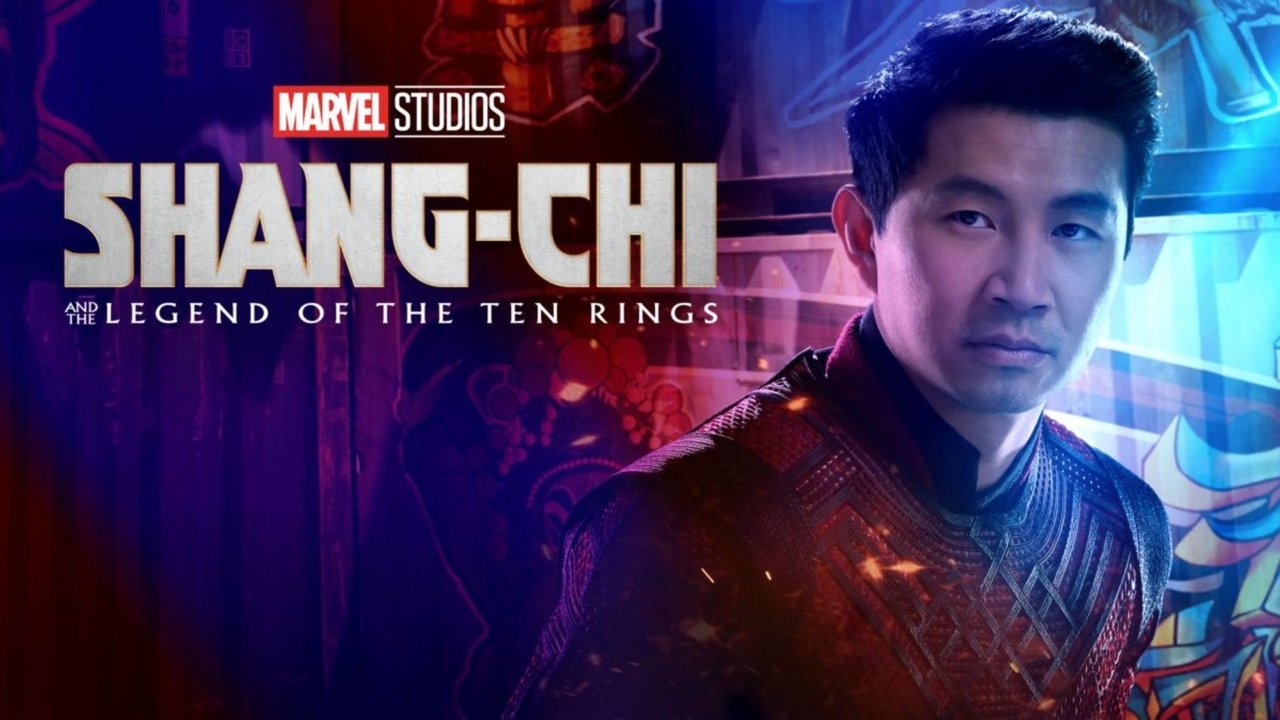
Simu Liu Levels Up: Why WME Is the Smart Next Move for Shang-Chi’s Star
When Shang-Chi and the Legend of the Ten Rings dropped in 2021, it wasn’t just another Marvel Studios slot. Simu Liu, a former insurance salesman who spent years doing impressions on Canadian comedy stages before landing the role of a lifetime, became the face of the MCU’s most deliberate expansion into Asian-led storytelling. Five years later, the move that matters most might not be on a film set — it’s in a contract. Liu has signed with WME, the heavyweight agency that represents everyone from Mark Wahlberg to Timothé Chalamet, and in a town where who you’re insured by can shape your next three projects, that’s a statement.
Deadline broke the news this week: Liu inked a deal with WME covering all areas of representation, from on-camera to producing. That sounds like boilerplate agency language until you unpack what it actually signals. WME isn’t just the place where stars go when they’ve already won — it’s the place where stars go when they’re about to build empires. Liu, who turned a Marvel audition into a career that now stretches from Barbie‘s SNL-flavored workplace comedy to the YouTube-driven gonzo energy of She-Hulk: Attorney at Law, is clearly positioning himself for the next tier.
What the Deal Actually Means
Representation in Hollywood isn’t paperwork — it’s architecture. An agent shapes the room before you walk into it. When the news first dropped, industry watchers noted that Liu was previously with CAA, the other half of the Hollywood agency duopoly. Moving from CAA to WME isn’t a lateral shuffle; it’s a recalibration. Both agencies are elite, but WME’s branding in recent years has leaned into the creator-economy crossover, the kind of deal-making that bundles acting with producing, packaging, and digital IP. For an actor who’s already expressed interest in building beyond performing — Liu has been producing through his company, and his YouTube channel has been a steady, quirky presence — WME’s toolkit makes sense.
There’s also the timing. Liu wrapped a period where he proved his range in vastly different genres: the high-camp spectacle of Barbie, the superhero brawler Shang-Chi and the Legend of the Ten Rings, and the irreverent lawyer comedy of She-Hulk: Attorney at Law. Having accumulated a solid body of work rather than a single breakout moment, he’s now the kind of client agencies fight over — and the agency chosen often determines whether the next wave of opportunities lands as it should.
From Insurance Salesman to Shang-Chi — The Unlikely Ascent
Liu’s path to the MCU is the kind of story that only works in a town built on improbable breaks. Born in China and raised in Canada from age three, he spent his early adulthood in a career that looked nothing like acting. He was selling insurance in Toronto, doing stand-up on the side, and building a YouTube following through sketch comedy and impressions — a portfolio of hustle that didn’t scream “future Marvel lead.” Then, through a mix of persistence, a perfect audition, and genuine charisma, he won the role of Shang-Chi — the first Asian American hero to headline an MCU film.
The movie made $224 million worldwide against a modest budget, a box office performance that owed as much to word-of-mouth as to built-in brand power. Liu’s performance — physical, emotionally direct, funny without trying too hard — landed him not just the film but a string of follow-on opportunities: voicing the role of “Mr. Gao” in Kung Fu Panda 4, appearing in Greta Gerwig’s Barbie as the hapless Ken colleague Sean, and joining the chaotic fun of She-Hulk: Attorney at Law. A few years ago, a first-gen immigrant actor from Toronto doing insurance and open-mics wouldn’t have been in that lineup. Now he’s the exact kind of actor an agency like WME wants to lock in.
For fans who followed Liu’s earlier career — the YouTube sketches, the Canadian sketch show appearances — the shift to WME feels like the next chapter of a story that’s been building for over a decade. It also makes strategic sense: WME has deep relationships across the independent film world, the streaming landscape, and the kind of producing deals that let actors shape projects from the ground up. That’s a platform for someone who’s already proven he can carry a blockbuster.
Why This Matters for the Industry
Liu’s WME signing is a small story that ripples outward. Representation agencies are the invisible machinery of Hollywood — the gatekeepers who decide which actors get meetings, which projects get packaged, and which careers accelerate. When an actor of Liu’s profile moves, it signals that the industry’s center of gravity is shifting, however gradually, toward talent from a broader set of backgrounds. Liu isn’t the only Asian American actor on the rise, but he’s one of the few who has headlined a billion-dollar franchise’s spinoff and then expanded into A-list adjacent work. His agency move suggests the perception around him has shifted from “breakout star of a Marvel film” to “long-term career player.”
There’s a broader pattern here. The agency market in Hollywood has consolidated and stratified over the past decade. The difference between a good agent and a great one can mean the difference between a string of forgettable guest roles and a lead part that defines a career. For actors from communities that Hollywood has historically underserved, the right agency isn’t just about access — it’s about who believes in the ceiling of your career. WME has been explicit about investing in diverse talent pipelines, and Liu’s signing fits that institutional posture.
There’s also the producing angle. Liu has shown interest in developing projects — an inclination that’s increasingly how careers survive in an industry where leading roles aren’t handed out every year. Producing credits let actors control their own narrative, and WME’s packaging power can attach directors, writers, and financing around a producer-actor’s vision. It’s a more durable model than waiting for the next audition.
The Bigger Picture for Asian Representation in Film
Liu’s career arc intersects with a genuine cultural shift, not just a corporate one. When Shang-Chi and the Legend of the Ten Rings landed, it was the culmination of years of advocacy — by actors, directors, and audiences — for stories that reflected a wider slice of the world. Liu has spoken openly about the pressure of that moment and the responsibility of being, in effect, a proof of concept. His move to WME doesn’t erase the fact that the same industry still underrepresents Asian actors in leading roles overall. But it does suggest that the individuals who have broken through are now being treated with the long-game seriousness reserved for marquee names.
That seriousness matters because representation isn’t only about who gets cast — it’s about whose career gets built. The difference between a one-off Marvel casting and a sustainable career is agency support, producer partnerships, and deal-making that treats the actor as a multi-hyphenate rather than a franchise slot. Liu’s team-up with WME appears aimed at that longer horizon.
Looking Ahead
For viewers, the practical question is simple: what’s next for the actor who brought Shang-Chi to life? The WME deal doesn’t answer that directly — agency signings rarely do — but it points toward a career phase where Liu gets to choose rather than chase. Whether that means leading a smaller independent, returning to the MCU for another chapter, or developing a project closer to his comedy roots, the agency infrastructure is now in place to make it happen.
There’s something satisfying about the arc from insurance salesman to WME signee. It’s not the overnight-fame story; it’s the incremental, relentless version — years of grinding on stages and YouTube, one audition that changed everything, the discipline to keep building after the biggest role of your life arrives. Liu’s career will be worth watching not just for the projects, but for the model: an actor who turned a franchise moment into into sustained momentum rather than letting it become a ceiling. And sometimes, the most important business news for an actor is the one that happens off screen.
© Telepisodes [EST 2008 - 2018] Disclaimer | Sitemap | About | Blog | Use of this website constitutes acceptance of Telepisodes' Terms of Service and Privacy Policy.