Watch Series Online

Robert Pattinson: The Batman Part II Fight Scenes Are “Significantly Harder” — and He’s “Feeling My Age”
Table of Contents
Robert Pattinson Admits The Batman Part II Fight Scenes Are “Significantly Harder” — and He’s Just Getting Started
Robert Pattinson has a simple message for anyone wondering whether The Batman: Part II will match the physical intensity of the 2022 hit: it is going to be a step up, and the actor is feeling every bit of it. Speaking to GQ while filming in London, the 40-year-old star said the fight sequences in the sequel are “significantly harder” than what he tackled the first time around — and he is not pretending otherwise.
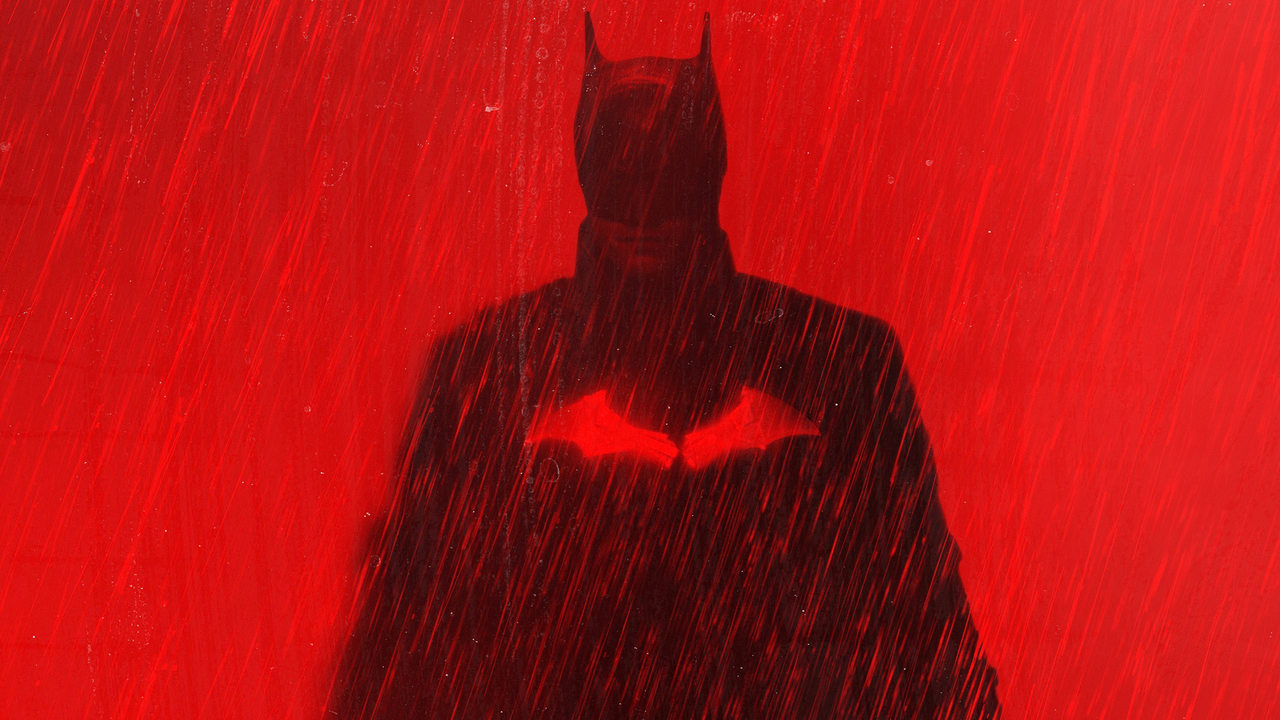
“I’m in London here till the end of the year doing a Batman sequel,” Pattinson told GQ. “It’s good. I’m definitely feeling my age when fighting a lot. I’m literally like, ‘Goddamn, this is significantly harder than it used to be.’ But it’s really fun. And I think the movie’s going to be pretty great. It’s got a really, really fun cast, but it’s a marathon.”
The candor is almost refreshing in a genre where lead actors usually talk around the physical toll with practiced humility. Pattinson is not just admitting the work is harder — he is framing it as the whole point. Batman does not get easier as the hero gets more experienced. The body changes. The expectations change. The fights get bigger, longer, and more punishing. And Pattinson, who turned 40 in 2025, is right in the middle of that conversation with himself.
Why the Sequel Is a Different Kind of Physical Challenge
The first The Batman turned heads for how much of its lead actor was physically on display. Pattinson performed a significant chunk of his own stunts, and the film’s grimy, rope-and-\\xe2\\x80\\x91leather approach to the character meant every punch and chase carried the weight of an actor pushing himself through real exertion. The sequel escalates from there. The lingering hint from test footage released in May — showing Pattinson back in the suit as Warner Bros. Studios Leavesden was transformed into a snow-dusted Gotham — suggests a colder, harder, more ruthless version of the same character.
Director Matt Reeves has been methodical about building the sequel around a Gotham in crisis, and that usually means more action, not less. Reeves shared test shots in May that showed Pattinson in the bat suit navigating a winter-transformed set, and the sense from those images was of a film that wants its hero to feel heavier, slower, and more deliberate in his violence. That is a harder ask of a stunt performer than the lithe, spring-loaded agility of a younger Batman. Age shows up in the margins of action cinema — in how quickly a character recovers, how much punishment they can absorb, how much the camera lingers on the aftermath.
The release date tells its own story about the scale of what is being built. After several delays, The Batman: Part II now targets a February 18, 2028 theatrical release, with filming having moved into spring for a production that the studio has clearly been treating as a long, careful build rather than a fast turnaround. When a sequel takes this long to position, the physical preparation tends to become part of the character work — not a separate department, but a way of inhabiting the role.
The Cast and the Creative Context
Pattinson’s mention of a “really, really fun cast” lands in the middle of a franchise that has spent the last couple of years resisting easy categorization. The Batman was always going to be a stand-alone-style follow-up rather than a clean entry in a shared universe, and the surrounding news cycle has reflected that tension. James Gunn, who now co-heads DC Studios, has said publicly that Batman remains his biggest creative issue in the DC Universe — the one character where he believes there is a way in, but only on the right terms. That kind of public wrestling with the character’s future only deepens the interest around whatever Pattinson and Reeves are building.
The actor’s GQ comments also arrive at a moment when the gap between the first film’s reception and the sequel’s expectations has become a story in its own right. The 2022 film was a critical and commercial success that reframed the character for a new cycle, and the sequel has been carrying the weight of that comparison ever since. When a star says the work is harder this time, it is usually a signal that the filmmakers are not trying to repeat what worked — they are trying to go further into the same dark.
What “Feeling My Age” Actually Means for a Superhero Sequel
The most interesting part of Pattinson’s comment is what it quietly reveals about the production. An actor saying fight scenes are harder at 40 is not a confession of limitation; it is a description of a specific kind of intensity that only shows up when a performer is old enough to know exactly what the body is doing and young enough to still push it hard. The line between those two things is where a lot of the best action cinema lives.
Pattinson has spent the last decade building a filmography that leans into uncomfortable physical and emotional spaces — from the jittery intensity of High Life to the brutal, intimate close-ups of The Batman. If the sequel asks him to move through fight sequences that are “significantly harder” than the first film, that is not a setback. It is the natural consequence of a producer and director trusting their lead to carry a heavier load, and a lead who is willing to let the audience see the cost.
The comments also land just as the broader DC landscape is shifting around the edges. The project’s production timeline and the public debate over where this Batman sits in relation to the wider DC Universe have kept the sequel in the conversation even during the quieter stretches of production. A star talking plainly about the physical work in the middle of that noise is a useful reminder that, underneath the franchise politics, there is still a performer in a bat suit hitting things for a living.
Why This Matters for the Rest of the Slate
Superhero sequels live or die on whether they convince audiences that the second pass is worth the trip. The most reliable way to do that is not to promise bigger explosions — it is to promise a different kind of performance, one that takes the actor’s relationship with the role into new, more demanding territory. Pattinson’s willingness to say the work is harder, out loud and without varnish, is a small but meaningful piece of evidence that The Batman: Part II is aiming for that layer of honesty.
For viewers who came for the first film’s atmosphere and stayed for the sense that Pattinson was genuinely inhabiting a version of the character that felt lived-in and tired and dangerous, the prospect of a sequel that leans even further into physical strain is easy to root for. If the actor is feeling his age, then the character is too — and that is exactly the kind of Batman story that has not been told before.
<!– internal links embedded below –>
Related Coverage
For more on the DC landscape this sequel is building inside, see our coverage of <a href=”https://telepisodes.org/movies/superman/”>Superman</a> as the studio rethinks its flagship hero, and <a href=”https://telepisodes.org/movies/the-flash/”>The Flash</a> for a look at how another solo outing in the same universe was received. On the other side of the character spectrum, the <a href=”https://telepisodes.org/movies/joker/”>Joker</a> films have shown how far a grounded, actor-driven take on a comic-book figure can go when the performance carries the weight. And for readers tracking the studio’s wider plans, <a href=”https://telepisodes.org/tv-series/peacemaker/”>Peacemaker</a> remains one of the clearest examples of how a DC property can straddle the line between comic-book spectacle and character work — the same balance Pattinson and Reeves are chasing next.
© Telepisodes [EST 2008 - 2018] Disclaimer | Sitemap | About | Blog | Use of this website constitutes acceptance of Telepisodes' Terms of Service and Privacy Policy.