Watch Series Online

RJ Mitte Dies at 34: Breaking Bad Star Remembered
Table of Contents
A Loss Felt Across Hollywood
RJ Mitte, the actor who brought Walter White Jr. to life on AMC’s Breaking Bad, has died at the age of 34. His representatives confirmed the news on Monday, sharing a statement that called him a “beloved actor, philanthropist, and passionate disability rights advocate.” The news sent shockwaves through an entertainment community that had watched Mitte grow from a teenage newcomer into one of television’s most authentic voices for disability representation.
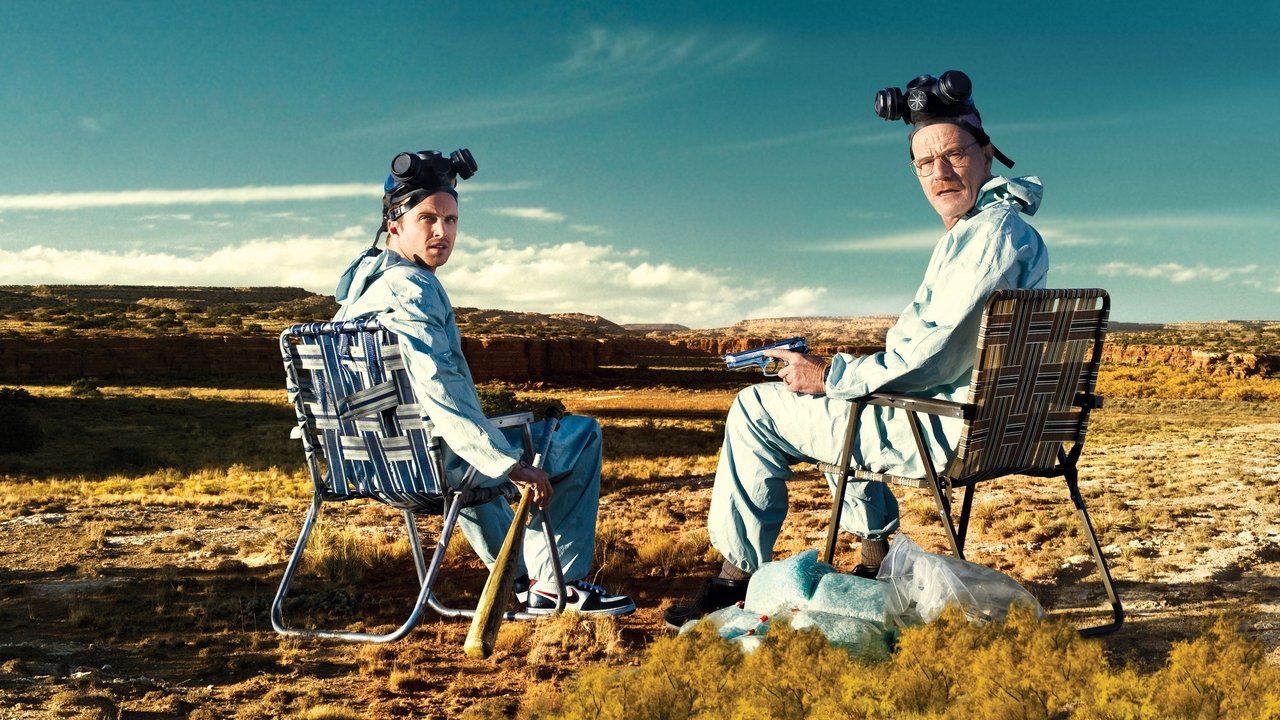
Mitte died in Brownsville, Texas, where he had been living. A cause of death has not been publicly disclosed.
More Than Walter White Jr.
For millions of viewers, Mitte was Walter White Jr. — the cerebral palsy-afflicted son of Bryan Cranston’s methamphetamine kingpin. He appeared in all five seasons of Breaking Bad, from the show’s 2008 premiere through its 2013 finale. The role was a breakthrough, not just because of the show’s massive cultural footprint, but because Mitte himself has cerebral palsy. He didn’t play a character with a disability — he brought his own lived experience to a role that could have easily been cast without authenticity.
The performance resonated deeply. Fans and critics alike saw Walter White Jr. as the moral center of a show about moral collapse — the one character whose struggles had nothing to do with ego or greed. Mitte played him with a quiet dignity that made the character impossible not to root for. In a series filled with antiheroes and villains, Walt Jr. was the heart — and Mitte made you feel every beat of it.
His work on the show earned him the SAG-AFTRA Harold Russell Award in 2013, an honor given to performers who bring awareness to the disability community through their craft. The award recognized not just his acting, but the way he used a blockbuster platform to normalize disability on screen.
From Mississippi to Hollywood
Born in Louisiana and raised in Jackson, Mississippi, Mitte was diagnosed with cerebral palsy at the age of three. Doctors put his legs in casts for six months in an attempt to straighten his feet — an early experience that shaped both his resilience and his determination. He moved to Hollywood in 2006, working with a personal talent manager to find acting opportunities where his disability could educate viewers rather than limit them.
After minor roles in sitcoms, the call came that would change everything: an audition for a new AMC crime drama called Breaking Bad. The role of Walter White Jr. was written with cerebral palsy as a character trait, and Mitte’s audition was so compelling that the part was essentially his from the start. He was a teenager. The show would go on to become one of the most acclaimed series in television history, winning 16 Emmy Awards and building a global fanbase that persists nearly two decades later.
A Career Beyond the White Family
After Breaking Bad concluded in 2013, Mitte continued to work steadily, though never again at the same stratospheric level of fame. He recurred as Campbell Bingman on Freeform’s Switched at Birth in 2014, playing a premed student paralyzed in a snowboarding accident — another role that drew on his own experiences. He starred in the Netflix animated series The Guardians of Justice in 2022 and appeared in films including Time Share (2018), Standing Up for Sunny (2019), The Oak Room (2020), and Triumph (2021), the latter of which he executive produced.
In Triumph, Mitte played a high school senior determined to become a wrestler despite living with cerebral palsy — a role that blurred the line between fiction and autobiography in ways that felt deeply personal. He also appeared opposite Dove Cameron in 2024’s Love Me Dead and opposite Finn Wittrock in 2025’s Westhampton. While none of his post-Breaking Bad projects reached the same cultural impact, Mitte carved out a career defined by choosing roles that meant something — parts that challenged stereotypes about what actors with disabilities can and should play.
The Advocate
Perhaps more than his acting, Mitte’s legacy will be defined by his advocacy. He served as a Screen Actors Guild spokesman for actors with disabilities, using his platform to push for more inclusive casting and better representation both on screen and behind the camera. He was a celebrity ambassador for United Cerebral Palsy and Shriners Children’s, and he served as president of The Mitte Foundation, which supports philanthropic efforts and community initiatives.
Mitte spoke openly about bullying, about the assumptions people make about people with disabilities, and about the importance of authentic representation. He didn’t want to be the last actor with a disability to get a fair shot — he wanted to make sure he wasn’t the only one getting one at all. In an industry that has historically sidelined actors with disabilities — often casting able-bodied actors in disabled roles — Mitte’s very presence was a statement.
His advocacy extended to the kind of practical, on-the-ground work that rarely makes headlines. Through The Mitte Foundation, he provided grants and scholarships to those in need. He visited children’s hospitals. He showed up — consistently, quietly, and without fanfare — for the communities he represented.
In interviews over the years, Mitte spoke candidly about the barriers facing actors with disabilities — the narrow range of roles they’re offered, the assumption that disability can only be portrayed by able-bodied actors, and the lack of accessible sets and accommodations that keeps so many talented people out of the industry entirely. He didn’t just talk about the problem; he worked to be part of the solution, mentoring young actors with disabilities and using his profile to open doors that had long been closed.
What His Work Meant
The television landscape has changed since Breaking Bad premiered in 2008. Shows like The Bear and Ozark have pushed the boundaries of what serialized storytelling can do, and the bar for authentic representation has risen. But Mitte’s contribution to that shift is hard to overstate. He proved that an actor with a disability could carry a major dramatic role on one of the most acclaimed series in television history — and that audiences would embrace him for it.
The Better Call Saul prequel and the El Camino film have kept the Breaking Bad universe alive, but Mitte’s Walter White Jr. remains one of its most enduring characters. He was the conscience of a show about a man who lost his — and the actor who played him brought a truth to the role that no amount of craft could have manufactured.
RJ Mitte was 34 years old. He is survived by his family, his foundation, and a body of work that changed how Hollywood thinks about disability — one authentic performance at a time.
© Telepisodes [EST 2008 - 2018] Disclaimer | Sitemap | About | Blog | Use of this website constitutes acceptance of Telepisodes' Terms of Service and Privacy Policy.