Watch Series Online

‘Resident Evil’ Breaks Franchise Opening Records With $108.3M Worldwide
Table of Contents
‘Resident Evil’ Breaks Franchise Opening Records With $108.3M Worldwide — And It Did It Without Milla Jovovich
Zombies are back, and they just made history at the box office.
Zack Cregger’s Resident Evil just pulled off something the franchise has never done before. The reimagined 2026 film opened to $108.3 million worldwide, shattering records for the series and scoring Zach Cregger’s personal best as a director. For a property that has generated billions across two decades of films, games, and spinoffs, that’s a headline worth stopping for — especially when you realize this isn’t the same Resident Evil fans grew up with.
What Actually Opened
The numbers came in Sunday from multiple box office sources, and they tell a pretty clean story: $60 million of that $108.3M came from the domestic U.S. market, making it the biggest opening ever for a Resident Evil film in North America. The previous record was the original 2002 film’s $23.9M — which the new film blew past on its own. Globally, $108.3M means the film didn’t just open strong; it also comfortably cleared the $17 million debut of Resident Evil: Welcome to Raccoon City (2021), the franchise’s last full reboot attempt, by more than six times.
This is the 16th film in the Resident Evil franchise overall if you count the CGI-animated entries (Degeneration, Damnation, Vendetta, and Death Island), but it’s the first R-rated, live-action reimagining that’s completely detached from the Paul W.S. Anderson saga that ran from 2002 to 2016. That distinction matters — because Anderson’s films, for all their box office success, had a very specific tone and style. The 2026 film is something else entirely, and the audience response suggests that’s a good thing.
Why This Version Is Different
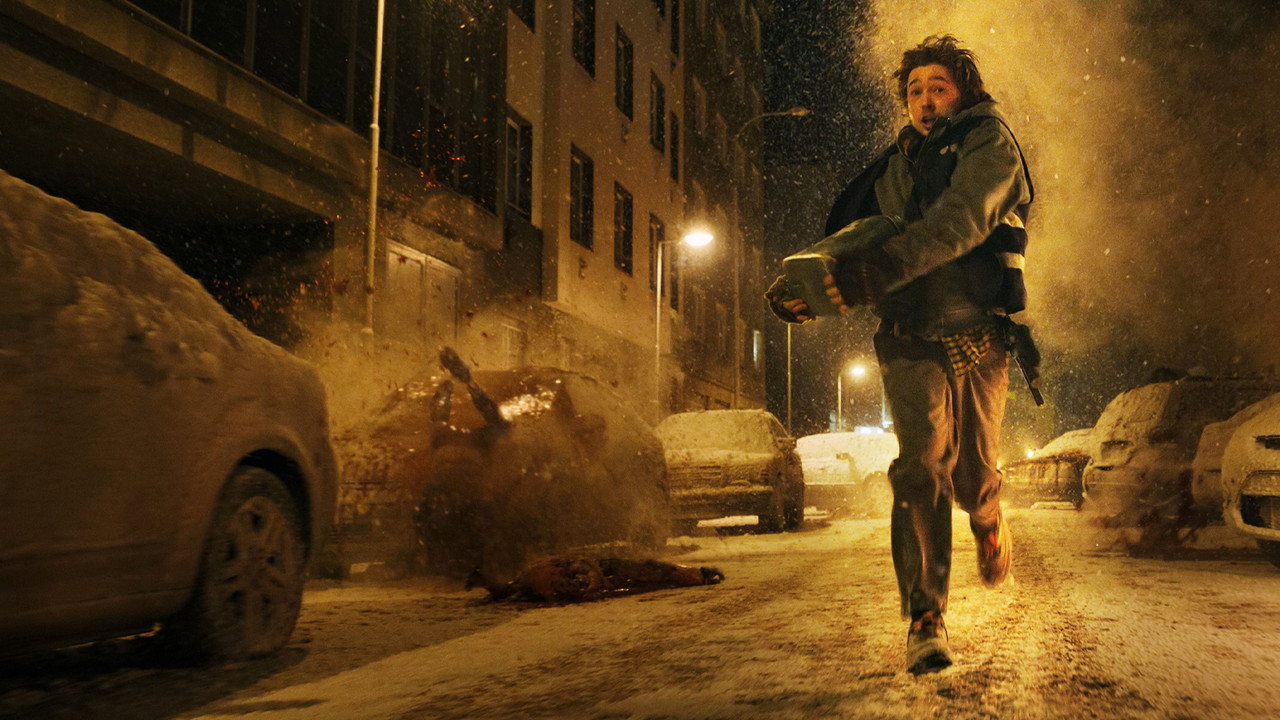
Everything about this Resident Evil is a reset. No Milla Jovovich as Alice. No ongoing saga across six films. No Raccoon City survived by heroics. The story opens at Samuels University, where a mysterious outbreak traps a group of students — including one named Jade — inside a building that’s quickly overrun. What follows is an R-rated fight for survival with body horror, practical effects, and a tone that’s closer to The Last of Us than to the Anderson films’ more pulp adventure sensibility.
That tonal shift appears to be exactly what audiences wanted. The Anderson films were always a mix of action, camp, and video game homage, but they also grew progressively stranger as the series went on. By Resident Evil: Retribution (2012), the franchise had ventured deep into parody territory — underwater cities, zombie sharks, and superpowered Alice. Even Resident Evil: Extinction (2007), which fans generally consider one of the stronger entries, leaned heavily into that sci-fi action framework. The 2026 version strips all of that away and goes back to something tighter and more grounded. And while Resident Evil: Retribution (2012) doubled down on the over-the-top direction with underwater cities and zombie sharks, the new film is essentially the tonal opposite — small-scale, claustrophobic, and far less interested in spectacle for its own sake.
Zack Cregger — who directed Terrifier 2 and Terrifier 3 to considerable success with audiences who appreciate unflinching horror — was an interesting choice to helm this. He knows how to stage suspense and violence without relying on the kind of polished, bland studio sheen that can flatten genre films. Reviews from Venice (where the film screened) described it as genuinely unsettling in a way the Anderson entries never were.
The Numbers in Context
To understand how big $108.3M is for a Resident Evil film, it helps to look at the franchise’s recent history. The last properly theatrical entry was Resident Evil: Welcome to Raccoon City in 2021, which opened to just $17 million worldwide — a quiet performance that effectively paused the franchise’s film ambitions. After that came Resident Evil: Death Island (2023), an animated CGI entry that went straight to Netflix rather than theaters. So this new film isn’t just beating the most recent entries; it’s doing so by a margin that suggests the brand still has serious box office power when the material connects.
The $108.3M figure also matters because Resident Evil is a known quantity with built-in awareness — the games have sold hundreds of millions of copies across every generation of console, and even people who’ve never played them recognize the name. Converting that awareness into a fresh opening after years away from theaters is genuinely difficult. Look at how many legacy horror and action franchises stumble when they try to reboot with a new creative team and a different cast. The Walking Dead — to take one obvious comparison — has never had a theatrical film, but its massive TV success didn’t automatically translate into another zombie franchise automatically thriving in cinemas.
For a franchise to have a new film crack $100M globally seven years after the last traditional theatrical entry, with zero carry-over from a previous installment’s momentum, is a real achievement.
Casting the New ‘Alice’
One of the smartest moves this film made was not trying to replace Milla Jovovich with a single comparable star. Instead, the cast is built around more recent, genre-credible names. Sena Panu stars as Jade, the new protagonist at the center of the Samuels University outbreak. Manohyl Bankolli co-stars, with Eliza Scanlen, Adeline Rudolph, and Drea de Matteo rounding out a cast that reads more like an indie horror ensemble than a blockbuster superteam.
That restraint is probably part of why the film works. Rather than trying to manufacture a new action-heroine who can carry a six-film arc, Cregger and his team built a survival story where the cast is allowed to be scared, effective, and human. Jade isn’t Alice 2.0 — she’s her own character in a story that doesn’t owe anything to the previous films’ mythology.
For an audience that’s watched a lot of high-budget genre content over the last decade — from The Last of Us on television to the multiplayer zombie catastrophe of Dead Island and countless other game adaptations — that kind of grounded, character-forward horror execution is a welcome change of pace. The Android zombie outbreak story at Samuels University gives the material an immediate, relatable setting rather than the sprawling, universe-spanning scope of earlier franchise entries.
What the Records Mean Going Forward
A franchise opening record is a good sign, but it’s worth being measured about what it actually means. Resident Evil has the kind of brand recognition that guarantees an audience — the question this opening answers is whether that audience is willing to follow the brand into something new. The $108.3M suggests yes, at least for a first weekend.
Whether the film holds well in its second weekend — a better indicator of whether a franchise reboot has staying power — will tell us a lot more about the long-term health of this version of the IP. But for now, the producers have everything they wanted from a debut: records broken, a strong global take, and a clean slate for whatever comes next.
For fans of zombie stories across all formats — games, TV series, and film — the message from this weekend is clear: the appetite for well-done horror hasn’t gone anywhere, and the Resident Evil name still carries weight when the creative team behind it understands what makes the property worth revisiting.
Sources
Box office figures via Deadline and Variety, September 20, 2026. Film details via The Movie Database (TMDB).
© Telepisodes [EST 2008 - 2018] Disclaimer | Sitemap | About | Blog | Use of this website constitutes acceptance of Telepisodes' Terms of Service and Privacy Policy.