Watch Series Online

Obsession Just Crossed $400 Million at the Global Box Office — Here’s How a $750K Horror Film Became a $400 Million Phenomenon
“Obsession” has done it again. The indie horror breakout that refuses to stop climbing has crossed another staggering milestone: $400 million at the global box office. According to Variety, the film has grossed $403 million worldwide, including $245 million domestically and $157 million from international markets — all from a production budget of just $750,000.
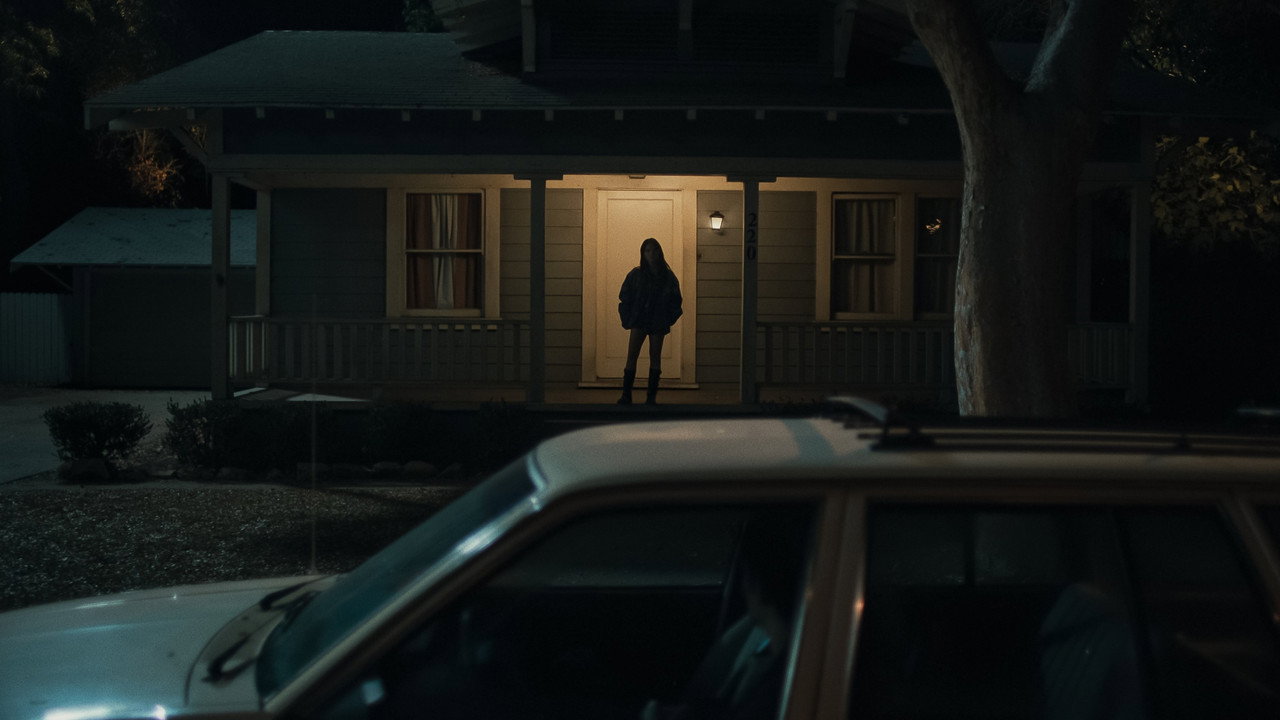
Let that sink in for a second. A movie that cost less than a modest house in Los Angeles has earned more than 530 times its budget at the global box office. It is, by any measure, one of the most profitable films ever made.
Table of Contents
How Did We Get Here?
Released quietly in mid-May with almost no marketing push, Obsession became the kind of word-of-mouth phenomenon that Hollywood dreams about but rarely sees anymore. The horror-thriller tells the story of a hopeless romantic who breaks a mysterious “One Wish Willow” to win his crush’s heart, only to discover that some desires come at a dark and sinister price. It’s a simple, effective premise that resonated with audiences in a way that few original films manage.
The film opened modestly but picked up steam through social media buzz, TikTok clips, and genuine audience enthusiasm. By its fourth weekend, it had crossed $200 million globally. By week six, it had become the highest-grossing film in Focus Features’ history, surpassing previous records held by more established titles.
Now, after two months in theaters, Obsession sits at $403 million — and it’s still playing in many markets. The film has already surpassed The Blair Witch Project as the highest-grossing film festival acquisition of all time, a record that had stood for over two decades.
What Makes Obsession Different?
In an era where most box office success stories belong to franchise installments, superhero movies, and established IP, Obsession stands out as a genuinely original film. It has no pre-existing fanbase, no famous source material, and no A-list stars attached. What it has is a hook that grabs you and a word-of-mouth engine that does the rest.
The film’s success echoes the trajectory of other indie horror breakouts. Like The Blair Witch Project, Paranormal Activity, Get Out, and Talk to Me, Obsession proves that horror remains the one genre where a great idea and smart execution can compete with $200 million blockbusters. Audiences are hungry for fresh scares — and they’ll find them even without a studio marketing machine behind the release.
What’s particularly striking about Obsession is its rare 8.2 rating on TMDB and strong audience scores across platforms. This isn’t a case of a so-bad-it’s-good curiosity drawing crowds. People genuinely love this movie. They’re recommending it to friends, watching it multiple times, and driving repeat business that keeps its box office run alive week after week.
A $400 Million Milestone and What It Means
Crossing $400 million is rare for any horror film. Only a handful of horror titles have ever reached that threshold worldwide — films like Get Out, A Quiet Place, Hereditary, and the Conjuring franchise entries. For a completely original, micro-budget indie to join that club is almost unprecedented in modern Hollywood.
The milestone also marks a significant moment for Focus Features. The specialty studio, known for award-season prestige films and thoughtful indies, now has the biggest hit in its history — and it’s a blood-soaked horror movie. It’s a reminder that even in the streaming era, theatrical distribution can still produce staggering returns when the right movie connects with the right audience.
For independent filmmakers, Obsession is a beacon of hope. It proves that you don’t need a $200 million budget, a pre-sold franchise, or global brand recognition to reach audiences worldwide. You need a compelling story, a strong concept, and the kind of gut-level emotional hook that makes people tell their friends, “You have to see this.”
The Indie Horror Boom Continues
Obsession‘s success comes during a remarkable run for original horror. 2026 has already seen Backrooms become another breakout hit, while the genre continues to dominate social media conversations and streaming charts. The lesson for Hollywood is becoming harder to ignore: horror audiences are underserved, and they reward originality.
Studios have taken notice. The greenlight process for original horror pitches has accelerated across every major studio, and the success of Obsession will likely accelerate that trend. But the real winners are moviegoers, who get to reap the benefits of a genre renaissance that shows no signs of slowing down.
The Bottom Line
Obsession crossing $400 million on a $750,000 budget isn’t just a box office story — it’s a case study in what makes cinema magical. It’s the kind of outlier success that reminds you why the movie business exists in the first place: to take a great idea, put it in front of an audience, and let human beings decide what matters to them.
Obsession vs. the Streaming Narrative
There’s been a lot of hand-wringing in Hollywood about whether theatrical exhibition is dying. Streaming numbers are up, theater attendance for mid-budget films is down, and every week brings another article about how “the movies are dead.” Obsession is the counterargument to all of that.
This is a film that built its success entirely in theaters. No day-and-date streaming release. No major studio marketing push. Just audiences showing up, telling their friends, and showing up again. It’s proof that theatrical isn’t dead — it’s just that the movies competing for attention have to earn it.
The film’s performance is also a reminder that the streaming-first strategy has a blind spot. Netflix, Max, and Prime Video are spending billions on content that disappears into algorithm-driven libraries. Obsession is the kind of lightning-in-a-bottle success that only happens when a movie has time to breathe in theaters and find its audience organically.
What’s Next for the Filmmakers
The team behind Obsession — director, writers, and producers — have gone from unknown quantities to the hottest names in independent film virtually overnight. Every studio in town is likely circling them for their next project. The question is whether they’ll take the traditional route (bigger budget, bigger studio, bigger expectations) or double down on the micro-budget approach that made Obsession work.
History suggests caution is warranted. The indie horror graveyard is full of directors who followed a breakout hit with a misfire, often because they were given too much money and not enough creative freedom. But if Obsession‘s team can bottle whatever magic made this film connect with audiences, their next project — whatever it is — will have an audience waiting.
For Focus Features, the calculus is simpler. The studio that distributed Obsession has the most profitable film in its history on its hands. The specialty label, which has traditionally been associated with prestige dramas and Oscar contenders, just proved it can play the commercial game too. Smile proved a similar formula just a few years ago, and Obsession has taken that model to an entirely new level. Don’t be surprised if Focus’s acquisition team is aggressively pursuing every horror script at the next film festival.
The Bottom Line
Obsession crossing $400 million on a $750,000 budget isn’t just a box office story — it’s a case study in what makes cinema magical. It’s the kind of outlier success that reminds you why the movie business exists in the first place: to take a great idea, put it in front of an audience, and let human beings decide what matters to them.
If you haven’t seen Obsession yet, it’s still playing in theaters nationwide. Just don’t blame us if you think twice before breaking any mysterious willow branches afterward.
© Telepisodes [EST 2008 - 2018] Disclaimer | Sitemap | About | Blog | Use of this website constitutes acceptance of Telepisodes' Terms of Service and Privacy Policy.