Watch Series Online

Netflix Paid $587M for Ben Affleck’s AI Filmmaking Startup — What It Means for Streaming
The streaming giant dropped a bombshell in a new SEC filing: it paid $587 million in cash to acquire InterPositive, the AI filmmaking startup co-founded by Ben Affleck. The deal, first announced back in March without financial terms, is now confirmed as one of the biggest AI acquisitions tied to Hollywood talent — and it tells us a lot about where Netflix is steering the future of content production.
Table of Contents
What Exactly Is InterPositive?
InterPositive isn’t some vague AI pipe dream. According to Affleck’s own statement at the time of the acquisition, the startup builds tools that help filmmakers fix real-world production problems in post-production. We’re talking about salvaging missing shots, replacing awkward backgrounds, correcting lighting imbalances — the kind of headaches that turn a four-week shoot into a six-week nightmare.
Affleck framed it as a way to “protect the power of human creativity” by removing technical friction that gets between a director’s vision and the final frame. Instead of rescheduling an entire cast for a pickup shot that costs six figures, the AI can reconstruct or replace the problematic element in the editing room. It’s the difference between “we’ll fix it in post” being a joke and being a practical reality.
$587 Million — What Netflix Actually Bought
The price tag raised eyebrows when Bloomberg first floated the $600 million figure back in March. Now that the SEC paperwork is public, we know it’s $587 million in cold, hard cash. That’s a serious bet, even for a company that spends $17 billion a year on content.
What Netflix got for that money is the entire InterPositive team — engineers, researchers, creatives who’ve been building these tools from the ground up — plus Affleck himself as a senior advisor. It’s a talent acquisition wrapped in a tech acquisition. The tools themselves are valuable, sure, but the institutional knowledge of how to make AI work for narrative storytelling is the real prize.
And Netflix has already been putting generative AI to work. In its most recent earnings report, the company revealed that around 300 of its titles have already used generative AI in some capacity. That number is only going to climb now that they own the tools outright rather than licensing them from third parties.
What This Means for Netflix Originals
This isn’t Netflix’s first AI move, but it’s by far the most significant. Owning the post-production AI pipeline means every Netflix original — from the next season of hit shows to original films — gets access to tools that shave days or weeks off the editing process.
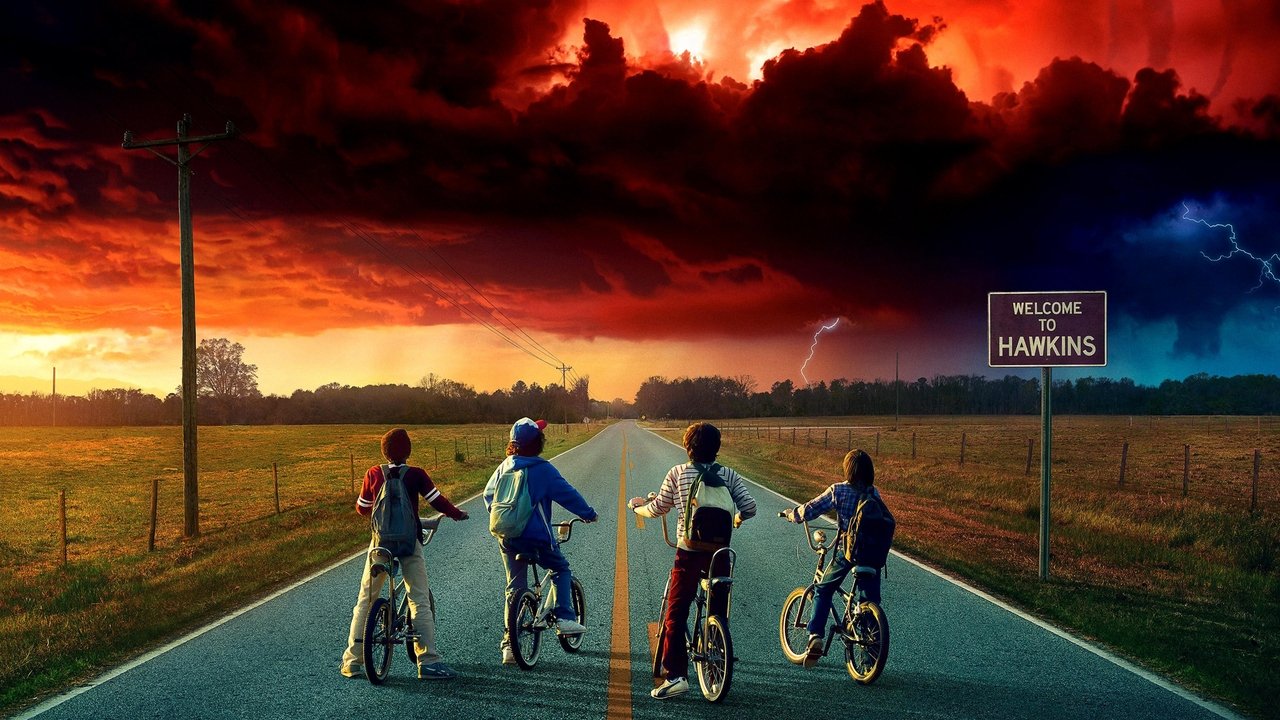
For a platform that releases hundreds of hours of original content every month, those savings add up fast. A show like Stranger Things, with its massive VFX budget and complicated production schedule, could benefit enormously from AI-assisted post-production. Same goes for Squid Game, which already required intricate set design and visual storytelling that could be enhanced without rebuilding entire sound stages.
The efficiency gains also mean Netflix can take more creative risks. When you can fix a problematic scene in software rather than calling everyone back for reshoots, greenlighting ambitious projects becomes less of a financial gamble.
Ben Affleck’s Hollywood-Tech Hybrid Career
Affleck has been straddling the Hollywood-tech line more than most people realize. He’s not just an actor who shows up, collects a paycheck, and leaves. The man has directed Oscar winners (Argo), written award-caliber scripts (Good Will Hunting), and now he’s helping build the technological infrastructure of the world’s biggest streaming platform.
His statement about “protecting human creativity” while selling an AI company might sound contradictory on the surface, but there’s logic to it. If AI is coming to Hollywood — and it definitely is — Affleck’s argument is that artists should own the tools rather than fight them. By bringing InterPositive inside Netflix, the technology gets developed with storytellers in the room, not in a Silicon Valley vacuum.
The Bigger Picture: AI and Hollywood’s Uneasy Relationship
The $587 million check is landing at a moment when the relationship between AI and Hollywood is more tense than ever. The 2023 writers’ and actors’ strikes had AI protections as a central issue. Questions about digital replicas, synthetic performances, and whether studios can train models on existing work without permission are still being fought out in contracts and courtrooms.
Netflix’s InterPositive acquisition sidesteps some of those landmines by focusing on post-production rather than performance generation. Fixing a poorly lit scene or removing a stray microphone boom from frame isn’t replacing an actor’s job — it’s making the editor’s job easier. That’s a much easier sell to unions and creative talent than “we’re going to generate digital actors.”
But the line will blur. Once you have AI tools that can reconstruct a missing shot, the next logical step is generating shots that were never filmed. Studios will want that capability. The question is whether the guardrails Affleck talks about will hold as the technology accelerates.
Shows like Wednesday and One Piece, both massive Netflix hits with heavy visual elements, represent the kind of content where these tools will be most transformative. The ability to iterate on visual effects without blowing the budget could mean more ambitious, visually rich storytelling across the board.
What About Other Streaming Platforms?
Netflix’s move puts pressure on competitors. Disney+, HBO Max, Amazon Prime Video, and Apple TV+ all have their own production pipelines, and they’re all watching this acquisition closely. If Netflix can consistently deliver higher-quality content faster and cheaper because of its AI tools, the rest of the industry will have to respond.
We’re already seeing Disney invest heavily in AI research, and Amazon has been building its own machine learning infrastructure for years. But Netflix just made the most concrete move by acquiring a working product with a Hollywood pedigree attached. It’s not a lab experiment — it’s a production tool that’s already being used.
And let’s be honest: if you’re a showrunner pitching a series to Netflix versus a competitor, the ability to say “we have tools that can fix any production problem in post” is a serious advantage. It lets creators dream bigger without the budget department panicking.
The Streaming AI Arms Race
Netflix’s $587 million bet on Affleck’s InterPositive is more than just a line item in an SEC filing. It’s a signal that the streaming wars are entering a new phase — one where technological infrastructure matters as much as content spending.
The company that can produce more, better, faster content wins. And right now, Netflix just put itself in the driver’s seat by owning the AI tools that make that possible. Shows like Bridgerton, which already runs a tight production schedule between seasons, could see faster turnarounds. The ripple effects will be felt across the entire industry.
Ben Affleck might have walked away with half a billion dollars, but Netflix walked away with something potentially more valuable: the ability to reshape how television and film are made.
© Telepisodes [EST 2008 - 2018] Disclaimer | Sitemap | About | Blog | Use of this website constitutes acceptance of Telepisodes' Terms of Service and Privacy Policy.