Watch Series Online

The Binge Model Is Failing Netflix — And TikTok Is the Real Reason Why
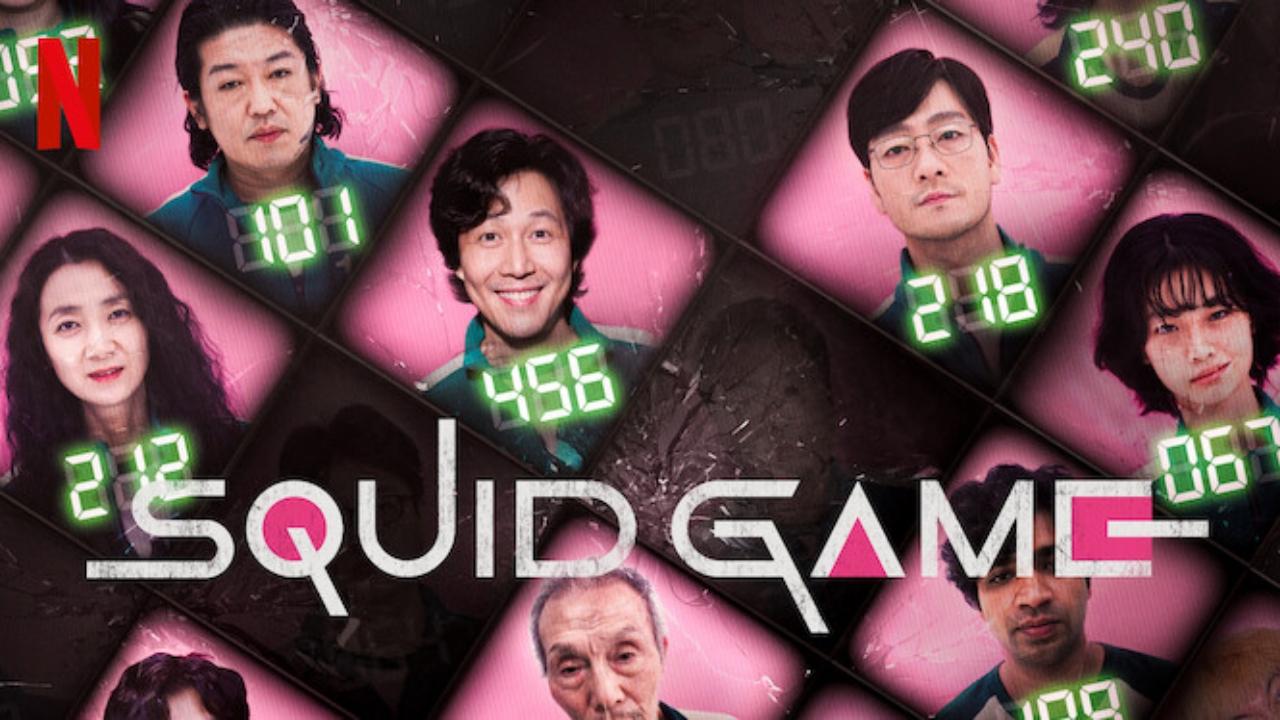
Table of Contents
The Numbers Don’t Lie
A Bloomberg report released this week dropped a data point that should make every Netflix executive lose sleep: viewers are abandoning the platform’s biggest shows after just one season, and the trend is accelerating. The same streaming service that changed how the world watches television — the company that made “binge-watching” a verb — is now watching its audience treat its flagship productions like disposable content, consumed and discarded before the credits even roll on a second season.
The reasons aren’t hard to identify, and they’re almost entirely self-inflicted.
Netflix cancels shows at a rate that makes viewers gun-shy about investing emotional energy. Shows get greenlit, generate buzz, drop an eight-episode season, and then vanish — sometimes before audiences even realize they existed. The gaps between seasons have stretched from the traditional 12 months to two years, sometimes three. Stranger Things, one of Netflix’s crown jewels, took three years between its third and fourth seasons. By the time the new episodes arrived, a significant portion of the audience had simply moved on. The same pattern repeats across shows like Bridgerton, The Witcher, and The Crown — premium productions that lose momentum during punishing production gaps.
And much of Netflix’s output, if we’re being honest, feels designed by committee. The algorithm says people who watched Show A also watch Show B, so Netflix greenlights something that’s 70% Show A and 30% Show B and hopes nobody notices. Audiences notice. They finish the first season, shrug, and scroll to the next thing.
Streaming Won the War Against TV — And Lost the War for Attention
The deeper problem, though, isn’t just Netflix’s execution. It’s that Netflix won the battle it was designed to fight, only to discover the battlefield had shifted underneath it.
When Netflix dropped the entire first season of “House of Cards” in February 2013, it was a genuine revolution. No commercials. No waiting a week between episodes. Watch as much as you want, whenever you want. The binge model was built to compete with broadcast and cable TV — and it worked spectacularly. In June 2025, Nielsen announced that streaming had officially eclipsed both broadcast and cable viewing combined. Netflix had beaten its original competition so thoroughly that the victory barely made headlines.
But winning that war created a new problem: Netflix is no longer competing with NBC. It’s competing with TikTok.
The data on this is staggering. According to eMarketer, US adults already spent an average of 62.1 minutes per day on Netflix in 2024 — and 58.4 minutes on TikTok. The Financial Times reported that globally, TikTok users averaged 95 minutes per day on the app, the highest engagement rate among major social platforms. And in a report released this year by Digital i, YouTube officially surpassed Netflix in average daily viewing time for the first time: 99.1 minutes to Netflix’s 93.4.
Let that sink in. YouTube — a platform where the most popular videos are often someone talking into a webcam — now commands more daily attention than the company that spent $17 billion on content last year.
The Microdrama Gold Rush
While Netflix was perfecting the prestige drama, an entirely new category of entertainment was exploding in plain sight. Microdrama apps — platforms that serve up serialized stories in 60-90 second episodes — are generating billions in revenue by doing the opposite of everything Netflix stands for.
ReelShort, the leading microdrama app, pulled in roughly $1.2 billion in gross consumer spending in 2025, a 119% increase from the year before. DramaBox, another major player, generated $276 million — more than doubling its 2024 numbers. These are numbers that make even Netflix’s $39 billion in annual revenue look less invincible than it used to, because the trajectory matters more than the absolute amount. Microdramas are growing at triple-digit rates. Netflix’s subscriber growth is flattening.
Even TikTok itself acknowledged the threat by quietly launching a microdrama app called PineDrama earlier this year. The format isn’t a fad. It’s a structural shift in how people — particularly younger audiences — consume narrative entertainment. A story you can finish during your commute has an inherent advantage over one that asks you to commit 10 hours across a weekend.
Netflix Knows It’s in Trouble
Netflix is not sitting still, to its credit. The company added a TikTok-style vertical video feed called “Clips” in April, letting users scroll through short snippets pulled from its show catalog. It’s been experimenting with weekly release models for some shows — “Love Is Blind” drops episodes in batches, turning the dating show into genuine watercooler conversation material for weeks at a time. This week, Netflix announced a batch of publisher deals with BuzzFeed, Condé Nast, Variety, and Rolling Stone to bring 2-to-20-minute videos directly onto the platform starting August 3.
These are all moves in the right direction, but they share a common flaw: they treat short-form content as a gateway to long-form content, rather than as a destination in its own right. The Clips feed is designed to make you discover a show to binge. The publisher deals fill gaps between bigger releases. Neither fully embraces the possibility that, for a growing number of viewers, the short stuff is the main event.
There’s a version of Netflix that could genuinely compete here. Competition shows like “Nailed It” and “Is It Cake?” are already structured in a way that breaks naturally into shorter segments. The platform’s massive library of stand-up comedy could be recut into digestible clips that work as standalone entertainment. Netflix could even produce its own microdramas — and given the production quality of the current market leaders, a Netflix-produced microdrama with actual acting and writing would instantly be the best thing in the category.
What Happens Next
The Bloomberg data doesn’t mean Netflix is dying. It’s still the world’s most popular paid streaming service with over 300 million subscribers. Shows like Squid Game and Ozark have proven that the platform can still generate genuine cultural moments that break through the noise.
But the data does suggest that the Netflix model — drop a full season, hope it catches fire, repeat — is no longer the competitive advantage it once was. When completion matters more than commitment, when finishable stories beat endless sagas, when TikTok and YouTube command more daily attention than any streaming service, the old playbook stops working.
Netflix has transformed itself before. It went from DVD-by-mail to streaming. From licensing other studios’ content to producing its own. From a US-only service to a global platform. Each of those pivots seemed impossible until they weren’t.
The next transformation — from a binge platform to something more flexible, more varied, and more aware that its competition wears a TikTok logo — may be the hardest one yet. Because it requires Netflix to admit that its defining innovation, the thing that made it famous, might now be the thing holding it back.
© Telepisodes [EST 2008 - 2018] Disclaimer | Sitemap | About | Blog | Use of this website constitutes acceptance of Telepisodes' Terms of Service and Privacy Policy.