Watch Series Online

Netflix Is Planning Always-On Live TV Channels — What This Means for Your Binge-Watching Habits
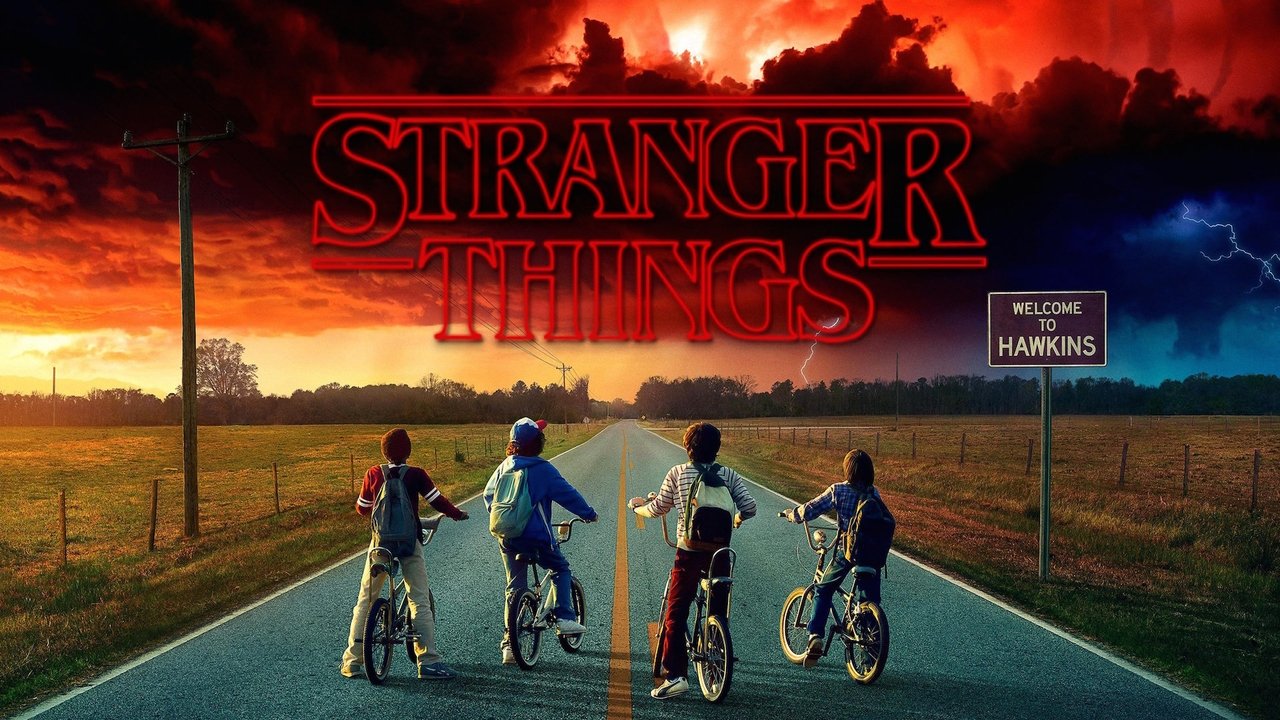
Table of Contents
Netflix Is Plotting a Major Shift — Always-On Live Channels Could Change How We Watch
Netflix built its empire on one simple promise: watch what you want, when you want. But a new report suggests the streaming giant is exploring something that sounds suspiciously like the TV experience it promised to kill.
According to The Wall Street Journal, Netflix is in early discussions about launching “always-on” live channels that would stream content continuously — giving subscribers something to tune into 24/7, just like traditional television. Think less “binge the entire season in one weekend” and more “flip on Stranger Things channel and let it run while you do the dishes.”
This isn’t a small experiment. It represents a fundamental rethinking of how Netflix views engagement. For years, the company’s north star was “giving people control over what they watch.” Always-on channels flip that philosophy entirely — instead of letting you choose, Netflix would curate a linear feed and ask you to just stay tuned.
Why Netflix Is Rethinking the Binge Model
The numbers tell the story. Netflix’s share of total TV viewing has slipped to 7.8% as of April, according to Nielsen data. And Bloomberg recently reported that the company has become increasingly concerned about audience declines between the first and second seasons of many of its original shows. The binge model works brilliantly for launching a hit — but it struggles to keep audiences engaged between seasons.
Always-on channels solve a different problem. They’re not about getting you to watch a specific show. They’re about getting you to keep the app open. A channel running in the background — whether it’s streaming reality competition shows, classic sitcoms, or nature documentaries — keeps Netflix top of mind in a way that a static library doesn’t.
This would also put Netflix in more direct competition with free, ad-supported streaming services like Pluto TV and Tubi, which have quietly carved out a massive audience by offering exactly this kind of lean-back experience. The key difference? Netflix would serve ads on these channels, giving its growing ad business a significant boost. Live programming typically doesn’t allow viewers to skip commercials, making ad inventory more valuable.
Netflix Is Already Testing the Waters
The always-on channels story isn’t happening in a vacuum. Netflix has been experimenting aggressively with new formats. Earlier this month, the company announced short-form video deals with publishers like Variety. It has doubled down on video podcasts through its iHeartMedia partnership. And just this week, reports emerged that Netflix is in talks to acquire Letterboxd, the social platform for movie fans.
The common thread? Netflix is terrified of becoming a destination you visit only when a new season drops. It wants to be a daily habit — the way YouTube is a daily habit, the way TikTok is a daily habit. Always-on channels are just the most dramatic version of that strategy.
If you’ve been following streaming trends, you know this shift has been building for a while. I wrote about how Harlan Coben’s I Will Find You became Netflix’s biggest new series debut of 2026 — a show that proved appointment viewing still matters even in the streaming era. The always-on channels strategy takes that logic and runs with it.
What About Bundles?
The WSJ report also notes that Netflix is exploring streaming bundles, similar to what Apple and Amazon already offer. Peacock is reportedly among the services being discussed as a potential partner. This would be a major departure for Netflix, which has historically insisted on being a standalone destination. If Netflix starts bundling other services, it signals that the company no longer believes its library alone is enough to keep subscribers paying month after month.
It’s a admission that the streaming landscape has fundamentally changed. When Netflix had Stranger Things as its exclusive tentpole and virtually every movie studio licensing content to it, the library was undeniable. But now that every studio has its own service, Netflix needs to fight harder for your attention — and your subscription dollar.
The Bigger Picture
All of these moves — always-on channels, bundles, short-form video, gaming, live sports — point to a Netflix that’s no longer content to just be the world’s biggest streaming library. It wants to be a media ecosystem. The question is whether subscribers want that.
There’s a real risk here. Netflix’s core appeal has always been simplicity: pay one price, get unlimited access, watch on your terms. Adding live channels, bundles, and multiple content formats risks making the service feel cluttered. But the alternative — doing nothing while engagement declines — might be worse.
For now, these are just discussions. Nothing has been finalized. But the direction is clear: Netflix is preparing for a future where binge-watching isn’t enough, and it’s willing to borrow from the old TV playbook to get there.
The broader context matters here too. Netflix has been quietly building a gaming division, launching a standalone kids’ gaming app earlier this year. It’s been investing in live sports, locking down Christmas Day NFL games and a multi-year deal with World Wrestling Entertainment. It’s even exploring how to make video podcasts stick. Each of these moves targets a different kind of viewer attention — and always-on live channels would tie them all together under one roof.
For subscribers, the bottom line is this: Netflix is about to look very different from the service you signed up for five years ago. Whether that’s a good thing depends on whether you see linear channels as a convenience or a step backward. Personally, I think the line between streaming and traditional TV has been blurring for years — and this might be the push that finally erases it for good. The next twelve months will tell us whether viewers are ready to trade control for convenience, and whether Netflix can pull off both at once. If you’re curious about how other streaming platforms are evolving, Black Mirror has been eerily prescient about where this all leads — and I don’t think that’s accidental.
© Telepisodes [EST 2008 - 2018] Disclaimer | Sitemap | About | Blog | Use of this website constitutes acceptance of Telepisodes' Terms of Service and Privacy Policy.