Watch Series Online

Netflix Is Using an AI Gene Wilder Voice for Its Wonka Reality Show — And the Internet Has Thoughts
The Teaser That Launched a Thousand Arguments
On Monday, Netflix dropped the first teaser for Wonka’s The Golden Ticket, a reality competition series set to premiere September 23. Twelve contestants. One chocolate factory. The childhood dream of finding a golden ticket, brought to life. On paper, it sounds like exactly the kind of escapist programming that dominates streaming charts.
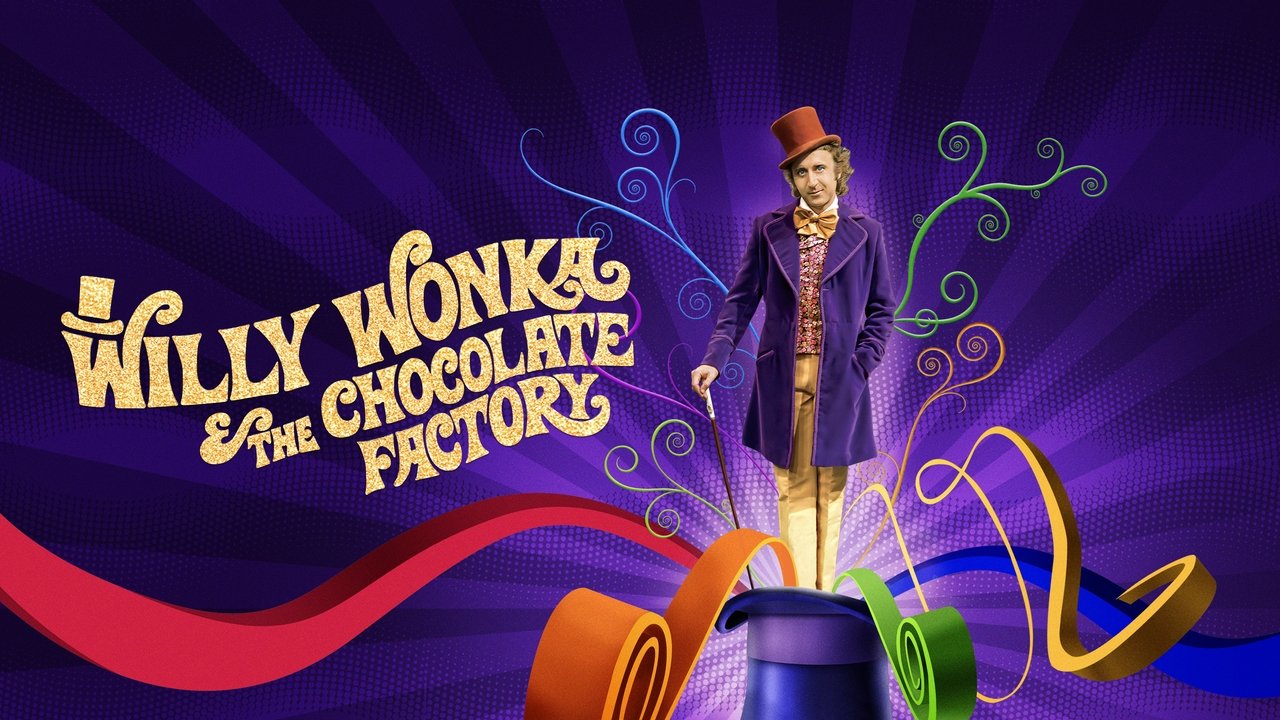
But the teaser did something that transcended the usual “here’s our new show” cycle. It featured the voice of Gene Wilder — the beloved actor who originated the role of Willy Wonka in the 1971 classic Willy Wonka & the Chocolate Factory and who died in 2016 at age 83. His voice, unmistakably warm and sly, narrates the teaser. The only catch: it’s not actually him. It’s an AI recreation, built by ElevenLabs with permission from Wilder’s estate.
The internet, predictably, had thoughts. Kotaku called it “the future is terrible.” Vulture labeled it “the saddest real-life Wonka experience yet.” And thousands of fans — the same people who grew up watching Wilder’s Wonka on VHS — found themselves confronting a deeply uncomfortable question: just because you can resurrect a dead actor’s voice, does that mean you should?
The Permission Problem
Let’s start with what makes this case different from the usual AI ethics panic. Netflix and Eureka Productions didn’t just grab Wilder’s voice and hit “generate.” They secured permission from Wilder’s estate. His widow, Karen B. Wilder, said she was “delighted” that her late husband’s voice would reach a “new generation.” They worked with ElevenLabs, the same AI audio company that has previously recreated voices for Stan Lee and Michael Caine with estate consent.
This isn’t a deepfake. It’s not a theft. By the legal and contractual standards that govern these things, every box has been checked. And yet — the visceral discomfort is real, and it’s worth sitting with.
Because here’s the thing about Gene Wilder’s Wonka: it wasn’t just a performance. It was a singular creation that emerged from a specific human being at a specific moment. Wilder famously agreed to take the role on one condition — that his first appearance show him hobbling out of the factory with a cane, only to somersault forward at the last second. “From that point on,” he explained, “no one will know if I’m lying or telling the truth.” That detail wasn’t in the script. It came from Wilder’s own imagination, his understanding of character, his willingness to push for something strange. An AI can mimic his voice. It cannot make that choice.
The Reality Competition Parallel
What makes this doubly strange is the format itself. The Golden Ticket is part of a growing trend — Netflix turning beloved fictional properties into real-world competition shows. Squid Game: The Challenge did it first, transforming the dystopian death-game satire into a (non-lethal) reality competition with a $4.56 million prize. It was a massive hit, and it proved that audiences will show up for the brand recognition even when the format is completely different from the source material.
Squid Game the drama was a brutal commentary on capitalism. Squid Game the reality show was capitalism with better production values. The irony was baked in from the start. With Wonka, the gap between source and adaptation is even wider. The 1971 film is, at its core, a morality play about the dangers of greed, entitlement, and treating other people as means to an end. A reality competition that dangles a golden ticket in front of contestants — come on, that’s exactly what the movie was satirizing.
AI in Entertainment: The Floodgates Are Open
The Wonka show doesn’t exist in a vacuum. It lands in the middle of a summer where AI’s role in Hollywood has become the defining creative tension of the industry. A24 just took $75 million from Google DeepMind to explore AI-powered filmmaking. Martin Scorsese’s use of AI in post-production drew a public rebuke from the Art Directors Guild. The UK’s BBFC just used AI to classify HBO Max’s entire library — and reported that it worked better than expected.
This is the landscape Wonka’s The Golden Ticket enters. It’s not just a reality show; it’s a test case. If audiences accept an AI-recreated Wilder voice as charming nostalgia rather than digital necromancy, it opens the door wider for every other beloved character and actor. If they reject it — and the early reaction suggests significant pushback — it becomes a cautionary tale that every studio will study before their next AI-powered project.
Black Mirror has spent six seasons exploring exactly these questions — digital consciousness, resurrected identities, the ethics of using technology to blur the line between life and death. The fact that Netflix is simultaneously the home of Black Mirror and the company greenlighting an AI Gene Wilder voice feels almost too on-the-nose to be real. Charlie Brooker couldn’t write this. Actually, he probably could, and that’s exactly the point.
The Viewers’ Verdict
Here’s what we actually know about the show itself, beyond the AI controversy: it premieres September 23 on Netflix. Eureka Productions, the company behind it, has a solid track record in unscripted programming. Twelve contestants will compete in challenges inspired by the Wonka universe. The chocolate factory has been recreated — reportedly using a mix of practical sets and, yes, some AI-generated visuals in the teaser.
Will people watch? Almost certainly. Controversy drives curiosity, and curiosity drives views. Stranger Things proved that Netflix can turn nostalgia into the biggest show on the planet without desecrating anyone’s memory. The difference here is that Stranger Things built something new on the foundation of old influences, while The Golden Ticket is directly repurposing a specific, treasured artifact.
The ultimate judgment won’t come from critics or Twitter. It’ll come from whether audiences feel like the show honored what made Gene Wilder’s Wonka special, or whether it simply used his voice as a marketing gimmick. If the series has genuine charm, genuine imagination, genuine weirdness — the qualities Wilder himself insisted on — the AI voice might end up being a footnote rather than the headline. If it’s just another reality competition with a famous IP slapped on top, no amount of AI magic can save it.
Either way, we’ll find out on September 23. And somewhere, a golden ticket is waiting.
Sources: Variety, Deadline, The Hollywood Reporter, Kotaku, Vulture, TVLine. Images via TMDB.
© Telepisodes [EST 2008 - 2018] Disclaimer | Sitemap | About | Blog | Use of this website constitutes acceptance of Telepisodes' Terms of Service and Privacy Policy.