Watch Series Online

The Muppets Turn 50: How a Nearly-Impossible Variety Show Became a Global Phenomenon
Fifty years ago, a frog, a pig, a bear, and a Gonzo walked into a television studio and changed entertainment forever. The Muppet Show premiered in the United Kingdom on September 5, 1976, and within a year it had been picked up by more than 100 countries, amassing a global audience of over 200 million viewers. Half a century later, Kermit the Frog and his felt-and-foce family remain one of the most beloved acts in the history of the medium. But the road from a puppet workshop in Maryland to a syndicated global phenomenon was anything but smooth. The Muppets, it turns out, nearly didn’t get made at all.
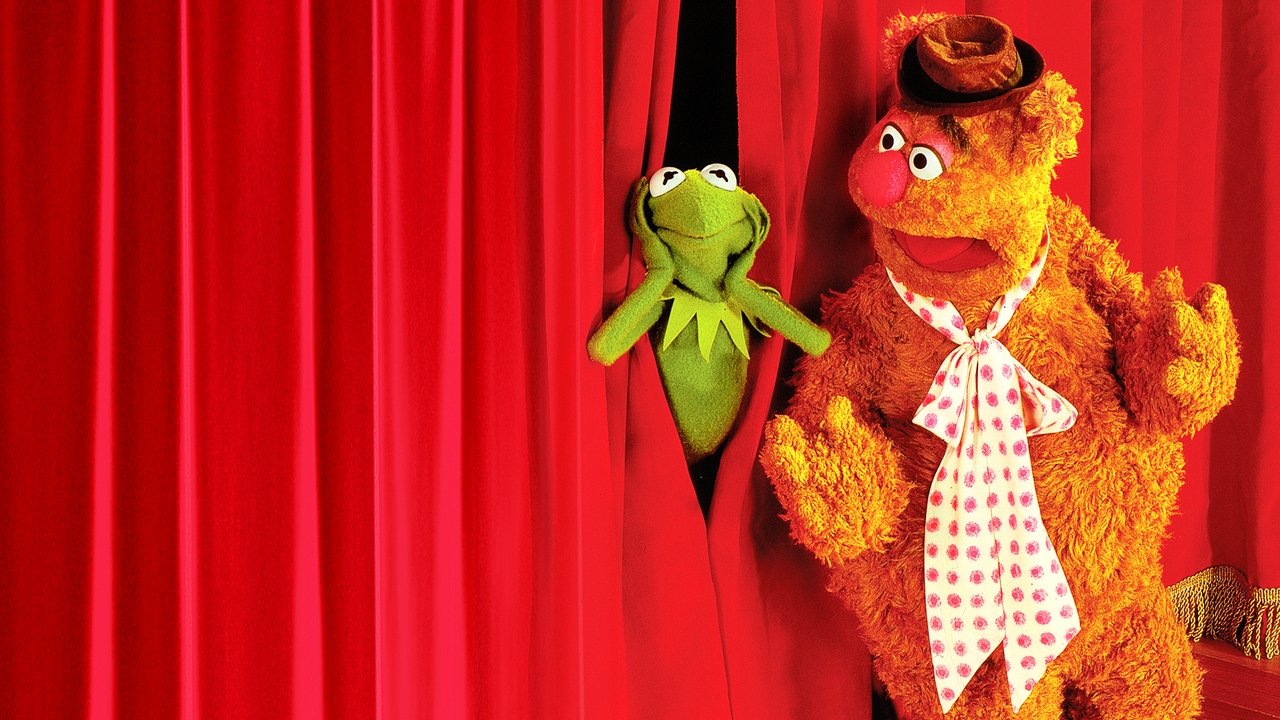
Table of Contents
From Sam and Friends to Sesame Street
Jim Henson’s journey into puppetry began long before Kermit ever croaked his first “hi-ho.” In 1955, Henson and his future wife Jane Nebel created Sam and Friends, a short sketch show that aired on WRC-TV in Washington, D.C. It was there that a primitive version of Kermit first appeared — not yet a frog, but a lizard-like puppet made from one of Henson’s mother’s old coats and a ping-pong ball cut in half for eyes.
The 1960s brought Henson to Sesame Street, where his Muppet characters became fixtures of children’s television. But Henson chafed at being typecast as a kids’ performer. He wanted to make a show that adults would love — something with the energy of Your Show of Shows and the anarchy of Monty Python. He wanted a variety show where puppets sang, danced, told jokes, and broke the fourth wall. In 1974, he began developing what would become The Muppet Show.
The Show That Almost Wasn’t
ABC passed on two pilots. CBS showed some interest in further development but ultimately went nowhere. Henson was stuck — a visionary creator with a drawer full of characters and no network willing to take the risk. The problem, as Henson saw it, was that American executives couldn’t see past the word “puppet.” Children’s television was for children. A prime-time variety show starring felt characters sounded like a novelty act, not a legitimate series.
Salvation came from an unlikely source: Lew Grade, a British television producer and head of ATV. Grade saw the potential in Henson’s concept and offered $125,000 for a 30-minute episode — a “spectacular amount of money” in 1976, as Muppet historian Karen Falk puts it. The catch: the show had to be produced in the United Kingdom. Henson agreed, setting up shop at ATV’s Elstree Studios near London. He ended up living on a road called Frognal Gardens — a detail that still delights Muppet fans for its absurdly British propriety.
The gamble paid off almost immediately. A February 1976 edition of Variety reported from the NATPE television conference in San Francisco under the headline “Muppet Mops Up”: The Muppet Show had sold to 60 markets before the convention even opened. By the end of its first season, 14 million viewers were tuning in weekly.
Five Seasons of Controlled Chaos
From 1976 to 1981, The Muppet Show produced 120 episodes across five seasons, each one structured as a variety show set in the fictional Muppet Theatre. Kermit the Frog served as the beleaguered host and showrunner, trying to keep order while everything — and everyone — conspired to throw the production into chaos. Miss Piggy demanded diva treatment. Fozzie Bear told jokes that only his mother would love. Gonzo attempted increasingly dangerous stunts. And in the orchestra pit, Statler and Waldorf heckled from their balcony seats.
The format was revolutionary for its time. Muppets could sing, dance, do comedy sketches, and interact with human guest stars on equal footing. Each week brought a new celebrity — Steve Martin, Elton John, Diana Ross, Christopher Reeve, Raquel Welch — who willingly subjected themselves to the Muppets’ particular brand of affectionate mockery. The show won four Emmy Awards during its original run and became one of the most widely syndicated programs in television history.
The show’s success extended beyond television. The Muppets (2011) introduced the characters to a new generation, earning over $165 million worldwide and winning an Oscar for Best Original Song (“Man or Muppet”). The 2014 sequel, Muppets Most Wanted, sent the gang on a European caper that proved the formula still had legs.
Empire, Collapse, and a Disney Revival
While the Muppets were conquering television, the business side of the franchise took a turbulent turn. In 2000, the Henson family sold the Muppet properties to German media company EM.TV & Merchandising AG for $680 million. The deal quickly soured as EM.TV’s stock collapsed, and the Henson family bought back the remaining Muppet properties in 2003 for $84 million. The following year, Disney acquired The Muppets and most of the associated media library, bringing Kermit and company into the Mouse House fold.
Under Disney, the Muppets have lived in a state of productive tension. The company has periodically rebooted and reimagined the franchise — from the 2015 ABC series The Muppets, a docu-comedy about the characters’ off-stage lives, to the 2020 Disney+ series The Muppets Mayhem, which followed the Electric Mayhem band on a quest to record their first studio album. Each iteration has found an audience, but none has quite matched the cultural saturation of the original series.
The 50th Anniversary: A Triumphant Return
Then came February 4, 2026. Disney+ aired The Muppet Show anniversary special, a one-off event that returned Kermit, Miss Piggy, Fozzie, Gonzo, and the gang to their original variety-show format. The special starred singer and actress Sabrina Carpenter as the celebrity guest, with guest appearances by Maya Rudolph and Seth Rogen (who also served as executive producers). Alex Timbers directed.
The special was a critical and commercial hit, but its real validation came at the 2026 Creative Arts Emmy Awards in September. The Muppet Show swept its categories, winning four Emmys: Outstanding Variety Special (Pre-Recorded), Outstanding Writing for a Variety Special, Outstanding Picture Editing, and Outstanding Production Design. Carpenter won her first Emmy as an executive producer. The special beat out Taylor Swift’s The Eras Tour: The Final Show in the pre-recorded variety special category — a result that sent a clear signal about the Muppets’ enduring appeal.
The special also won Best Standup or Variety Special at the Astra TV Awards in August 2026. For a franchise that predates Star Wars, that has survived the death of its creator, the collapse of its parent company, and the shifting tides of children’s and adult entertainment, the anniversary felt like a homecoming.
Why the Muppets Still Matter
Jim Henson died in 1990 at the age of 53, but his creations have outlived him by decades — and show no sign of stopping. The Muppets work because they are, at their core, a show about show business itself. The backstage drama, the desperate attempts to please an audience, the egos and the failures and the triumphs — these are universal stories, told with foam and fabric and an infectious sense of joy.
The franchise also occupies a rare position in pop culture: it genuinely bridges generations. Children who discovered the Muppets through Muppets Most Wanted or The Muppets Mayhem can go back and watch the original 1976-1981 series and find it just as funny. Adults who grew up with the original show can share it with their kids and discover that the jokes — particularly Statler and Waldorf’s merciless heckling — have lost none of their bite.
There is a lesson in the Muppets’ persistence. The franchise has been sold, re-sold, shut down, rebooted, and retooled more times than any property has a right to endure. And yet Kermit still sits on that log, strums his banjo, and sings about rainbows. In an era of algorithmic content and focus-grouped IP, the Muppets remain stubbornly, defiantly handmade — a reminder that the most powerful special effects in entertainment are still imagination, wit, and a ping-pong ball frog.
As the franchise looks toward its next 50 years, one thing is certain: the Muppets will keep finding new audiences, new formats, and new ways to make us laugh. Because, as Kermit himself once said, “Life’s like a movie, write your own ending. Keep believing, keep pretending.” After five decades, the Muppets are still pretending — and we’re still watching.
© Telepisodes [EST 2008 - 2018] Disclaimer | Sitemap | About | Blog | Use of this website constitutes acceptance of Telepisodes' Terms of Service and Privacy Policy.