Watch Series Online

The Mandalorian & Grogu: Star Wars’ Historic 72% Weekend 2 Box Office Collapse
Just two weeks ago, The Mandalorian and Grogu looked like the shot of adrenaline Star Wars desperately needed. A $163 million global opening weekend. Pedro Pascal back in the helmet. Jon Favreau directing. Fans turning out in force. It was supposed to mark the triumphant return of a galaxy far, far away to the big screen after a six-year theatrical drought.
Then the second weekend happened.
Trailer: Star Wars (YouTube)
Also on Telepisodes
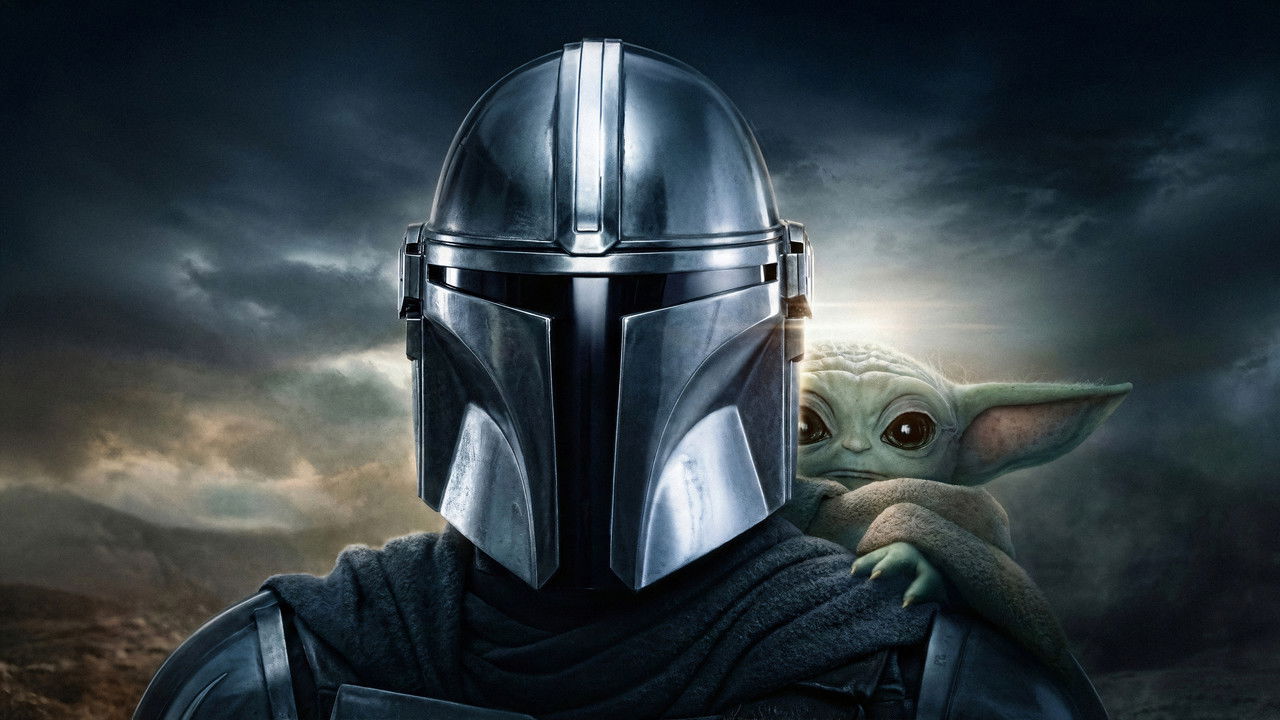
Table of Contents
The Numbers Don’t Lie: A Historic Collapse
According to Forbes, The Mandalorian and Grogu is heading toward a staggering 69% to 72% drop in its second weekend. That’s not just bad — it’s the worst second-weekend decline in Star Wars theatrical history, surpassing even Solo: A Star Wars Story (which dropped 65% in 2018 and effectively killed the “A Star Wars Story” anthology line).
By Saturday, multiple box office trackers confirmed the unthinkable: a Star Wars movie had fallen to third place at the domestic box office, beaten by not one but two low-budget horror films. Backrooms, the A24 YouTube-adaptation phenomenon, opened to an estimated $85-90 million — shattering records for the indie studio. Meanwhile, another horror title held strong. The Mandalorian, which cost Disney a reported $165 million to produce, was suddenly an also-ran.
ScreenRant called it “Star Wars’ worst-ever Week 2 drop” in a blunt analysis published Saturday, while World of Reel reported the decline at 72% with the ominous headline: “Box Office Bomb Fears Grow for Disney’s Star Wars Movie.”
How Did This Happen?
The Competition Was Relentless
Nobody expected Backrooms to do this well. The A24 horror film, directed by 20-year-old YouTube creator Kane Parsons, was produced for a reported $15 million. Its opening weekend alone more than quintupled its budget, and the film has become a genuine cultural phenomenon — the kind of word-of-mouth sensation that makes moviegoers choose the theater over their couches.
Competing against a viral horror sensation is difficult for any blockbuster. For a Star Wars movie already facing headwinds, it was devastating.
Franchise Fatigue Is Real
Let’s be honest: Star Wars fans have been burned before. The Rise of Skywalker divided the fanbase in 2019. Since then, Lucasfilm has released a string of Disney+ series — The Mandalorian seasons 1-3, The Book of Boba Fett, Obi-Wan Kenobi, Andor, Ahsoka, The Acolyte — with sharply varying quality. By the time a theatrical film finally arrived, some of the mystique had worn off.
The film’s audience score on Rotten Tomatoes sits at 72%, with critics praising Pascal’s performance and the father-son dynamic between Din Djarin and Grogu, but criticizing a plot that many called “a stretched-out TV episode.” At 132 minutes, the runtime tested patience for a story that some felt didn’t justify the theatrical upgrade.
The “Wait for Disney+” Problem
Disney has trained audiences to expect new movies to hit streaming within 45-90 days. With The Mandalorian and Grogu being a Disney production, many casual fans likely calculated that waiting a few weeks for a Disney+ drop was the smarter move — especially with summer blockbusters like Supergirl and The Odyssey just weeks away.
The Cast and Crew: Talent Deserved Better
The movie itself isn’t without merit. Pedro Pascal once again proves why he’s one of Hollywood’s most bankable stars, bringing warmth and weathered determination to Din Djarin. Sigourney Weaver joins the cast as Colonel Ward, a New Republic officer navigating the chaos of the post-Empire galaxy. Jeremy Allen White voices Rotta, while screen legend Martin Scorsese even pops up in a voice role as Hugo Durant.
Director Jon Favreau, the architect of the Disney+ series, makes his theatrical Star Wars debut here. His direction is confident, and the film’s visual effects — including a fully practical Grogu puppet — are undeniably impressive. The problem isn’t craft; it’s timing and expectation.
What This Means for Star Wars
Disney has multiple Star Wars films in development: a Daisy Ridley-led Rey movie set 15 years after The Rise of Skywalker, a Dave Filoni-directed crossover event (widely expected to be titled Heir to the Empire), and James Mangold’s Dawn of the Jedi prequel exploring the origins of the Force. The brutal second-weekend collapse of what was supposed to be the franchise’s triumphant theatrical return will almost certainly lead to some uncomfortable boardroom conversations at Lucasfilm.
The lesson might be simple: Star Wars works best when it feels special. The Disney+ era flooded the market with content, and that abundance came at a cost. When everything is Star Wars, nothing is. Theatrical releases need to feel like genuine events — not just longer episodes of a show fans have already been watching for years.
Industry analysts are already drawing uncomfortable parallels. Forbes noted that The Mandalorian and Grogu is heading toward a domestic total around $175-190 million — figures that would have been respectable for a mid-budget original film but are borderline disastrous for a $165 million Star Wars tentpole. “The franchise that once defined the summer blockbuster is now struggling to compete with $15 million horror films,” the outlet observed.
At CinemaCon this past April, Lucasfilm president Kathleen Kennedy outlined an ambitious slate of upcoming projects. The message was clear: Star Wars is back in theaters, and it’s here to stay. But as The Mandalorian and Grogu demonstrates, good intentions and beloved characters aren’t enough. Audiences need a reason to choose the theater — and right now, they’re finding those reasons elsewhere.
One wildcard: the film’s A- CinemaScore suggests that audiences who do see it generally like it. The problem isn’t quality — it’s quantity of interest. The challenge for Lucasfilm is converting casual fans and lapsed viewers into ticket buyers, and that’s a much harder problem to solve than simply making a good movie.
Can The Mandalorian Recover?
With $181 million in global revenue against a $165 million production budget (not including marketing, which likely added another $100 million), The Mandalorian and Grogu is far from profitable. The typical rule of thumb is that a film needs to gross roughly 2.5x its production budget to break even — meaning this movie needs around $400 million worldwide. At its current trajectory, that target looks increasingly out of reach.
International markets could provide some cushion, but early overseas numbers have been soft. China, historically cool on Star Wars, delivered a tepid opening. The UK and European markets performed better but not enough to offset the domestic collapse.
Related Articles
- The Mandalorian & Grogu Box Office: $163M Global Opening — What It Means for Star Wars
- Backrooms Review: A24’s Horror Phenomenon Opens to Record-Breaking $76M
- HBO Max Summer 2026 Preview: House of the Dragon S3, The Axe, and More
- Spider-Man: Brand New Day — Everything the Empire Exclusives Revealed
Sources: Forbes, ScreenRant, World of Reel, Deadline, TMDB
Do you think Star Wars should take another break from theatrical releases, or is the franchise still capable of a box office comeback? Let us know in the comments.
© Telepisodes [EST 2008 - 2018] Disclaimer | Sitemap | About | Blog | Use of this website constitutes acceptance of Telepisodes' Terms of Service and Privacy Policy.