Watch Series Online

Kevin Feige Admits He Feels Like a Gigantic Loser and Failure Over the Failed Blade Reboot — Here’s What Really Happened With Mahershala Ali
Table of Contents
The Blade That Never Drew Blood: Marvel’s Most Painful Missed Opportunity
When Kevin Feige sat down for the Happy Sad Confused podcast to promote Spider-Man: Brand New Day, nobody expected the Marvel Studios president to drop one of the most candid admissions of his career. But drop it he did, calling himself a “gigantic loser and failure” over the now-dead Blade reboot that was supposed to star two-time Oscar winner Mahershala Ali.
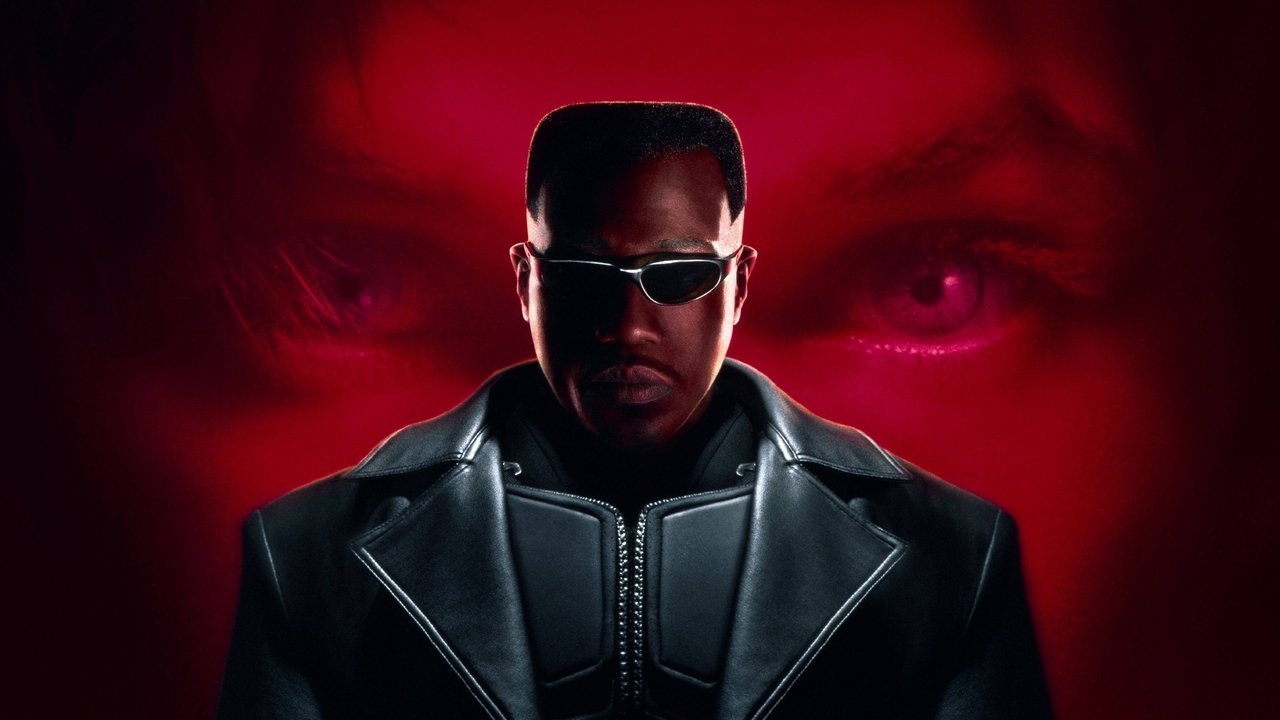
“I am feeling like a gigantic loser and failure that we didn’t get off the ground with Mahershala,” Feige said bluntly. It was a rare moment of vulnerability from a man who’s overseen the most successful franchise in cinema history — and a confirmation that one of Marvel’s most promising projects is officially off the table.
How did we get here? The story of Marvel’s Blade reboot is a masterclass in what happens when ambition, timing, and creative vision just won’t align. Let’s break down everything that went wrong.
A Promise Made in 2019
The announcement came at San Diego Comic-Con in July 2019, and it was a stunner. Mahershala Ali, coming off back-to-back Oscar wins for Moonlight and Green Book, walked onto the Hall H stage and simply said, “I’m going to be Blade.” The crowd lost it. Here was one of the finest actors of his generation taking on the role of Marvel’s vampire-hunting half-breed — a character that Wesley Snipes had defined across three films in the late ’90s and early 2000s.
The symbolism was powerful. Blade was Marvel’s first successful movie franchise, predating the MCU by a full decade. Bringing the Daywalker back into the fold with an actor of Ali’s caliber felt like Marvel honoring its roots while pushing forward with a new vision. It was one of those Comic-Con moments that felt inevitable — the right actor, the right character, the right time.
But the blade, as it turned out, was already beginning to dull.
The Director Carousel
The first sign of trouble came in September 2022, when original director Bassam Tariq departed the project. Tariq, known for the critically acclaimed Mogul Mowgli, had been attached since 2021. His exit was described as amicable — creative differences, the standard Hollywood euphemism — but it was the first crack in what would become a shattered production.
Enter Yann Demange, the director of the gripping prison drama ’71 and the HBO series Lovecraft Country. Demange seemed like a solid fit — he’d shown he could handle both intense action and complex racial themes, both of which are central to Blade’s story. The script went through multiple iterations with writers like Michael Starrbury and Nic Pizzolatto (True Detective) taking passes at the material.
But the delays kept piling up. The release date was pushed from November 2023 to September 2024, then to February 2025, and finally to November 2025. Each postponement eroded confidence. The Hollywood strikes of 2023 didn’t help, but the core issue was deeper: Marvel simply couldn’t crack the story.
In June 2024, Yann Demange also exited the project. That was effectively the death knell, even if Marvel didn’t officially confirm it for another two years.
Why Blade Was So Hard to Get Right
Feige shed some light on the creative struggle in his 2025 comments to the press. He attributed the delays to Marvel reevaluating its creative process following “overexpansion” into Disney+ streaming content. But his 2026 podcast admission was more revealing: “We didn’t feel like, as we often do, you can have a good script and make it a great script through production. We didn’t feel confident that we could do that on Blade, and we didn’t want to do that to Mahershala and didn’t want to do that to us.”
That’s a big deal. Marvel has a reputation for figuring it out in production — shooting scenes, rewriting on the fly, and making it work in the edit. They’ve done it before with films like Iron Man 2 and Thor: The Dark World, and more recently with Ant-Man and the Wasp: Quantumania. But for Blade, they didn’t feel they could pull that off.
The challenge was unique. Blade isn’t just a superhero movie — it’s a horror-action hybrid with a specific tone that Marvel has rarely attempted. The closest they’ve come is Moon Knight (which leaned into psychological horror) and Doctor Strange (which has supernatural elements), but neither fully captures the gritty, R-rated energy that Blade demands. The Wesley Snipes films were bloody, stylish, and attitude-heavy — a far cry from the MCU’s usually PG-13, quip-laden approach.
There was also the Mahershala Ali factor. When you cast a two-time Oscar winner, the script needs to be at that level. Ali didn’t sign up for a standard Marvel movie. He signed up to be Blade — an iconic character with Egyptian-inspired mythology, a tragic backstory, and a mission that’s equal parts revenge and redemption. Anything less than a great script would have been a disservice to both the actor and the character.
The Irony of Deadpool & Wolverine
The cruelest twist in this story? While Marvel struggled to get a Blade movie off the ground, Deadpool & Wolverine — a film from rival mutant regime and starring Ryan Reynolds and Hugh Jackman — actually brought Blade back to the screen. Wesley Snipes reprised his iconic role for a cameo in the 2024 blockbuster, reminding audiences exactly what they were missing.
The moment was electric. Snipes, now in his 60s, slipped back into the black leather trench coat, sunglasses, and katana with a smirk that said everything. Here was the original Blade, the one who started it all, showing Marvel how it’s done — even if only for a few minutes of screen time. The audience reaction in theaters was reportedly massive, a testament to how deeply the character resonates with fans after all these years.
It’s hard not to see the irony. Blade, the character who proved that Marvel movies could work at the box office, was now being resurrected by a different franchise altogether — while Marvel’s own attempts to bring him back collapsed under their own weight.
What Blade’s Failure Says About Marvel Right Now
The Blade reboot’s collapse is more than just one scrapped project. It’s a symptom of where the MCU finds itself in 2026. After the sprawling ambition of the Multiverse Saga, Marvel is in a contraction phase — pulling back on content, reevaluating its approach, and figuring out what audiences actually want.
Between 2021 and 2023, Marvel released more content (17 projects) than it did in its entire first three phases combined (23 projects over 11 years). That breakneck pace led to franchise fatigue, declining box office returns, and a noticeable dip in quality. Fans started complaining about CGI overload, formulaic storytelling, and a sense that Marvel was prioritizing quantity over quality.
Marvel has been course-correcting since 2024, slowing down its release calendar and focusing on fewer, higher-quality projects. But the Blade situation reveals a deeper problem: Marvel’s creative engine, which once seemed unstoppable, is now struggling with certain kinds of stories. The darker, edgier, horror-tinged corner of the Marvel universe — characters like Blade, Ghost Rider, and Werewolf by Night — doesn’t fit neatly into the MCU mold.
Even WandaVision, which was celebrated for its creative risk-taking, eventually resolved into a fairly traditional action finale. Marvel has rarely committed to a genuinely different tone for an entire project. Blade was supposed to be the exception. Instead, it became the cautionary tale.
What Happens to Mahershala Ali’s Blade?
For now, nothing. Feige’s comments effectively confirm that the Ali-led Blade is dead. But in the multiverse era of Marvel, nothing is ever truly off the table. A new Blade project could emerge with a different creative team, a different approach, and potentially even a different lead — though that would be a tough sell after Ali was announced so publicly.
Ali himself has stayed classy throughout the ordeal, never publicly criticizing Marvel or complaining about the delays. He’s moved on to other projects, continuing to build an already legendary career. But there’s no doubt that losing Blade stings. Ali is a comic book fan — he specifically requested the meeting with Feige that led to his casting — and he was genuinely excited about bringing the character to a new generation.
The door isn’t entirely closed. Feige’s regret suggests he still wants to find a way to make it work. But as things stand in July 2026, Blade remains Marvel’s most tantalizing what-if — a project that had everything going for it except the one thing it needed most: a story worth telling.
And that, more than anything, is why Feige feels like a failure.
© Telepisodes [EST 2008 - 2018] Disclaimer | Sitemap | About | Blog | Use of this website constitutes acceptance of Telepisodes' Terms of Service and Privacy Policy.