Watch Series Online

Josh Brolin Confirms ‘Sicario 3’ Is Finally Happening — Taylor Sheridan’s Drug-War Saga Returns
Table of Contents
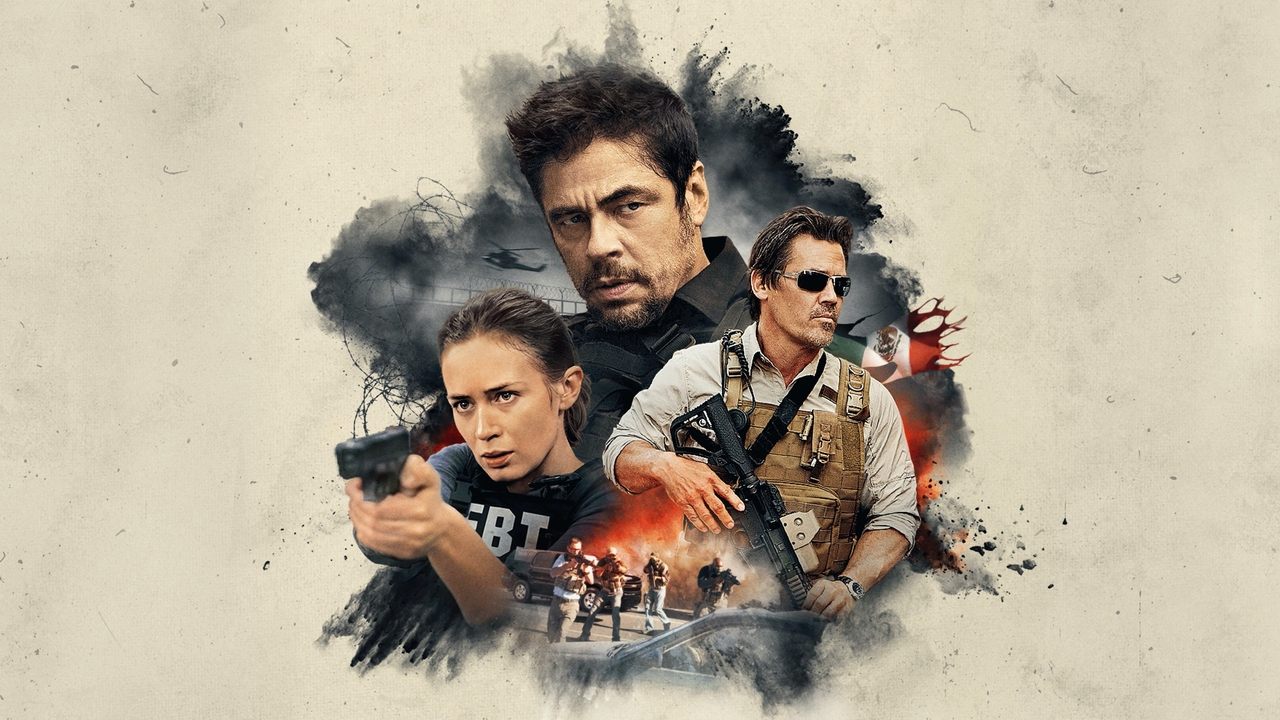
Josh Brolin Confirms ‘Sicario 3’ Is Finally Happening
CIA officer Matt Graver hasn’t hung up his boots. Josh Brolin has confirmed that a third chapter in Taylor Sheridan’s Sicario universe is on the way, and fans who have waited nearly a decade for the drug-war saga to return finally have a reason to be excited.
Speaking with ScreenRant, Brolin—who played the sardonic, sunburned operative across Sicario (2015) and Sicario: Day of the Soldado (2018)—revealed the threequel “is happening,” with production expected to begin “soon.” It’s the clearest signal yet that the gritty thriller franchise, which has quietly grossed more than $160 million globally, has earned itself one more trip into the cartel war.
The news lands with particular weight because Sicario never really felt like a franchise that needed a third entry—it felt like a complete, self-contained masterpiece. Denis Villeneuve’s direction treated the border drug trade not as a backdrop but as a suffocating moral pressure cooker, and the result was one of the most immaculately staged thrillers of the 2010s. That it took nearly a decade to seriously develop a follow-up says less about studio hesitation and more about how hard the first film set the bar.
What We Know About the Threequel
Details remain thin, but the pieces are coming together. Brolin’s Matt Graver anchored the first film, directed by Denis Villeneuve, in which he recruited FBI agent Kate Macer (Emily Blunt) into a shadowy government task force hunting Mexican cartel bosses, all under the cold-eyed direction of the enigmatic Alejandro—played with scene-stealing menace by Benicio del Toro. The sequel, helmed by Stefano Sollima, dropped the Blunt character but brought Isabela Merced into the fold for its grittier, more tactically driven expansion.
The big unresolved question, of course, is who returns. Brolin is the confirmed anchor, but del Toro’s Alejandro remains one of modern cinema’s great loose threads, and whether Merced factors back in is anybody’s guess. Emily Blunt’s Kate, too, was left with a haunting final exchange in the original that audiences still debate—a door Sheridan could walk back through if he wants. What’s safe to say is that Sheridan’s screenwriting instincts have only sharpened—if anything, this threequel lands at the peak of the Yellowstone empire he’s built in the years since.
Sheridan’s Empire Keeps Expanding
It’s almost easy to forget that Sicario came before the ranch drama that made Sheridan a household name. Since Day of the Soldado, the writer-producer has assembled a streaming juggernaut: the Yellowstone mothership and its spinoffs Dutton Ranch and Marshals, plus standalone hits like Landman, The Madison, Special Ops: Lioness, Tulsa King and Mayor of Kingstown. His name is now shorthand for a very specific, very durable brand of muscular American storytelling.
That runaway success is likely exactly why Sicario 3 keeps creeping back onto the schedule. The action-thriller lane he helped define with the first two films— morally gray, propulsively tense, allergic to easy answers—has only grown more valuable in a franchise-hungry marketplace. A new Sicario isn’t just nostalgia; it’s Sheridan returning to the tone that launched him, with a decade more experience as a storyteller behind him.
Why Fans Should Be Cautiously Excited
Here’s the honest read: a third Sicario could go either way. The franchise’s power always lived in its restraint—the queasy realism, the refusal to glamorize violence, the sense that everyone on screen is one bad call from being in over their head. The original’s bone-dry dust scenes, the night-vision tunnel sequence, the detached calm of Alejandro’s final monologue—these are set pieces built on atmosphere rather than spectacle. If the filmmakers keep that discipline, this could rank with the best action thrillers of its year. If they let the scope balloon in the way late-stage franchises so often do, it risks losing the very claustrophobia that made the originals sing.
The safer bet, though, is on Sheridan. His recent output has ranged from genuinely great (Lioness) to wildly entertaining (Tulsa King), and his comfort with morally complicated protagonists has only deepened. He is, by now, one of very few writers whose name on a project carries genuine commercial weight, and a Sicario threequel is the rare project where his strengths—taut action, gray morality, sharp dialogue—are the entire point. For anyone who has rewatched the corridor shootouts and desert dry-runs of the first film and thought “we need more of this,” Brolin’s confirmation is about as good a sign as you could ask for.
The Legacy That Makes This Matter
Part of what makes the Sicario threequel news land so hard is the sheer pedigree attached to the original. That first film was shot by Roger Deakins, whose towering desert frames and night-vision finale remain reference points for modern action cinematography, and scored by the late Jóhann Jóhannsson, whose pulsing, unnerving compositions gave the movie its signature heartbeat. When an Oscar-winning cinematographer and a revered composer collaborate on a thriller, it tends to leave a permanent mark—and it does. Comparisons to the original are almost unfair to any sequel, precisely because so much of its power came from the people in the room, not just the script.
That’s the two-sided tightrope Brolin’s threequel faces. The model for a successful late-stage franchise entry is to honor what worked without trying to carbon-copy it—think of how sequel teams have handled everything from John Wick to Mission: Impossible, expanding the world while keeping the core tension intact. A new Sicario has the room to do the same: same universe, same moral rot, but a fresh enough toolbox that it never feels like a rehash.
What the Franchise Has Already Earned
Strip away the hype and the numbers tell a quiet story of its own. More than $160 million in worldwide grosses across two films is modest by modern blockbuster standards, but it came without bloated budgets or a heavy marketing machine—these were lean, efficient movies that made their money the old-fashioned way, on word of mouth and strong reviews. The first film in particular punched well above its weight, winning over critics and audiences alike with the kind of uncompromised vision that studios rarely greenlight twice.
There’s also the question of whether the cartel-war premise still resonates. In the years since Day of the Soldado, the border and drug-trade conversation has only grown louder and more complicated, which cuts both ways for a project like this. On one hand, it gives the story real-world stakes and a built-in sense of urgency. On the other, it loads the franchise with expectations of seriousness—expectations Sheridan is well equipped to meet, but which demand the script treat the material with care rather than as simple action wallpaper.
When Could It Drop?
Production is expected to start soon, which points to a 2027-2028 theatrical window—though nothing has been formally dated. Until then, Sicario and Day of the Soldado remain streaming staples, and the Yellowstone universe keeps the Sheridan pipeline well stocked for anyone looking to fill the gap.
The drug war never really ends in the Sicario world, and neither, it seems, does the franchise. Lock in your expectations accordingly, keep an eye out for casting announcements, and get ready for Matt Graver’s return to the field.
© Telepisodes [EST 2008 - 2018] Disclaimer | Sitemap | About | Blog | Use of this website constitutes acceptance of Telepisodes' Terms of Service and Privacy Policy.