Watch Series Online

Spider-Man’s Jon Watts Is Taking on Star Wars
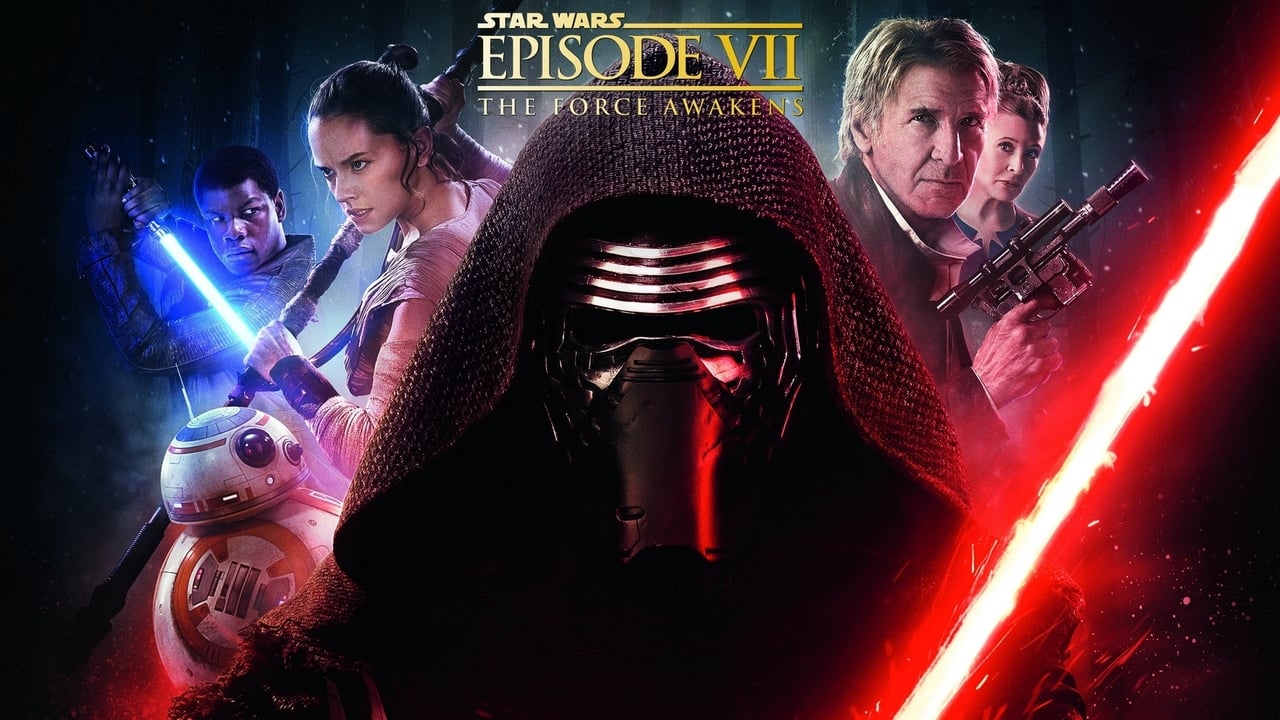
Table of Contents
Spider-Man’s Jon Watts Is Taking on Star Wars
Here’s a casting choice that tells you everything about where Lucasfilm thinks the Skywalker Saga needs to go next. Deadline confirmed today that Jon Watts, the director behind the three Tom Holland Spider-Man films that actually made people care about Marvel’s web-slinger again, has been tapped to helm the first installment in a new Star Wars trilogy. The screenplay comes from Simon Kinberg, the Dark Phoenix writer who struck the trilogy deal with Lucasfilm back in November 2024.
This isn’t just another director announcement. Watts is the guy who took a character that had been done to death in the post-Raimi era and turned him into the backbone of the MCU’s most financially successful chapter. Spider-Man: No Way Home wasn’t just a hit — it was a cultural reset that proved old franchises don’t need reinvention, they need the right creative hand at the wheel. Now Lucasfilm is betting that same hand can do for the next chapter of the Skywalker Saga what it did for Peter Parker.
Why Watts Makes Sense for Star Wars
On paper, the move tracks. Watts has a track record that most directors would kill for: three Spider-Man films that collectively pulled in more than $4 billion worldwide. He understands how to balance spectacle with character, how to make a universe feel lived-in without drowning the audience in lore dumps. The Tom Holland Spider-Man arc was built on the same premise Star Wars always runs on — a young person discovering a larger world they’re destined to shape.
But there’s a difference between directing a superhero adaptation and helming the next chapter of cinema’s most scrutinized franchise. Star Wars isn’t just a film series anymore — it’s a generational argument. Every creative decision gets dissected across Reddit threads, YouTube video essays, and not-quite-accurate hot takes from people who haven’t seen the prequels since 1999. Watts has spent the last few years building credibility with a fanbase that loves its heroes passionately. That experience translates.
The Kinberg Connection
Simon Kinberg’s name on the writing credits is the more intriguing part of this announcement, and here’s why. Kinberg’s been around the block with franchise filmmaking before — he wrote and produced on the X-Men series for years, helmed Dark Phoenix (which, fair to say, didn’t exactly set the box office on fire), and recently wrapped work on The Flash. He knows how these machines work from the inside. But Star Wars isn’t just another franchise, and Kinberg isn’t just another hired gun. The fact that Lucasfilm has let him develop an entire trilogy over nearly two years — since that November 2024 deal was first reported — suggests they’re giving him room to think big rather than rushing him into a quick turnaround. That’s a meaningful signal.
The fact that the trilogy is being described as continuing the Skywalker Saga — not launching a new era, not spinning off into a different corner of the galaxy — matters. Lucasfilm hasn’t shied away from new corners; Andor proved the franchise could thrive outside the Jedi/Skywalker axis. But the decision to keep a narrative thread running through the existing saga tells you where the studio’s head is at: they want the next trilogy to feel like a genuine continuation, not a reboot that asks audiences to forget everything that came before.
What This Means for the Franchise
Lucasfilm has been untangling itself from the sequel trilogy’s mixed legacy for a while now. The Mandalorian showed the studio a different way to make Star Wars television. Andor showed them the franchise could do prestige. Tales of the Jedi and The Bad Batch expanded the animated space. Each project pulled Star Wars in a slightly different direction — and all of them worked. The through-line was specificity: find the story that only Star Wars could tell, and tell it without apology.
A new film trilogy with Watts at the helm is a different proposition. This is the big-screen return to the saga’s core, and it carries the weight of every Skywalker film that came before it. The original trilogy defined a generation’s idea of heroism. The prequels gave us world-building no one expected. The sequels split audiences down the middle. The next chapter has to navigate all of that history without being trapped by it.
Compare that to how other franchises have handled their next chapters. Dune built slowly, earning its audience over two films before trust was established. Oppenheimer proved a three-hour biographical drama could dominate the cultural conversation without a single laser sword. The next Star Wars film doesn’t have to do either of those things — but it has to do something that justifies the wait.
The Pressure Is Different This Time
What makes Watts’ appointment interesting isn’t just that he’s a proven blockbuster director — it’s that he came up through a franchise that, like Star Wars, had lost its way before he touched it. The Spider-Man film rights were considered dead for a decade. When Marvel and Sony finally made the partnership work, the franchise needed someone who understood both the character’s fundamentals and the modern blockbuster audience. Watts delivered that. The question for Star Wars is whether he can bring the same clarity to a saga that’s been in the public conversation for nearly fifty years.
We don’t know a release date yet. We don’t know the plot, the cast, or whether this is Episode X or something else entirely. What we know is this: Lucasfilm has decided that the person to steer the next Skywalker chapter is someone who spent the last decade learning how to make a sprawling cinematic universe feel personal. That’s either the smartest move they’ve made since Rogue One or a gamble that pays off only if Watts brought the same instincts to Star Wars that he brought to Queens.
For now, the saga continues. And for the first time in a while, the next chapter has a name attached that makes you want to pay attention.
© Telepisodes [EST 2008 - 2018] Disclaimer | Sitemap | About | Blog | Use of this website constitutes acceptance of Telepisodes' Terms of Service and Privacy Policy.