Watch Series Online

Jenna Dewan Faces Backlash Over DWTS Casting — and She Has a Point
Table of Contents
Jenna Dewan Faces Backlash Over DWTS Casting — and She Has a Point
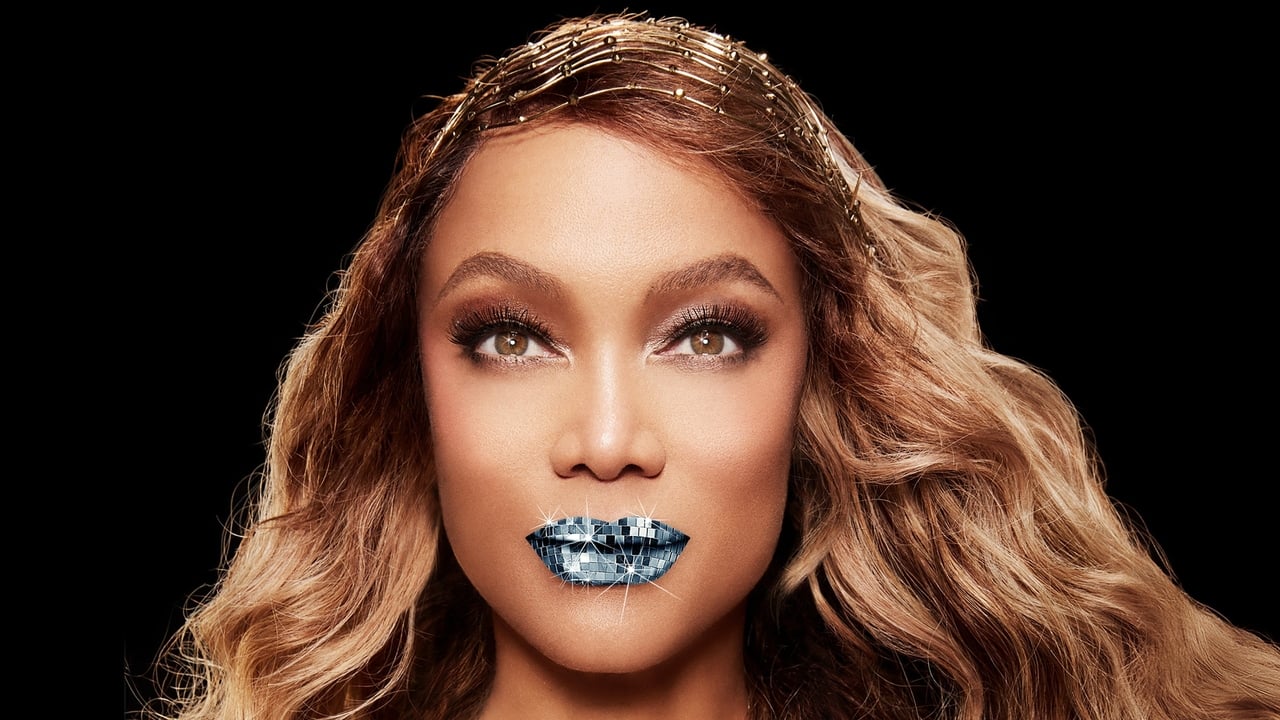
When Dancing With the Stars Season 35 cast list dropped on September 2, one name immediately lit up social media: Jenna Dewan. The Step Up star and former Janet Jackson backup dancer was heading to the ballroom — but not as a pro. She’d be paired with Val Chmerkovskiy, one of the show’s top professional dancers. And that’s where the trouble started.
Fans were quick to point out the obvious: Dewan has been dancing professionally since she was a teenager. She starred in a dance movie franchise. She literally grew up in the studio. Why is she competing against celebrities who’ve never stepped on a dance floor in their lives? On the surface, it looks like bringing a Ferrari to a go-kart race.
But here’s the thing — Dewan agrees with the critics. Sort of.
“It’s Two Different Languages”
In an interview with Entertainment Weekly, Dewan tackled the controversy head-on. Her defense? Ballroom isn’t the same as the dance she’s done for 25 years.
“Let’s be clear. It’s two different languages,” she said. “There’s parts of my dance training that’s helpful, obviously. I’ve learned choreography, I can perform, but there is a certain sense of unlearning for me. It’s a new technique, brand new technique. It almost threw me off initially because I had to unlearn a lot of — I don’t want to say bad habits — but just habits of the style that I’m used to.”
That’s a fascinating angle, and honestly, it makes the story more interesting. Dewan isn’t leaning into the advantage narrative. She’s framing her own background as a liability — something she has to unlearn before she can learn ballroom from scratch. That’s a level of self-awareness most reality show contestants don’t bring to the floor.
She even admitted that her dance background makes her “a little more nervous” to compete, because ballroom “feels really foreign.” That’s a far cry from the smug veteran narrative the internet was spinning.
Val Chmerkovskiy Sees a Different Game
Chmerkovskiy, a DWTS veteran who’s been on the show since Season 1, gave perhaps the smartest quotes of the press rollout.
“First of all, it’s naive to think that this show is just about dance,” he said. “It’s about the human experience and the human journey and how much you’re willing to reveal yourself. Dance is a vehicle for us to find out more about these people — and I think that’s our advantage.”
He conceded that Dewan “comes in with incredible talent,” but added the kicker: “with great talent comes incredible expectation — that’s my challenge.”
That’s a producer’s answer, and a good one. The show has always been about more than technical dance execution — it’s about celebrities opening up under pressure, telling their stories through movement, and connecting with an audience. Raw talent doesn’t automatically deliver that. Some of the most memorable DWTS moments came from people who could barely stand on the dance floor at the start.
Chmerkovskiy summed up his philosophy with a line worth remembering: “The way I approach things is that you’re only as good as the thing that you’ve never done.” Then Dewan jumped in with a quick “Many years ago!” — and honestly, that exchange tells you everything about the dynamic.
The Full Season 35 Field
Dewan is far from the only celebrity in Season 35’s lineup. The full cast, revealed the same day, reads like a cable-TV greatest hits collection: Julia Stiles (The Bourne Identity, Say Anything), Tatyana Ali (The Fresh Prince of Bel-Air), Harry Shum Jr. (Shadowhunters, Glee), Tyler Cameron (The Bachelor), Giada De Laurentiis (food network icon), Maura Higgins (Strictly Come Dancing, Love Island UK), Ciara Miller, Taylor Hanson ( Hanson), Sarah Jane Nader, Guillermo Rodriguez (The Kelly Clarkson Show), and a group of younger competitors including Jackson Olson, Ezra Frech, Amber Glenn, Conner Leavitt, and Connor Wood.
That’s a remarkably diverse cast — actors, musicians, chefs, reality veterans, and first-timers all in the same mix. The question isn’t whether Dewan has an advantage. It’s whether any of them do. Reality competition fans can also check out how Love is Blind has built a global franchise on the same premise of watching familiar faces navigate unfamiliar emotional terrain.
The Wider Reality TV Landscape
Dewan’s DWTS controversy lands at an interesting moment for reality competition television. The genre has never been more crowded or more globally interconnected. Love Island continues to spawn international variants across the UK, US, Australia, and beyond. The Traitors has grown from a Dutch experiment into a transatlantic phenomenon with UK, US, Australian, and New Zealand versions all finding audiences. Survivor remains a broadcast staple decades after its 2000 debut. The Traitors franchise keeps growing. And Strictly Come Dancing over in the UK — the format that inspired DWTS in the first place — keeps delivering some of the most-watched television of the year.
What all of these shows understand, and what Chmerkovskiy articulated, is that the appeal was never really about the dancing. It’s about watching people you recognize — or think you know — reveal something unexpected about themselves under pressure. The dancing is just the frame.
That said, the format’s credibility has always depended on a basic contract with the audience: everyone is playing the same game, and no one gets a meaningful head start. When a contestant’s background clearly gives them a leg up — whether it’s professional dance training, prior competition experience, or transferable athletic skills — that contract feels strained. DWTS has navigated this tension before. The difference with Dewan is that she’s not denying it. She’s arguing the head start doesn’t exist in the way fans think it does.
Why This Debate Actually Matters
The Dewan backlash is, at its core, a debate about what Dancing With the Stars is supposed to be. If the show is a dance competition first and a celebrity journey second, then yes — Dewan’s casting looks questionable. Professional dancers have competed on the show before, and the format has occasionally drawn fire for stacking the deck.
But if the show is, as Chmerkovskiy argues, a human story wearing dance as its outfit, then Dewan’s deep dance background might actually be the wrong lens through which to evaluate her chances. What matters is whether she can connect, whether she can be vulnerable on live television, whether she can carry a narrative arc across eight weeks. Those skills have nothing to do with how she spins across a wood floor.
Dewan clearly understands this. Her willingness to call out her own baggage — the habits she needs to unlearn, the nervousness her background creates — is the kind of honesty that makes for good reality television. It’s also, frankly, more self-aware than most contestants bring to these shows.
Whether the internet decides to take her at her word remains to be seen. Season 35 premieres September 15 on ABC, with a two-night kickoff. By the time the first scores are posted, the theoretical debate about fairness will collide with the empirical reality of who actually delivers.
One thing is already certain: nobody is going to forget Jenna Dewan is on this season. The question is whether they’ll remember her for the right reasons.
© Telepisodes [EST 2008 - 2018] Disclaimer | Sitemap | About | Blog | Use of this website constitutes acceptance of Telepisodes' Terms of Service and Privacy Policy.