Watch Series Online

Harvey Keitel Calls Out AI ‘Danger’ While Shooting a Film Written by His Wife — What He Said at Karlovy Vary
Table of Contents
The Karlovy Vary Festival Appearance
Harvey Keitel doesn’t do many interviews these days. At 87, the legendary actor behind some of cinema’s most intense performances — from Taxi Driver and Mean Streets to Pulp Fiction and The Irishman — picks his moments carefully. So when he showed up at the Karlovy Vary Film Festival to present a screening of Martin Scorsese’s Mean Streets, people paid attention.
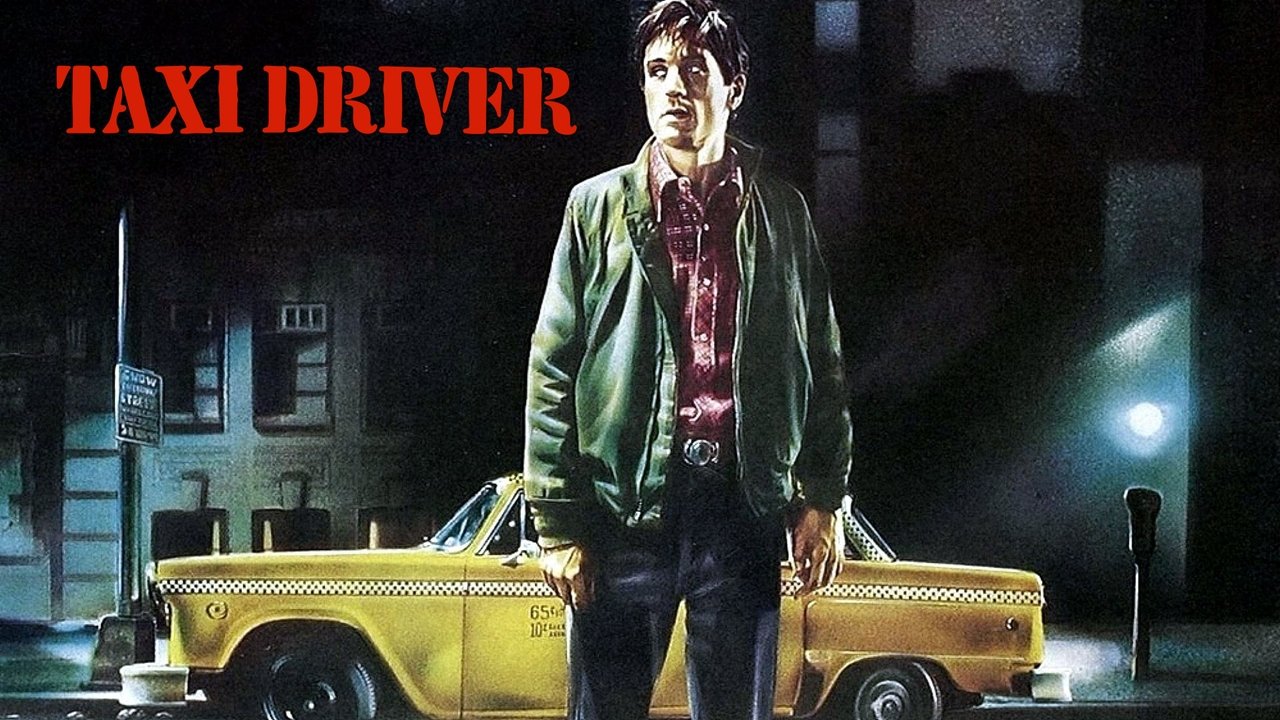
But what caught everyone off guard wasn’t just his presence. It was what he said about AI.
What Harvey Keitel Said About AI
During his appearance at the Czech festival, Keitel took a moment to call out what he sees as a growing threat in the entertainment industry. The trigger? Michael Caine’s AI-narrated audiobook of The Odyssey, which has been making headlines for using a synthesized version of the legendary actor’s voice.
Keitel didn’t mince words. He described AI’s encroachment into creative fields as a “danger” — not just for actors, but for the entire filmmaking ecosystem. For an actor who came up through the gritty streets of New York independent cinema in the 1970s, working with Scorsese and later Quentin Tarantino, the idea of replacing human performance with algorithms hits close to home.
This isn’t just nostalgia talking. Keitel’s career has been built on the raw, unpredictable energy that only a flesh-and-blood performer can bring. From his early work in Who’s That Knocking at My Door to the haunting stillness of Bad Lieutenant, his presence on screen is something no AI could replicate. And he knows it.
The Personal Project: A Film Written by His Wife
While Keitel was in Karlovy Vary raising concerns about AI, he also revealed a much more personal project. He’s currently shooting a new film written by his wife, actress and filmmaker Daphna Kastner. The two have been married since 2001, after reconnecting at the Toronto Film Festival years after their first date in the 1980s.
Details about the film itself are still under wraps, but the fact that Keitel is working on a project written by Kastner speaks volumes. After decades in the industry, he’s choosing to collaborate with family on passion projects rather than chasing blockbuster paychecks. It’s a move that feels perfectly on-brand for an actor who has always prioritized artistic integrity over commercial appeal.
Kastner, an actress known for films like Death to Smoochy and The Florentine, has been writing and developing this project for some time. Having Keitel attached as both star and producer gives it the kind of credibility that immediately puts it on the radar for festival programmers and distributors looking for quality independent cinema.
The Michael Caine Connection
The AI-narrated The Odyssey audiobook that sparked Keitel’s comments features a version of Michael Caine’s voice generated by artificial intelligence. Caine, now 93 and retired from acting, has been a vocal critic of AI in entertainment as well. The irony isn’t lost on anyone — two of the most respected actors of their generation, both speaking out against the same technological threat from different corners of the industry.
What makes this particularly significant is that both Keitel and Caine represent a school of acting that’s becoming increasingly rare. They came up at a time when actors trained in theater, worked with legendary directors, and built careers on the strength of their craft rather than their social media following. The prospect of that tradition being replaced by AI-generated performances isn’t just a professional concern — it feels personal.
Keitel’s own filmography with Scorsese spans decades, from the groundbreaking Taxi Driver to the epic The Irishman. Seeing both his early and late work bookend such a remarkable career puts the AI debate in sharp relief — these are performances that could never be manufactured.
The Bigger Picture: AI in Hollywood
Keitel’s comments come at a time when the AI debate in Hollywood is reaching a boiling point. The Midjourney legal battle with major studios, the ongoing writers’ and actors’ strike aftershocks, and the rapid advancement of generative AI tools have created an atmosphere of uncertainty across the industry.
Several key issues are at play:
- Voice Cloning — Michael Caine’s AI-narrated audiobook is just the latest example of actors’ voices being synthesized without their explicit creative input. The technology exists right now to recreate any voice with just a few minutes of source audio.
- Visual Effects and De-aging — While digital de-aging has been used for years, new generative AI tools make it possible to create entirely synthetic performances. This raises questions about consent, compensation, and creative control for actors, both living and deceased.
- Writing and Development — Studios are increasingly using AI tools for script analysis, story development, and even generating first drafts. The WGA’s 2023 contract secured protections against AI-written material, but enforcement and monitoring remain ongoing challenges.
- Background and Extras Work — Some productions have already experimented with using AI-generated extras instead of hiring background performers, a practice that faces legal challenges and union opposition.
For actors like Keitel who have spent their entire lives mastering their craft, the idea that a machine could replicate what they do isn’t just technically dubious — it’s philosophically wrong. Acting isn’t about reproducing lines and expressions. It’s about bringing lived experience, emotional truth, and human vulnerability to a character. Those are things no algorithm can understand.
What This Means for Independent Cinema
Keitel’s new project with Kastner represents something important that’s happening in the margins of the industry. As studios pour resources into AI tools and franchise blockbusters, independent filmmakers are doubling down on what makes cinema human: real locations, real performances, real stories.
Films like The Lion at My Back (playing in competition at Karlovy Vary this year) and Black Money for White Nights from the Bulgarian directing duo Kristina Grozeva and Petar Valchanov prove that there’s still a hungry audience for cinema that grapples with real-world issues through human storytelling. These are the kinds of films that festivals like Karlovy Vary champion, and they’re the kinds of films that keep actors like Keitel excited about the medium.
The challenge for independent cinema in the AI era is finding distribution. With streaming platforms cutting back on acquisitions and theatrical release windows shrinking, getting human-made films in front of audiences is harder than ever. But Keitel’s name attached to a project still carries weight, and his willingness to speak out about AI adds a layer of cultural relevance that distributors notice.
The Bottom Line
Harvey Keitel’s appearance at Karlovy Vary reminded everyone why he’s one of the most respected actors in cinema history. He’s not just coasting on legacy — he’s actively making work, collaborating with his wife, and using his platform to speak about issues that matter. His warning about AI’s danger to the film industry isn’t the rant of an old man out of touch with technology. It’s the measured concern of someone who has seen the industry evolve over six decades and knows what’s at stake.
The film he’s making with Daphna Kastner is one to watch. Not just because of who’s in it, but because of what it represents: a commitment to human storytelling in an industry increasingly obsessed with automation. At 87, Keitel is making some of his most personal work. That’s worth paying attention to.
© Telepisodes [EST 2008 - 2018] Disclaimer | Sitemap | About | Blog | Use of this website constitutes acceptance of Telepisodes' Terms of Service and Privacy Policy.