Watch Series Online

Harry Potter Star Jessie Cave Says Joining OnlyFans Was ‘Embarrassing’ but It ‘Really Has Saved Me’
There’s a version of the entertainment news cycle that loves to reduce an actor to a punchline. Every so often, a story comes along that cuts through all that noise and reminds you how precarious life in the arts actually is. Jessie Cave — the actor best known as Lavender Brown in the Harry Potter movies — just had exactly that kind of conversation, and it’s one worth sitting with rather than scrolling past.
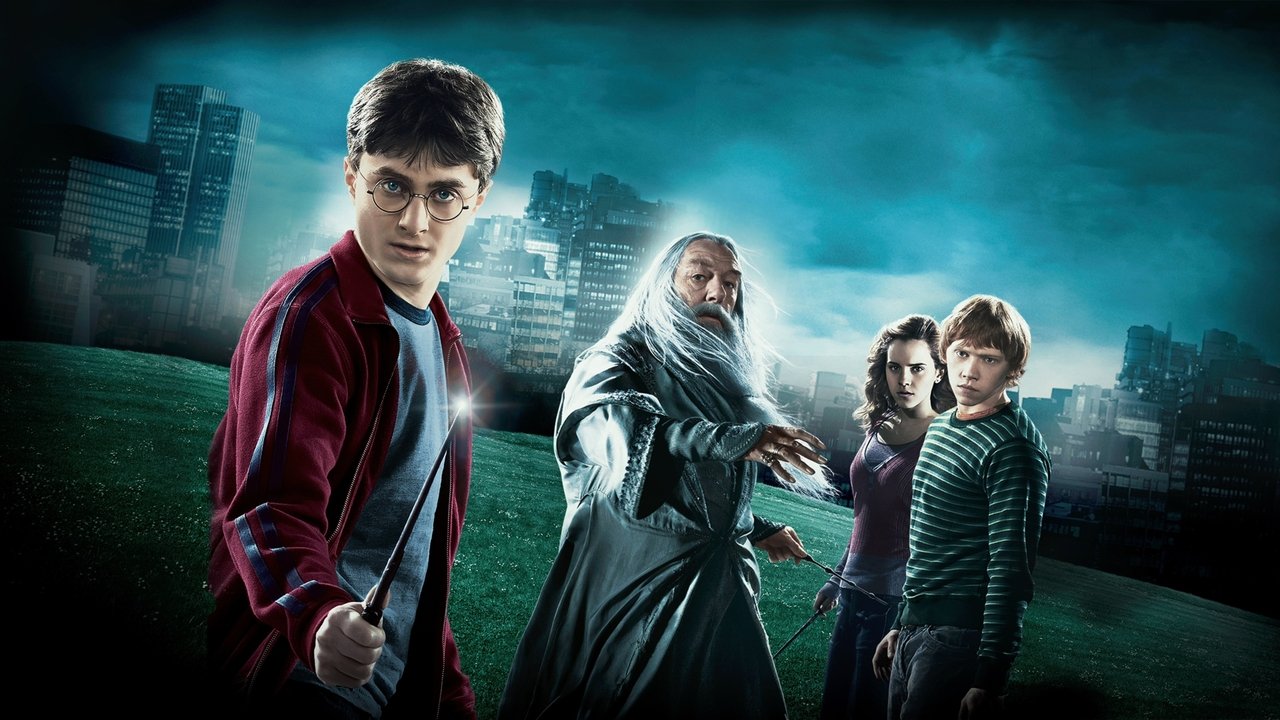
In a candid interview on the U.K. talk show This Morning, Cave opened up about why she launched an OnlyFans account last year, why it felt embarrassing, and why — in her words — it “really has saved me.” The conversation touched on money, childcare costs, the reality of being a working actor after a franchise ends, and the quiet shame artists often carry when the practical side of life gets hard.
Table of Contents
The Reality Behind the ‘Harry Potter’ Money Assumption
Here’s the part that surprised a lot of people: playing Lavender Brown didn’t set Cave up for life. Not even close. She explained that people tend to assume anyone who appeared in a blockbuster franchise is quietly rich, and the truth for her is very different.
“People just assume I’m rich and I have loads of money and no I don’t,” Cave said. She pointed out that her role in the franchise “was a small-ish part and it was 20 years ago.”
That framing matters. Lavender Brown is a memorable, beloved role — the excitable student who famously turned Ron’s world upside down in Harry Potter and the Half-Blood Prince. But it was one supporting character in a massive ensemble, and the residuals from that kind of part simply don’t translate into the kind of wealth people assume. Twenty years later, Cave is still a working artist trying to make the numbers add up.
Why OnlyFans, and Why It Felt Embarrassing
Cave was blunt about the discomfort of the decision. Joining a platform most people associate with adult content is a vulnerable move for any public figure, let alone someone whose face is recognisable from a beloved family franchise.
“So it was embarrassing,” she admitted, “because on a certain level, I would have really liked to get a job. But you know what it’s like, you have kids. It costs so much for childcare.” Those last few words are the ones worth underlining — a reminder that for most creative workers, survival isn’t about glamour, it’s about paying for the basics while trying to keep an artistic life alive.
The nuance that got buried in the clickbait: Cave isn’t doing explicit content. She launched the account in May 2025 as a creative project built around her distinctive red hair, offering subscribers “the best quality hair sounds” and what she described as “very sensual stuff.” It’s a niche, playful, genuinely odd corner of the platform, and it’s kept her afloat while she builds out her one-woman puppet shows and other artistic work.
A New Kind of Artistic Patronage
At its most interesting, Cave’s story is really about what it means to self-fund an arts practice in 2026. She described herself as a “struggling artist”—a term that carries none of the irony it might once have had—and framed the OnlyFans income as the thing that lets her keep making the weird, personal work she cares about.
“This is how I’m making a living as an artist,” she said, “which—I want to have less shame about it. I want other people who do weird art like me, I want them to know that there is some way of still making [it].”
That’s a genuinely generous thing to say out loud. She’s not just talking about her own situation; she’s trying to normalise the idea that independent, idiosyncratic artists deserve a path forward that doesn’t require them to abandon the work they love. In an era of crumbling arts funding and gig-economy instability, that’s a consequential argument, not a tabloid one.
The Fallout With the Fan Convention
The story comes with a genuinely wild wrinkle. Not long after she launched the account, a Harry Potter fan convention barred her from attending, reportedly over a policy that “OnlyFans is affiliated with porn.” Cave was baffled by the double standard.
“It’s baffling to me as some actors who do conventions—most actors, actually—have done TV and films in which they’ve done sex scenes and nudity. I’m just playing with my hair!” she said. The absurdity of enforcing a “family-friendly” purity line against an actor who isn’t posting sexual content at all, while welcoming actors who have done on-screen nudity, was not lost on her.
It also wasn’t a blow to her sentiment. Cave made clear she’s not upset about the prospect of no more Harry Potter conventions. “There’s going to be a new cast now and it’s a different time,” she noted. “Plus, I have done conventions for over 15 years and have enough photos and wizard memorabilia.”
The Bigger Conversation About Artists and Money
Strip away the franchise and the platform, and Cave’s story is one that resonated with a huge number of people whose careers have nothing to do with wizards: the pill that a stable, conventional job doesn’t exist for everyone, and that creative work often means patching together income from unexpected places while carrying a heavy dose of shame about it.
Cave has been pushing on this theme for a while. In the months around her OnlyFans launch, she talked openly about trying to get out of debt, fix up her ageing home, and put money into self-care she’d never allowed herself before. Those are ordinary, relatable goals — the kind pretty much anyone has — and hearing them from someone who was in one of the biggest film franchises ever is a useful corrective to the fantasy that fame solves everything.
It’s also a reminder that the entertainment industry’s relationship with its own workers has always been lopsided. A handful of stars get enormous paydays; everyone else gets “exposure,” residuals that dwindle, and a career that depends on luck as much as talent. Cave’s decision to monetise her own niche, on her own terms, is a fairly rational response to a system that doesn’t promise most artists a comfortable retirement.
Why This Matters Beyond the Headlines
The easy reaction is to scroll past this as another “actor turns to OnlyFans” curiosity. But the details matter. Cave isn’t a cautionary tale, and she isn’t a punchline. She’s a working actor who found a creative way to keep making art, who was honest about the embarrassment and the shame, and who explicitly chose to use her platform to tell other oddball artists that there’s still a way through.
In a media culture that constantly celebrates overnight success and rarely shows the grinding middle, that honesty is quietly radical. It also makes you think differently about the people whose faces you know from a childhood favourite — about the lives they’re actually living twenty years later. Cave’s filmography, after all, has never been a one-note franchise run: beyond Hogwarts, she has shown up in Great Expectations, the anthology Black Mirror, and the finance-world drama Industry — a reminder that the woman now turning to her hair-focused OnlyFans has been steadily working across film and TV for years, quietly building the layered artistic life she keeps fighting for.
The Bottom Line
Jessie Cave’s interview is a reminder that “having been in Harry Potter” and “being financially secure” are not the same sentence for everyone. She found a way to keep going, and she’s using her voice to destigmatise the unglamorous realities of artistic work. Whether or not you’re the kind of person who’d ever pay for hair sounds, her refusal to pretend everything is fine is worth respecting.
Are you following this story? What do you make of the convention’s decision, or Cave’s candid take on making art pay? Drop your thoughts in the comments.
© Telepisodes [EST 2008 - 2018] Disclaimer | Sitemap | About | Blog | Use of this website constitutes acceptance of Telepisodes' Terms of Service and Privacy Policy.