Watch Series Online

Google Playground: AI Game Creation Platform Lets Anyone Build Games With Text Prompts
Google just made it possible to build a video game by typing a sentence. Not a line of code. Not a drag-and-drop editor. A sentence. “Make me a racing game where the cars are sentient meatballs” — and you’re playing it thirty seconds later. That’s the pitch behind Playground, the search giant’s new experimental AI gaming platform that launched this week, and it might be the most interesting thing to happen to consumer game creation since the App Store.
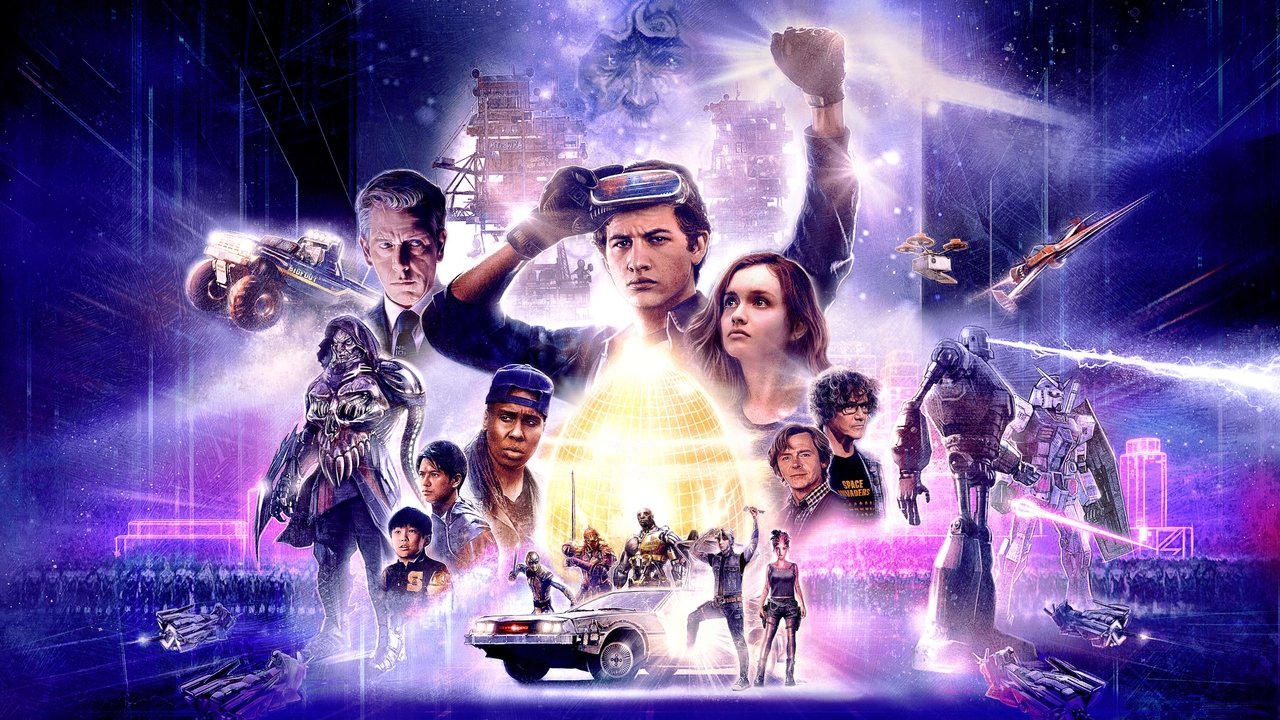
Playground is a browser-based platform from Google Labs that lets anyone create, play, and share custom games using nothing but text prompts. No coding experience. No game engine. No software download. You describe what you want, the AI builds it, and you can play it immediately on your phone or laptop. It feels like someone took the concept of Ready Player One‘s OASIS — a universe where anyone can build anything — and stripped out the VR headset and the $400 million budget.
Table of Contents
How It Actually Works
The interface is deceptively simple. You start with a blank canvas or remix one of Google’s starter prompts. You pick a genre — trivia, racing, platformer, that kind of thing — and specify whether you want 2D or 3D, single-player or multiplayer. Then you just… type. “Make a platformer where the hero is a sentient taco running from giant forks.” The AI generates it. You play it. You don’t like the jump physics? Type “make the jumps floatier.” You want a different art style? Type “make it look like a 90s cartoon.” The whole thing is conversational.
Under the hood, Playground runs on Google’s existing foundation models — Gemini for text, Nano Banana for images, and Lyria for music — paired with a custom harness that Google says was refined through internally built games and evaluations. The result is a system that can take a natural-language description and turn it into a playable browser game in seconds. You can even upload your own artwork, and the AI will transform it into game assets that match the overall art style.
Once you’ve built something, you can keep it private, share it with a link, or publish it to the Playground Explore gallery. Published games go through safety screening, and the gallery ranks titles by player ratings and play activity. Some genres support leaderboards and multiplayer, and players use a Google Play Games profile to claim a handle and follow creators.
The Token Economy
Here’s where it gets interesting from a business perspective. Browsing and playing games in the catalog is free. But creating games uses a weekly token system. Free accounts get a limited number of tokens per week, while Google One AI subscribers get higher usage limits depending on their plan. It’s a familiar freemium model — enough to get you hooked, but you’ll hit the wall if you’re building ambitious projects.
Google has also previewed an upcoming integration with Unity Spark, a professional-grade 3D tool that’s currently in closed beta. Unity Spark will plug directly into Playground and unlock high-fidelity 3D graphics, professional-level mechanics, and the full Unity runtime. Games built with it will be playable by everyone on Playground. This is the real endgame — turning Playground from a toy into a legitimate game development platform that could rival the simplicity of something like Roblox Studio, but with AI doing the heavy lifting.
Why This Matters for Entertainment
Google’s history with gaming is… complicated. Stadia, its cloud gaming service, launched in 2019 and was shut down in 2023 after failing to gain traction. YouTube Playables, a hub of instantly playable web-based games, was a modest success but never became a cultural moment. Playground feels different. It’s not trying to replace consoles or compete with Steam. It’s trying to make game creation as easy as writing a text message.
The implications for entertainment are significant. Imagine a world where anyone can build a game based on their favorite TV show in minutes. A Stranger Things fan could type “make a game where I’m fighting Demogorgons in the Upside Down” and have something playable before the next episode starts. A Squid Game fan could recreate Red Light, Green Light with their own twists. The barrier between consuming content and creating it drops to almost zero.
We’ve seen this movie before — literally. Wreck-It Ralph was all about video game characters with agency, and Free Guy explored what happens when an NPC becomes self-aware. Playground is the real-world version of those fantasies: a world where anyone can be a game creator, not just the big studios.
The Competition
Google isn’t the only player in the AI game creation space. Roblox has been experimenting with AI tools that let creators generate assets and code through natural language. Epic Games has been pushing Unreal Engine’s AI-assisted development tools. And there are startups like AI Game Builder and Scenario that are building entire platforms around AI-generated games. But Google has advantages none of them can match: a massive existing user base, world-class AI models, and the infrastructure to scale this globally without breaking a sweat.
The Unity Spark integration is particularly smart. Unity is the most widely used game engine in the world, powering everything from indie mobile games to AAA titles. By bringing Unity’s runtime into Playground, Google is essentially saying: “Start with a text prompt, and if you want to go pro, you can — without leaving the platform.” That’s a pipeline from casual creator to professional developer that nobody else has.
The Risks
There are real concerns. AI-generated games could flood the market with low-effort content, making it harder for quality titles to stand out. The token system could create a two-tier system where free users are stuck with basic tools while paying subscribers get the good stuff. And there’s the question of IP — what happens when someone builds a game that uses copyrighted characters or assets? Google says published games go through safety screening, but that’s a vague promise in a world where AI content moderation is already a nightmare.
There’s also the deeper question of what this means for game developers. If AI can generate a playable game in seconds, what happens to the people who spend years learning to code, to design, to build worlds? Playground is positioned as a tool for “everyday creativity,” not a replacement for professional development. But the line between the two is going to get blurrier with every update.
The Bottom Line
Playground is an experiment, and Google is clear about that. It’s only available in the US for users 18 and older, and it’s rolling out in phases. The games it produces right now are simple — think browser mini-games, not AAA experiences. But the trajectory is clear: AI is going to make game creation dramatically more accessible, and Google is positioning itself at the center of that shift.
If you’ve ever had a game idea but didn’t know how to code, this is your moment. Head to playground.google, type a sentence, and see what happens. You might build something terrible. You might build something amazing. But you’ll definitely build something — and that’s more than most of us can say.
The next Tron might not come from a studio. It might come from a teenager with a laptop and a weird idea. And that’s pretty exciting.
© Telepisodes [EST 2008 - 2018] Disclaimer | Sitemap | About | Blog | Use of this website constitutes acceptance of Telepisodes' Terms of Service and Privacy Policy.