Watch Series Online

Google DeepMind Just Bet $75 Million on A24 — What AI-Powered Filmmaking Actually Means for the Shows You Watch
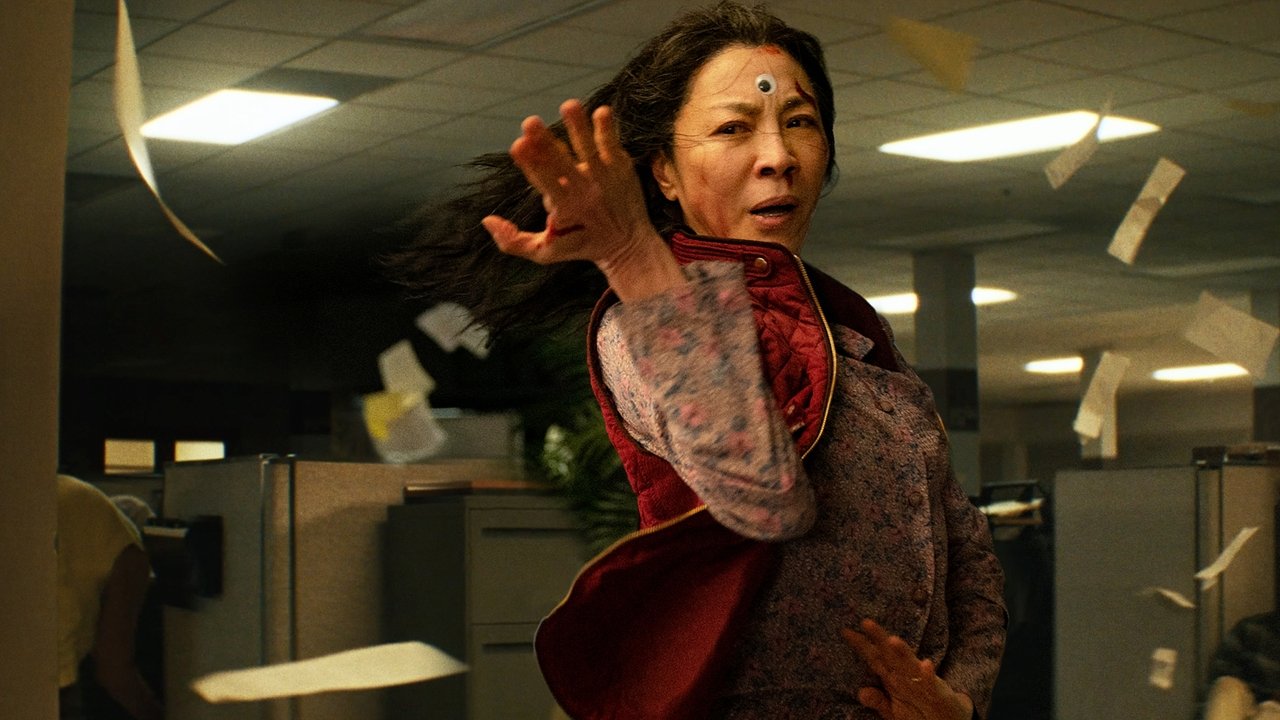
Google DeepMind just dropped $75 million on something that sounds like a sci-fi premise: partnering with indie darling A24 to build AI tools for filmmaking. The studio behind Everything Everywhere All At Once is now the testing ground for technology that could fundamentally change how movies and TV shows get made.
If your first reaction is a mix of fascination and unease, you’re not alone. But the story here is more interesting — and more complicated — than “AI is coming for Hollywood.”
Table of Contents
The Deal, in Plain Terms
Google DeepMind is investing $75 million into A24 in what both companies are calling a “first-of-its-kind” partnership. The arrangement: DeepMind provides the AI engineering muscle. A24 provides something that Silicon Valley has historically been terrible at getting — actual feedback from actual artists about what they actually need.
This isn’t about replacing writers, directors, or actors with algorithms. At least, that’s not how either side is framing it. DeepMind CEO Demis Hassabis put it this way: “We believe the best way to develop tools that empower artists is to work directly with them.” The goal, he says, is building features that “support artists in authentic, meaningful storytelling that helps enable their creative vision.”
That language matters. It’s careful. It knows exactly what the industry’s objections are going to be. And it’s a strategic choice of partner — A24 has spent a decade building the kind of artistic credibility that can’t be bought. You don’t collaborate with the studio behind Moonlight and Past Lives if you’re planning to automate the soul out of filmmaking.
Or so the pitch goes.
Why A24? The Strategy Behind the Partnership
A24 isn’t the biggest studio. It’s not the richest. But it might be the smartest partner DeepMind could have picked, for reasons that have everything to do with perception.
Walk into any pitch meeting with a major studio and say “AI filmmaking tools,” and you’ll get a room full of lawyers and anxious executives thinking about the WGA strike, SAG-AFTRA contract negotiations, and the PR nightmare of being the studio that replaced human creativity with code. Walk into A24, and you get a studio that’s built its entire brand on being artist-friendly. Directors want to work with them. Writers trust them. They’ve earned the kind of creative reputation that gives them permission to experiment without being accused of selling out.
That’s the asset DeepMind is paying $75 million to access — not A24’s technology stack (they don’t have one), not their IP library (DeepMind doesn’t need it), but their credibility with the creative community. The partnership is a shield against the inevitable backlash.
And the backlash is coming. It’s already here.
The AI Landscape in Hollywood Right Now
DeepMind and A24 aren’t working in a vacuum. The deals happening around them tell the real story:
Netflix acquired Ben Affleck’s company InterPositive earlier this year — a firm specifically focused on building AI tools for filmmakers. Amazon MGM Studios launched an in-house AI unit in February 2026 dedicated to television and movie production. Every major studio is either building, buying, or quietly exploring AI capabilities — something Hollywood has been dreaming about since the days of A.I. Artificial Intelligence.
The difference is that most of them are doing it behind closed doors. DeepMind and A24 are doing it with a press release and a quote about “empowering artists.” Whether that transparency is admirable or strategic depends on how cynical you are, but the signal is clear: the AI conversation in Hollywood has moved from “should we?” to “how do we do this without destroying everything audiences love about movies and TV?”
The strikes of 2023 drew battle lines that haven’t gone anywhere. Writers secured protections against AI-generated scripts. Actors fought for control over digital likenesses. Those contracts are temporary — they’ll be renegotiated — and every new tool DeepMind builds will test the boundaries of what those agreements actually protect.
What Could These Tools Actually Do?
Neither DeepMind nor A24 has specified exactly what they’re building. But based on DeepMind’s existing capabilities and the language in their announcement, we can make some educated guesses.
Pre-visualization and storyboarding. This is the low-hanging fruit. AI can already generate images from text descriptions. A tool that lets a director describe a scene and get back rough visual references in seconds — not to replace storyboard artists, but to iterate faster in early creative discussions — that’s genuinely useful and relatively uncontroversial.
VFX and post-production acceleration. DeepMind’s image and video models (think Veo, their video generation system) could dramatically speed up certain VFX workflows. Rotoscoping, background generation, de-aging — these are time-consuming, expensive processes that AI could make faster without necessarily replacing the creative decisions human artists make.
Editing and assembly. This is where it gets thornier. AI-assisted editing tools that can process hundreds of hours of footage and suggest rough cuts based on a director’s style or a script’s emotional beats — that starts creeping into territory traditionally owned by human editors and assistant editors. Helpful? Absolutely. Job-displacing? Also absolutely, if it’s rolled out without serious thought about how the industry absorbs the change.
Script analysis and development feedback. DeepMind’s language models could theoretically analyze screenplays for pacing issues, character consistency, or audience engagement patterns. Studio executives would love this. Writers will hate it. And the truth — as with most things — is somewhere in the messy middle: it could catch genuine structural problems, or it could flatten creative risks into algorithm-approved formulas.
The key variable isn’t the technology itself. It’s who controls it and how it’s deployed. A24’s involvement suggests (but doesn’t guarantee) that the tools will be designed to serve creators, not replace them. But A24 is one studio, and once these tools exist, they won’t stay inside A24’s walls.
What This Means for the Shows You Actually Watch
Here’s the part that matters if you’re not a studio executive or a VFX artist: what changes for the viewer?
In the near term, probably not much you’ll notice. The first wave of AI filmmaking tools will affect production pipelines, not final products. Backgrounds might get generated instead of built. Rough cuts might get assembled by AI before humans refine them. These are invisible changes to the audience — the show looks the same, it just got made differently.
The medium term is where things get interesting. If AI tools genuinely lower the cost and time required for high-quality VFX and animation, we could see more ambitious projects from smaller studios. A24 itself is a perfect example — they’ve always punched above their budget weight. Give them AI tools that make $50 million movies look like $150 million movies, and the creative possibilities expand.
The long term is the one worth worrying about — and being excited about. AI-assisted filmmaking could democratize production in a way that mirrors what happened with music (anyone with a laptop can make an album now) and publishing (anyone can write a book). The barrier to creating a visually stunning sci-fi series drops from “you need a studio and $100 million” to “you need a vision and the right tools.”
That’s genuinely exciting. It’s also genuinely terrifying if you’re someone whose career depends on the current system.
The Creative Tension Nobody’s Solved
There’s a fundamental tension at the heart of AI in Hollywood that the DeepMind-A24 partnership sidesteps but doesn’t resolve.
AI models are trained on existing work. They learn patterns from what’s already been made. The output, by definition, is derivative of the input — it can remix, recombine, and reimagine, but it can’t originate. Great filmmaking, the kind A24 has built its reputation on, comes from a place AI can’t reach: lived human experience, emotional truth, the specific weirdness of one person’s unfiltered imagination.
The tools can help execute the vision. They can’t have the vision.
Whether the industry remembers that distinction is the billion-dollar question. If AI becomes a way to make production cheaper and faster without changing the creative process, that’s a net positive. If it becomes a substitute for the risky, unpredictable, gloriously human act of making something original — that’s a loss no amount of efficiency can justify.
The DeepMind-A24 deal is fascinating precisely because it sits right on that fault line. The people involved are smart enough to know the risks. Whether they’re wise enough to avoid them is something we’re all going to find out together.
© Telepisodes [EST 2008 - 2018] Disclaimer | Sitemap | About | Blog | Use of this website constitutes acceptance of Telepisodes' Terms of Service and Privacy Policy.