Watch Series Online

Gilmore Girls Has Left Netflix After 12 Years — Here’s Where to Watch It Now
Raise your coffee cup and say goodbye. After 12 years, Gilmore Girls has officially left Netflix. As of July 1, 2026, all seven seasons of Stars Hollow’s favorite mother-daughter duo are streaming on Prime Video — ending one of the longest-running content partnerships in the streaming era and leaving millions of fans scrambling to figure out where their comfort show went.
If you woke up this morning, fired up Netflix, and couldn’t find Lorelai and Rory, you’re not alone. The move caught plenty of viewers off guard despite being announced back in late June. And the destination surprised almost everyone. Most industry watchers assumed the show would follow the Warner Bros. playbook and land on Max — just like Friends did when it finally departed Netflix. Instead, Warner Bros. struck a deal with Amazon.
Table of Contents
Where Gilmore Girls Lives Now (And Where It Doesn’t)
Here’s the breakdown because the streaming rights are, frankly, a little messy. All seven seasons of the original series (2000–2007) are now available on Prime Video with a standard subscription — no rental fees, no per-episode purchases. If you already have Amazon Prime for the shipping, you just gained 153 episodes of fast-talking, coffee-obsessed small-town drama at no extra cost.
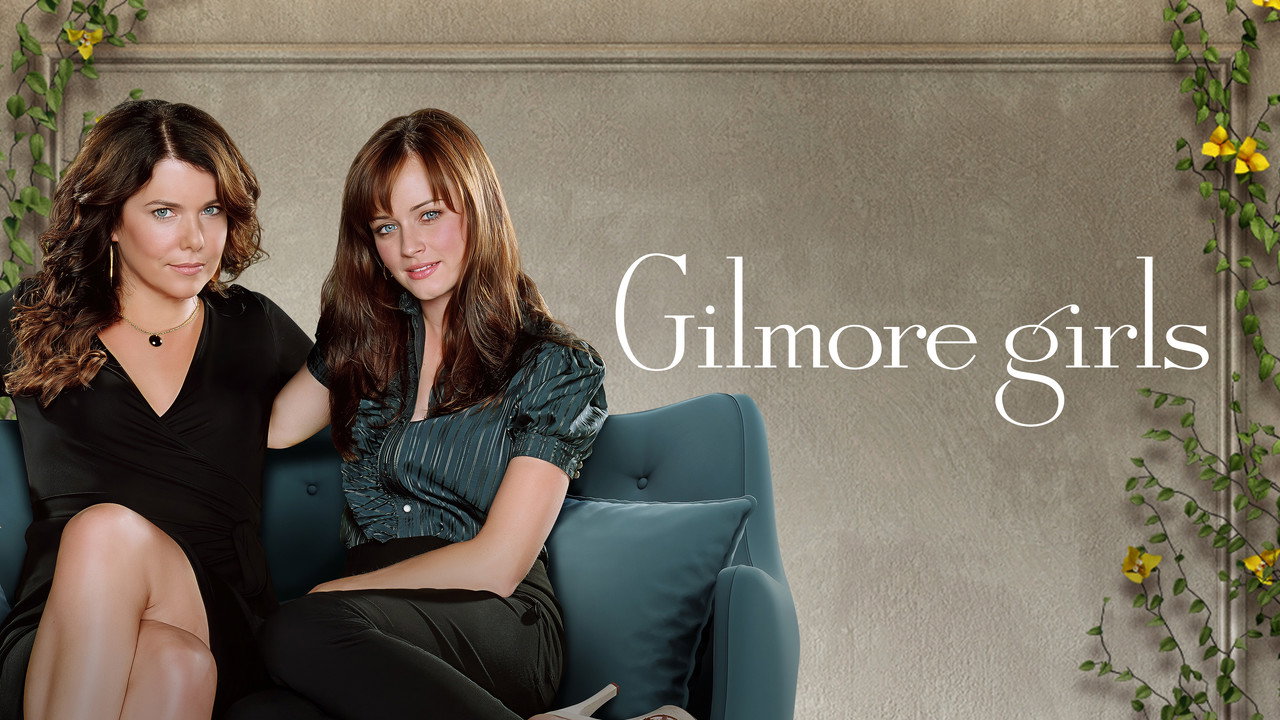
But Amazon didn’t get exclusive rights. The show also remains on Hulu, and if you have the Disney+/Hulu bundle, you can still access it there. That’s unusual — most high-profile streaming moves involve a clean break and an exclusive window — but it suggests Warner Bros. prioritized reach over platform loyalty. More people can keep watching, just not on Netflix.
One important footnote: Gilmore Girls: A Year in the Life, the 2016 four-episode revival miniseries, is staying on Netflix. At least for now. That deal runs through November 2026, at which point it could become another streaming free agent. Whether Amazon scoops it up to reunite the full Gilmore library remains to be seen, but if I had to bet — they will.
Why Not HBO Max?
This is the question everyone’s asking. Gilmore Girls is a Warner Bros. Television production. It aired on The WB (later The CW), both Warner-affiliated networks. When WarnerMedia launched HBO Max in 2020, the playbook was clear: reclaim the studio’s massive library and use it to drive subscribers. Friends and The Office were the two most-watched shows on Netflix, and Warner Bros. spent a fortune getting Friends back. Comcast paid even more to put The Office on Peacock.
So why didn’t Gilmore Girls land on Max? The answer probably comes down to two things: money and timing. Max’s subscriber growth has been solid but not spectacular, and the service is in the middle of a broader Warner Bros. Discovery restructuring that’s seen content budgets tighten and licensing deals become more strategic. Selling Gilmore Girls to Amazon likely brought in more immediate revenue than putting it on Max would have generated in new subscriptions — especially since the show already has a deeply established audience that Amazon can now monetize directly.
It’s also worth noting that this isn’t a permanent arrangement. Warner Bros. has been licensing its library titles on shorter-term deals, keeping the flexibility to pull them back when the streaming landscape shifts. Two years from now, Gilmore Girls could be on Max. Or Paramount+. Or somewhere nobody’s predicting yet.
What This Says About Streaming in 2026
The Gilmore Girls move is part of a much bigger story about how streaming has evolved from a land-grab era into something closer to the old cable model — just with different channel numbers. In 2014, when Netflix started licensing Warner Bros. shows aggressively, the strategy was simple: build the biggest library possible and keep subscribers hooked. Every show was a retention tool.
In 2026, that math has flipped. Studios now treat their libraries as revenue-generating assets to be shopped around. A show like Gilmore Girls, which consistently ranks among the most-streamed legacy titles even 19 years after its finale, is worth more as a licensing deal than as a Max exclusive. Amazon gets one of the most beloved comfort-watch shows ever made. Warner Bros. gets paid. Viewers get to keep watching, just on a different app.
The only platform that loses here is Netflix, and even that’s relative. Netflix has spent the last five years preparing for this exact scenario — investing billions in original content so it doesn’t depend on licensed library titles to retain subscribers. Losing Gilmore Girls stings, but Netflix losing Friends in 2020 was the real wake-up call. By now, the platform has built enough of its own hits (Stranger Things, Wednesday, Squid Game, Bridgerton) that individual library departures don’t move the subscriber needle the way they used to.
What About International Viewers?
If you’re outside the United States, breathe easy — for now. The move to Prime Video only affects U.S. streaming rights. Internationally, Gilmore Girls remains on Netflix, at least through the current licensing cycle. Warner Bros. handles international rights differently than domestic, and there’s no indication yet of a global shift. But if the Amazon deal performs well domestically, expect the international rollout to follow.
The Comfort Watch Factor
There’s a reason Gilmore Girls has survived — and thrived — across three different decades and multiple platform transitions. The show occupies a rare space in television: it’s sharp enough to reward attentive viewers but warm enough to work as background noise. The dialogue is dense and witty in a way that most modern shows are afraid to attempt. The mother-daughter relationship at its center is specific enough to feel real and universal enough to resonate across generations.
When you compare it to other comfort-watch staples from the same era — Gossip Girl for the early-2000s fashion and drama, or The O.C. for the California soap opera energy — Gilmore Girls holds up better because it was never trying to be cool. It was trying to be good. That difference matters when you’re still finding new audiences 19 years later.
So yes, it’s a little annoying to open Netflix and realize your comfort show isn’t there anymore. But the good news is that it didn’t disappear — it just moved a few apps over. And if you’re already paying for Prime, you just got one of the best shows ever made added to your library without spending an extra dime.
Sources: Deadline, Variety, Parade, Entertainment Weekly, People, Yahoo Entertainment.
© Telepisodes [EST 2008 - 2018] Disclaimer | Sitemap | About | Blog | Use of this website constitutes acceptance of Telepisodes' Terms of Service and Privacy Policy.