Watch Series Online

Five Nights at Freddy’s 3 Lands It Screenwriter Gary Dauberman — What We Know So Far
Blumhouse just made a power move that horror fans should pay attention to. The studio has tapped Gary Dauberman — the screenwriter behind the modern It films and the Annabelle trilogy — to pen the script for the next Five Nights at Freddy’s installment. If you’ve been following this franchise, you know exactly why this hire feels like a perfect match.
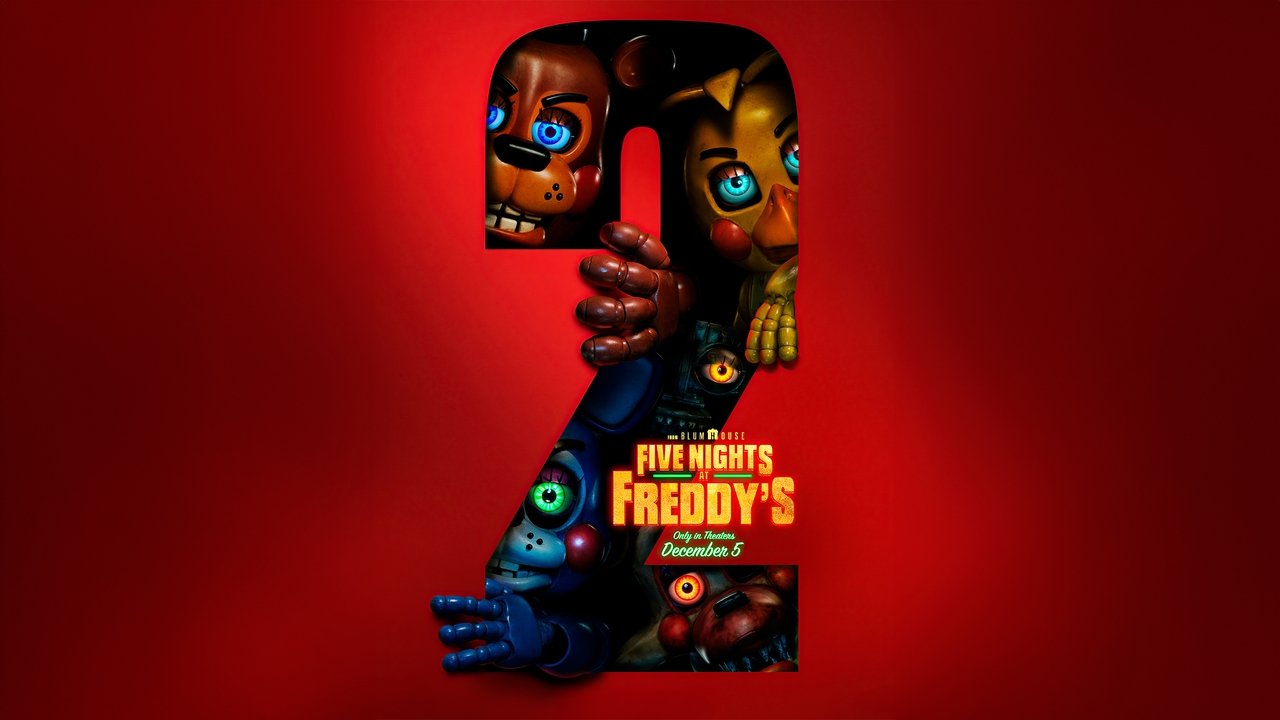
Dauberman isn’t just any horror writer. He’s the guy who turned Stephen King’s 1,100-page doorstop into two of the highest-grossing horror movies ever made, then followed it up by making a possessed doll one of the most reliable box office draws in the genre. Bringing that horror-savvy brain into Freddy Fazbear’s world signals that Blumhouse Atomic Monster isn’t coasting on name recognition — they’re building something that could outlast the current video game adaptation gold rush.
Table of Contents
The Writer Who Knows How to Scare
If you’re unfamiliar with Dauberman’s track record, here’s the highlight reel: he wrote It (2017), which scared up $704 million worldwide and proved that R-rated horror could be a four-quadrant event. He followed it with It Chapter Two, which pulled in another $473 million. Before that, he wrote Annabelle (2014), Annabelle: Creation, and The Nun — three entries in The Conjuring universe that collectively grossed over $1.5 billion.
The guy understands what makes audiences squirm. More importantly, he understands how to build characters worth caring about before the scares start. That’s been the secret sauce of the FNAF movies so far — they’re not just jump-scare delivery systems. They’re stories about broken families, guilt, and the ways trauma echoes through generations. Dauberman’s It scripts operated on the exact same wavelength.
Where the Franchise Stands
A quick reset on where we are: the first Five Nights at Freddy’s movie dropped in 2023 and became an unexpected phenomenon — $297 million globally on a $20 million production budget. It was the kind of return that makes studio executives wake up in cold sweats wondering why they didn’t greenlight it first. The sequel arrived in 2025 and pulled in $291 million, proving the first one wasn’t a fluke.
Both films starred Josh Hutcherson as Mike Schmidt, the haunted security guard trying to protect his younger sister while untangling the mystery of the missing children whose souls were trapped inside the restaurant’s animatronic mascots. Matthew Lillard chewed scenery as the sinister career counselor with ties to the original tragedies, and Elizabeth Lail grounded everything as the local cop who got pulled deeper into the nightmare than she signed up for.
Emma Tammi, who directed the second film, is returning to helm the third. That continuity behind the camera is a smart call — the sequel tightened the pacing, deepened the mythology, and proved she understands the tonal balancing act this material demands. Scott Cawthon, the creator of the original game franchise, remains involved as a producer, which means the lore that fans obsess over in subreddits and YouTube theory videos isn’t getting abandoned.
What Dauberman Could Bring to Freddy’s
The third film represents a genuine inflection point for this franchise. The opening weekend numbers suggest the audience is there and hungry. But the critical reception has been… let’s call it uneven. The first film landed at 32% on Rotten Tomatoes. The second climbed to 38%. Not great, but also not the point — horror fans don’t check Rotten Tomatoes before buying tickets.
What Dauberman brings is the ability to elevate material without losing the pulp energy that makes it fun. It wasn’t just scary — it was emotionally honest about childhood trauma, the bonds that form between outcasts, and the specific terror of realizing adults can’t protect you. Those themes map directly onto FNAF‘s DNA: abandoned children, failing institutions, the rot hiding beneath bright colors and cheerful songs.
There’s also the practical advantage. Dauberman has navigated the screenwriting politics of massive franchise installments before. He knows how to satisfy existing fans while creating entry points for newcomers. He knows how to write set pieces that justify IMAX upcharges without sacrificing the character work between them. And he’s already demonstrated he can do it multiple times without burning out.
The Bigger Picture for Horror
Blumhouse’s decision to invest in a top-tier screenwriter rather than chasing a bigger director or more expensive effects tells you something about where horror is headed in 2026. The genre is in the middle of a creative renaissance — It Chapter Two proved audiences will show up for ambitious, character-driven horror, and studios have finally internalized the lesson that scares work better when you care about the people experiencing them.
The Blumhouse model — modest budgets, creative freedom, theatrical-first release strategy — has become the template every studio is trying to replicate. And the FNAF franchise is its crown jewel: a built-in Gen Z audience, a deep mythology that rewards obsessive engagement, and intellectual property that costs less to license than a Marvel character’s jacket budget.
Dauberman getting the call isn’t just about this one movie. It’s a signal that Blumhouse sees FNAF 3 as a statement piece, not just another sequel. They’re not asking “how do we make another one.” They’re asking “how do we make this the one people remember.”
What the Games Hint at for the Third Chapter
The first film loosely adapted the events of the original Five Nights at Freddy’s game, while the sequel pulled from FNAF 2 and FNAF 3‘s lore. If the pattern holds, the third movie will likely dive deeper into the backstory of William Afton — the serial killer whose crimes created the haunted animatronics in the first place. Matthew Lillard’s character has been dancing around this reveal for two films now, and Dauberman’s knack for making villains both terrifying and tragically human feels purpose-built for the moment Afton steps fully into the spotlight.
Fans of the games know that FNAF 3 introduced Springtrap — a decayed, rusted animatronic suit with Afton’s corpse still inside it, brought back to life by the very evil he created. It’s one of the most genuinely unsettling designs in horror gaming history, and seeing it realized with Blumhouse’s practical-effects-first approach could be something special. If Dauberman can capture even half the dread of that first Springtrap reveal, the third film has a chance to be the scariest entry yet.
No release date has been announced yet, but IMDb currently lists the film for 2027. That gives Dauberman time to crack a story that deepens the mythology, delivers the scares fans expect, and maybe — just maybe — convinces a few critics that there’s more to Freddy Fazbear’s Pizza than jump scares and game references.
© Telepisodes [EST 2008 - 2018] Disclaimer | Sitemap | About | Blog | Use of this website constitutes acceptance of Telepisodes' Terms of Service and Privacy Policy.