Watch Series Online

EU Approves Paramount’s $111 Billion Warner Bros. Discovery Takeover — Mega-Merger Clears Major Regulatory Hurdle
Table of Contents
A Merger Milestone — and a Legal Showdown
The proposed $111 billion merger of Paramount Skydance and Warner Bros. Discovery has been the defining media story of 2026, and this week delivered two dramatically opposite developments within 48 hours. On Monday, a federal judge in California ordered a two-week pause on the transaction, granting a temporary restraining order requested by a coalition of 13 state attorneys general who argue the deal would harm competition. By Wednesday, the European Commission — the EU’s antitrust authority — handed Paramount a decisive win, approving the merger with conditions. The whiplash tells you everything about the complexity of pulling off one of the biggest corporate marriages in entertainment history.
What the EU Approval Actually Means
The European Commission’s greenlight is significant for several reasons, and it’s worth understanding what the EU regulators actually said. Their investigation concluded that even after combining, the merged Paramount-WBD would still face “sufficient competitive pressure” from rivals across film production, television distribution, and streaming. The Commission specifically named Disney, Netflix, Amazon, Comcast (NBCUniversal), and Apple as competitors who would keep the post-merger giant in check — a reality check for anyone who thinks consolidation automatically kills competition.
But the EU approval wasn’t unconditional. The Commission flagged concerns about film distribution to theaters, warning that the combined company’s market power could lead to “worse rental and distribution terms for cinema operators, ultimately disadvantaging consumers.” The conditions attached to the approval address these specific concerns, though the Commission hasn’t released the full details of Paramount’s commitments. What’s clear is that the EU sees theater distribution — not streaming — as the most concentrated part of the combined company’s business.
Paramount welcomed the decision, calling it “a major milestone” toward completing the acquisition. And the company didn’t miss the opportunity to use the EU’s findings against its U.S. critics, arguing that the approval “directly refutes key assumptions that underpin the state AGs’ complaint,” particularly regarding competition from smaller and newer film studios.
The U.S. Legal Drama: What Happens Next
The state attorneys general aren’t backing down. Their lawsuit, filed earlier this month, argues that the merger would create a media behemoth with too much control over both content production and distribution. The temporary restraining order issued by Judge Araceli Martinez-Olguin gives the court two weeks to decide whether to issue a longer preliminary injunction while the case proceeds.
Paramount has responded aggressively, requesting a three-day evidentiary hearing to argue against the injunction. The company has called the states’ claims meritless, and the EU’s conditional approval gives them fresh ammunition — it’s harder to argue the merger is anti-competitive when the world’s second-largest economy just signed off on it.
This legal tug-of-war is likely to continue. The states pushing the lawsuit — including New York, California, and Massachusetts — have signaled they’re prepared to fight the merger all the way, arguing it concentrates too much power in an industry that’s already dominated by a handful of players. The fact that a federal judge granted the TRO suggests the court sees merit in at least some of the states’ concerns, even if the EU disagrees.
What the Merger Would Actually Create
To understand why this is all happening, you need to appreciate the scale of what’s being proposed. Paramount Skydance already owns Paramount Pictures, CBS, Comedy Central, Nickelodeon, BET, and the Paramount+ streaming service. Adding Warner Bros. Discovery means absorbing Warner Bros. Pictures, HBO, CNN, Discovery Channel, TNT, TBS, Cartoon Network, Adult Swim, the DC library, and the Max streaming platform (formerly HBO Max).
The combined entity would rival Disney and Netflix in content library size, with thousands of film and television titles spanning nearly every genre and demographic. The DC superhero catalogue alone — Superman, Batman, Wonder Woman, Aquaman, and the entire extended universe — becomes a strategic asset that competes directly with Disney’s Marvel and Lucasfilm holdings.
For TV fans, the most visible impact would be on the streaming landscape. The combined company would operate both Paramount+ and Max, giving it two major streaming platforms alongside a massive library of HBO originals, CBS procedurals, Discovery reality content, and Paramount movies. Industry observers expect some degree of platform consolidation, though the specifics remain unclear.
The HBO Factor: A Crown Jewel in Play
No discussion of this merger is complete without addressing the HBO legacy. Warner Bros. Discovery’s most valuable asset is arguably HBO itself — the gold standard of prestige television that has produced everything from Game of Thrones to The Last of Us to Euphoria. Under the current WBD leadership, HBO has maintained its quality while expanding its reach through the Max platform.
Putting HBO under the Paramount umbrella raises obvious questions about creative independence. Paramount already owns Showtime, which competes in the same prestige-cable space. Would the two brands coexist, or would one absorb the other? The EU’s conditional approval suggests regulators have asked these questions too, but the answers won’t come until the deal closes.
Succession in Real Life
If all of this sounds familiar to dedicated TV fans, it should. The media-merger drama playing out in courtrooms and boardrooms is essentially Succession in real life — the Roy family’s fictional battles over Waystar RoyCo feel eerily prescient when you read the actual court filings about Paramount’s acquisition strategy. The show’s portrayal of media consolidation, family power struggles, and the tension between creative integrity and corporate profit was never just fiction.
The real-world parallels don’t end there. David Ellison, the tech investor behind Skydance (which merged with Paramount earlier this year), is the kind of Silicon Valley figure that Succession’s Logan Roy would have both courted and feared. The question hanging over the entire process is whether this deal ultimately serves the creative side of the business or whether it’s purely a financial engineering play designed to compete with Netflix’s scale.
What This Means for Streaming Subscribers
The immediate impact on consumers is minimal — the merger still faces significant hurdles before closing. But in the medium term, a combined Paramount-WBD would reshape the streaming landscape in ways that affect what you pay and what you watch.
Bundling is the most likely near-term outcome. If you’re already subscribed to both Paramount+ and Max, a merged company would almost certainly offer a combined subscription at a discount, similar to how Disney bundles Disney+, Hulu, and ESPN+. The question is whether the bundle would actually reduce your total cost or just lock you into a more expensive all-access tier.
Content consolidation is another consideration. When one company owns both CBS’s procedural lineup and HBO’s prestige dramas, the incentives shift toward keeping productions internal rather than licensing to competitors. That could mean fewer shows on Netflix that originated on Warner Bros. Television, and more exclusive content funneled to the merged company’s own platforms.
For fans of specific shows, the risk is that beloved series get lost in the shuffle of a massive library integration. The Yellowstone universe — already split across Paramount Network, Paramount+, and CBS — illustrates the complexities. Taylor Sheridan’s franchise has thrived despite corporate boundaries, but a larger, more consolidated company might take a different approach to content strategy.
The Warner Bros. Legacy and House of the Dragon
Among the assets Paramount would inherit, few are as valuable as the Warner Bros. film and television studio itself. The studio behind Harry Potter, the DC universe, and the prestige TV renaissance (through its HBO partnership) represents nearly a century of entertainment history. Under new ownership, the question becomes whether that legacy gets preserved or rationalized.
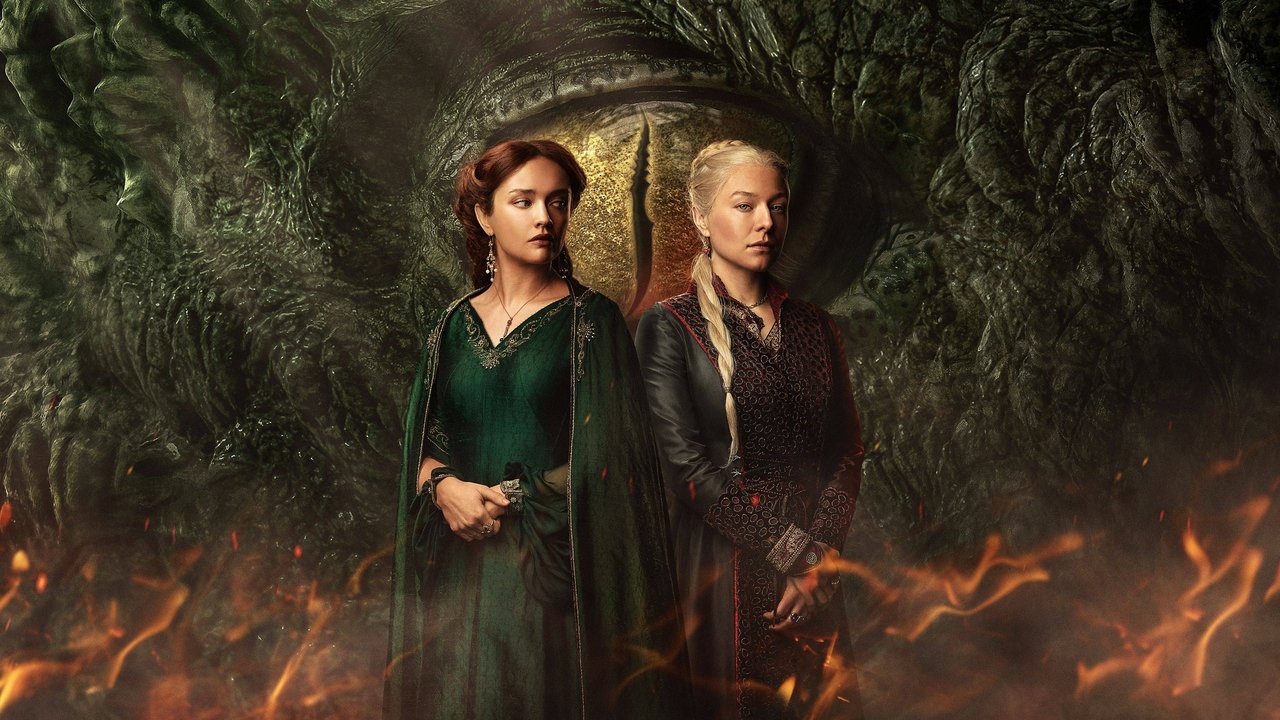
The House of the Dragon franchise is a perfect example. The Game of Thrones prequel has been a massive success for HBO, and its third season is currently in production. Under a merged Paramount-WBD, would the show continue to receive the same creative freedom and budget? The EU’s conditions suggest regulators are watching exactly these questions, but the day-to-day decisions will ultimately belong to the merged company’s leadership.
The Bigger Picture: Consolidation Isn’t Slowing Down
The Paramount-WBD merger is part of a broader wave of media consolidation that has reshaped the industry over the past decade. Disney bought Fox. Warner Bros. merged with Discovery. Amazon bought MGM. Now Paramount is trying to absorb Warner Bros. Discovery. Each deal was supposed to create a company big enough to compete with Netflix and the tech giants. Instead, streaming has become more fragmented, pricing has gone up, and consumers are increasingly frustrated with having to subscribe to six different services to watch what they want.
The irony is hard to miss: consolidation was supposed to simplify the streaming landscape, but every megamerger seems to create more complexity before it delivers any clarity. The EU’s approval of this deal doesn’t mean it’s smooth sailing from here — the U.S. legal challenge remains very much alive, and even if the deal clears all regulatory hurdles, integrating two massive entertainment companies with different cultures, systems, and creative sensibilities is a multi-year challenge. But for now, the most significant regulatory milestone has been cleared. The next few weeks will determine whether this deal becomes the defining media story of 2026 or collapses under the weight of antitrust scrutiny.
What to Watch Next
If you’re following the merger story, the key dates to watch are: the federal judge’s preliminary injunction decision (expected within two weeks), and the shareholder votes (which could happen shortly after regulatory approvals). On the creative side, HBO’s upcoming slate — including The White Lotus Season 4 and the next batch of House of the Dragon episodes — will serve as a barometer for whether the uncertainty affects production quality. And for the clearest window into what a merged Paramount-WBD might look like, you could do worse than watching Succession from the beginning. It turns out fiction really was the best preparation for this reality.
© Telepisodes [EST 2008 - 2018] Disclaimer | Sitemap | About | Blog | Use of this website constitutes acceptance of Telepisodes' Terms of Service and Privacy Policy.