Watch Series Online

Disney+ Free Tier and Netflix Always-On Live Channels — Streaming Giants Rethink Strategy
The streaming wars are entering a whole new phase. This week, two of the biggest players in the game — Disney+ and Netflix — both signaled major strategic shifts that could reshape how we watch content online. Disney+ is reportedly exploring a free ad-supported tier, while Netflix is considering always-on live TV channels. Taken together, these moves suggest that the streaming industry is moving away from the “all-you-can-eat subscription” model that defined the last decade.
Table of Contents
Disney+ Free Tier: Competing With YouTube and Tubi
According to a report from Business Insider, Disney is exploring the possibility of making some of its streaming library available to watch for free. Disney’s chief product and technology officer Adam Smith discussed the idea during a company town hall, though no timeline or specific programming plans have been announced.
The logic is straightforward: free ad-supported streaming services are eating into the time viewers spend on subscription platforms. Nielsen data shows that free streaming services now represent 18.7% of U.S. television watch time as of April 2026 — up sharply from 16.8% in April 2025 and 12.7% in April 2024. That’s a growth curve that Disney can’t afford to ignore.
Services like YouTube and Tubi are capturing an increasingly large share of viewers, particularly among younger demographics who are more price-sensitive and accustomed to ad-supported content. By offering a free tier, Disney+ could compete for those viewers while still driving premium subscribers toward its ad-free and bundled options.
Disney wouldn’t be the first to try this. Apple TV+ already offers select free episodes and limited-time free weekends to attract new viewers. Paramount+ also provides some free ad-supported content. But Disney’s library is arguably deeper and more valuable — the combination of Marvel, Star Wars, Disney animation, Pixar, and National Geographic content gives the company a catalog that few can match.
The big question is what content would be free. Industry speculation suggests older catalog titles and Disney Channel library content could be candidates, while major franchises like Marvel and Star Wars would likely remain behind the subscription paywall to preserve their premium value.
Netflix Always-On Live Channels
Meanwhile, Netflix is reportedly planning something it has long avoided: always-on live TV channels. According to The Wall Street Journal, the streaming giant is considering launching channels that continuously stream content, giving subscribers something to tune into 24/7 without having to choose what to watch.
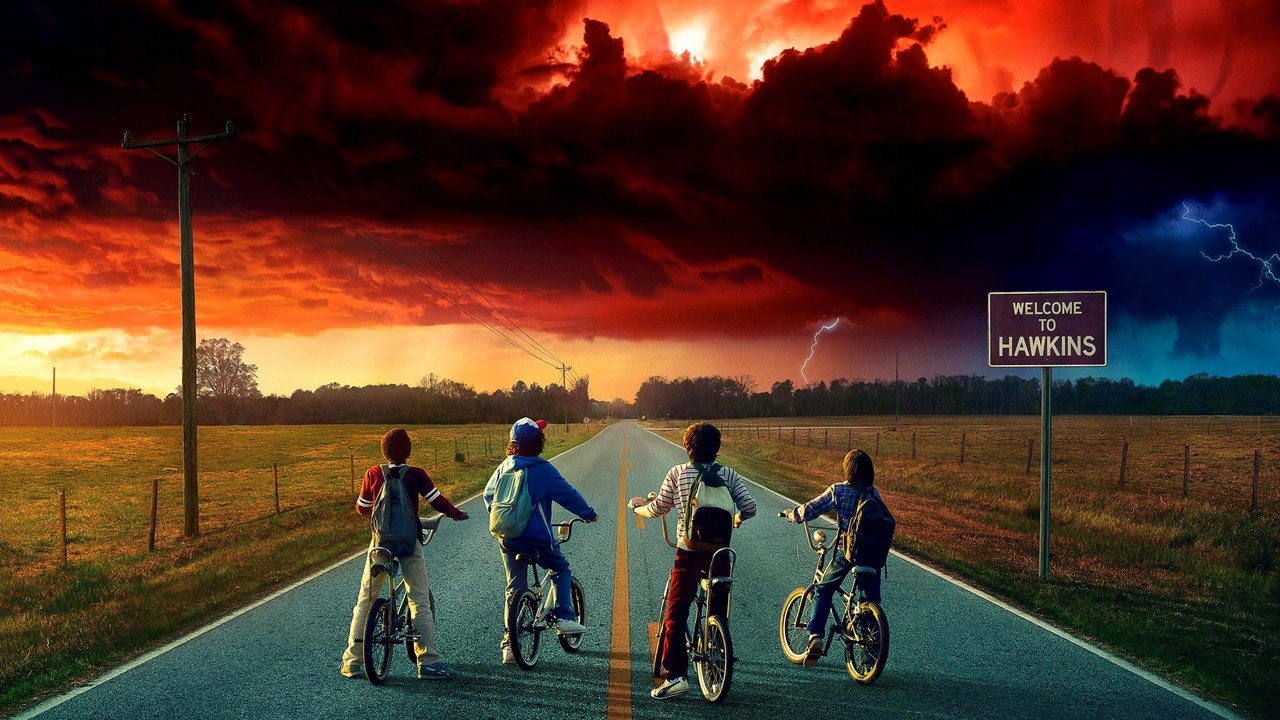
This would be a significant departure for Netflix, which built its entire brand around on-demand, binge-watching culture. Shows like Stranger Things defined the Netflix experience — drop a full season and let viewers devour it at their own pace. But the company is facing slowing engagement and increased competition. Nielsen data shows Netflix’s share of total TV viewing slipped to 7.8% in April 2026, down from previous periods.
The always-on channels would put Netflix in more direct competition with free ad-supported services like Pluto TV and Tubi. But there’s another motive here: live programming typically doesn’t allow viewers to skip commercials, which would give Netflix’s growing ad business a meaningful boost. It’s no coincidence that Netflix has been aggressively building its advertising infrastructure over the past year.
The WSJ also reports that Netflix is exploring bundles with other services, with Peacock mentioned as a potential partner. This mirrors what Apple and Amazon already offer — the ability to subscribe to multiple streaming services through a single platform and payment.
Netflix has been experimenting with several engagement-driving features recently, including short-form video content, video podcasts through a deal with iHeartMedia, and a standalone gaming app for kids. The company has also reportedly been in talks to acquire Letterboxd, the popular social platform for movie fans, signaling a broader ambition to become more than just a content library.
What These Moves Mean for Viewers
The streaming landscape is clearly in a state of transformation. After years of raising prices and cracking down on password sharing, the biggest platforms are now looking for ways to keep viewers engaged — and attract new ones — without further increasing subscription costs.
For viewers, the trend toward free and ad-supported tiers is good news if you’re willing to watch commercials. You’ll likely have access to more content without paying a monthly fee, even if it’s limited to older or less premium titles. For those who value the ad-free experience, premium subscriptions aren’t going anywhere — but you’ll be paying a growing premium for the privilege.
For Netflix, the move toward live channels signals a recognition that the “binge model” has limits. Not every viewer wants to commit to a 10-hour series. Sometimes you just want to turn something on and let it play — the same way people have been doing with One Piece or Silo for hours at a time. The always-on channel format caters to that passive viewing habit, and it’s a proven model that cable television perfected decades ago.
The bundles are perhaps the most interesting development. If Netflix and Peacock end up as part of a combined offering, it could trigger a wave of consolidation that reshapes the entire industry. Imagine a future where you subscribe to “the Disney bundle” (Disney+, Hulu, ESPN+) or “the Comcast bundle” (Peacock, Netflix, Sky) rather than managing six separate streaming accounts.
The Bigger Picture
Both Disney+ and Netflix are responding to the same underlying trend: the streaming market is maturing, and growth is getting harder to come by. The easy days of pandemic-era subscriber surges are over. Now the battle is about engagement, advertising revenue, and finding the right pricing model for a more cost-conscious audience.
Free tiers and live channels won’t replace the subscription model overnight. But they represent a fundamental shift in thinking. The streaming giants are no longer betting everything on the idea that viewers will pay premium prices for unlimited on-demand access. Instead, they’re building a more diverse set of offerings — some free, some ad-supported, some bundled — designed to capture viewers at every price point.
It’s a strategy that looks a lot like… cable television. And in many ways, the industry has come full circle. For fans of great storytelling — whether that’s through House of the Dragon on Max or Avatar: The Last Airbender on Netflix — the difference now is that the viewer has more choice than ever. Whether you want to pay $20 a month for ad-free Netflix or watch free Disney content with commercials, the option will soon be yours. And that flexibility might be exactly what the streaming industry needs to keep growing.
© Telepisodes [EST 2008 - 2018] Disclaimer | Sitemap | About | Blog | Use of this website constitutes acceptance of Telepisodes' Terms of Service and Privacy Policy.