Watch Series Online

Comcast Is Spinning Off NBCUniversal — What It Means for Peacock, The Office, and Your Streaming Future
Comcast just hit the eject button on the entertainment business. On June 29, the cable giant announced it’s spinning off NBCUniversal — the media empire that owns NBC, Telemundo, NBC News, Bravo, Universal Pictures, Universal theme parks, British broadcaster Sky, and, crucially, Peacock — into a separate publicly traded company. If you’re one of the 36 million people who have a Peacock subscription, this affects you more than you might think.
Here’s the short version: Comcast is splitting in two. One company handles the pipes — Xfinity broadband, Xfinity Mobile, fiber optic networks. The other handles everything that flows through those pipes — the TV shows, the movies, the news, the theme parks. Comcast co-CEO Mike Cavanagh will leave his current role to become NBCUniversal’s new CEO, while former Comcast CFO Michael Angelakis returns to run the slimmed-down Comcast. The split is expected to close within a year, pending board and regulatory approval.
For a while, Comcast will still have a hand in NBCUniversal’s business — it gets to keep up to a 19.9 percent stake for the first year after the split. Think of it as a parent letting go of the bicycle but keeping one hand on the seat. After that, NBCUniversal is on its own.
Peacock Is About to Get Tested for Real
This split matters because Peacock has been living under Comcast’s protection since it launched in 2020. When you’re part of a company that pulls in billions from broadband subscriptions, you can afford to lose money on streaming while you figure things out. That’s been Peacock’s reality — burning cash to build a library, sign up subscribers, and hope the math eventually works.
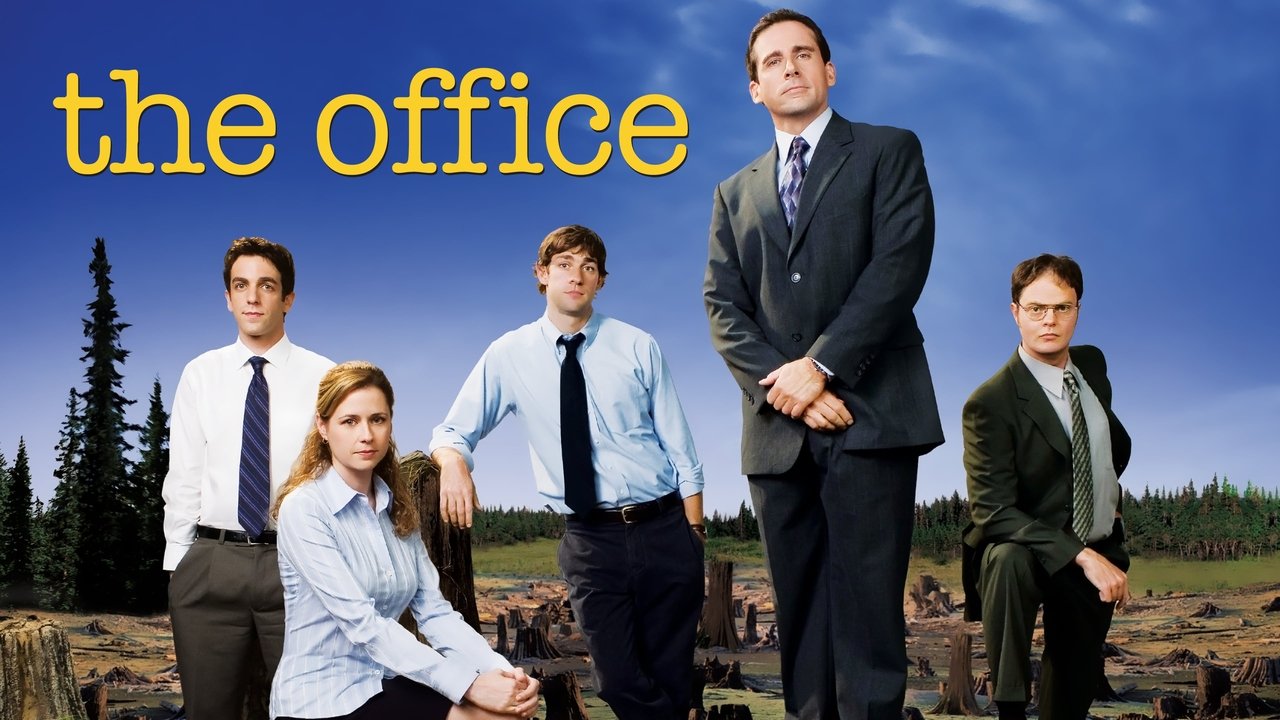
And to its credit, the math might actually be starting to work. NBCUniversal media chairman Matt Strauss claimed just weeks ago that Peacock is on track to become profitable in the current quarter. If that holds, the timing of the spin-off looks less like Comcast abandoning a sinking ship and more like it’s launching a lifeboat that can float on its own. Peacock has 36 million subscribers, a solid library of comfort shows that people actually rewatch (you know who you are, The Office fans), and a growing slate of originals that are starting to earn real attention.
But here’s the thing about being profitable under a parent company versus being profitable as a standalone business — they’re not the same. When Comcast owned NBCUniversal, Peacock’s losses were absorbed by the broadband business. As an independent company, NBCUniversal answers to its own shareholders. Every dollar Peacock spends on a new show is a dollar that can’t go toward theme parks or film production. The scrutiny gets real.
What NBCUniversal Gains (and Loses) From Freedom
There’s an upside to independence that doesn’t get enough attention. For years, Peacock and NBC have had to operate within Comcast’s strategic goals — which, let’s be honest, were always about protecting the cable bundle. Why make your shows too easy to stream when you want people paying for Xfinity TV? The spin-off removes that conflict entirely. NBCUniversal can now do whatever makes the most sense for NBCUniversal. That could mean expanding Peacock more aggressively, investing in bigger originals, or even being acquired by a company that wants NBC’s assets but doesn’t want Comcast’s cable infrastructure.
That last part is the sleeper storyline here. Analysts have been floating the idea that a standalone NBCUniversal becomes a much cleaner acquisition target. Someone like Amazon, Apple, or even a combined Paramount-Warner Bros. Discovery could look at NBCUniversal’s mix of broadcast TV, cable networks, a streaming service with 36 million subscribers, film studios, and theme parks and see the kind of scale that actually matters in 2026. Comcast’s broadband business was always the weird piece that didn’t fit with the entertainment puzzle — now that it’s separated, the puzzle pieces look a lot more compatible with other media giants.
For viewers, the immediate impact is probably minimal. Your Peacock subscription isn’t going anywhere. Poker Face, the Natasha Lyonne mystery series that became one of Peacock’s first genuine hits, will keep getting made. Bel-Air, the dramatic reimagining of The Fresh Prince, will keep telling its story. Saturday Night Live will keep being the institution it’s been for 50-plus years. The day-to-day streaming experience doesn’t change because of a corporate restructuring.
What might change is the long game. An independent NBCUniversal has more incentive to make Peacock indispensable — to invest in the kind of shows that make people subscribe and stay subscribed, rather than treating streaming as a side hustle to the cable business. If Peacock has to prove it can survive without Comcast’s broadband money padding the losses, it has to get better at being a streaming service. That could mean more originals, smarter pricing, or even bundling with other services. The pressure to compete with Netflix, Disney+, and whatever Paramount-Warner becomes will be real.
The Bigger Picture: Streaming’s Great Unbundling
Comcast’s move isn’t happening in a vacuum. The entire media industry is deconstructing the conglomerate model that defined the 2010s. Disney is under pressure to prove its streaming business works. Warner Bros. Discovery and Paramount are in the middle of a $111 billion merger that just got DOJ approval. Netflix, the one pure-play streamer that never had a cable business to protect, keeps growing while everyone else plays catch-up. The message is clear: being a hybrid cable-and-streaming company is harder than anyone expected, and the market is rewarding focus.
Comcast is essentially betting that two focused companies — one on infrastructure, one on entertainment — are worth more separately than together. History suggests that sometimes works (look at what happened after eBay spun off PayPal) and sometimes it doesn’t. The difference here is that NBCUniversal is spinning off into a media landscape that’s consolidating at breakneck speed. It could thrive independently. It could get acquired within two years. Either outcome puts Peacock at the center of the action.
For now, the takeaway is straightforward: Peacock just got promoted from protected subsidiary to standalone business, and everything about how it competes is about to change. The streaming wars aren’t over — they’re just entering a new phase where the players are shuffling and the stakes are higher. If you’re one of those 36 million subscribers, you’re along for the ride whether you know it or not.
And hey — if nothing else, at least 30 Rock and Parks and Recreation aren’t going anywhere. The comfort watches are safe.
© Telepisodes [EST 2008 - 2018] Disclaimer | Sitemap | About | Blog | Use of this website constitutes acceptance of Telepisodes' Terms of Service and Privacy Policy.