Watch Series Online

Bob Chapek’s ‘Behind the Castle Walls’: Inside the Memoir of Disney’s Ousted CEO
Table of Contents
Every Empire Has a Story It Doesn’t Want Told
For a company that sells magic, Disney is famously tight-lipped about what happens behind the curtain. So when an ousted CEO decides to write a memoir, the industry tends to lean in. That’s exactly what’s happening with Bob Chapek, who ran the Walt Disney Company from February 2020 to November 2022 and is now ready to tell his side of one of the most turbulent stretches in the company’s history.
The book is called “Behind the Castle Walls: My Thirty Years at the Happiest Place on Earth,” and it’s arriving September 29 from Gallery Books, an imprint of Simon & Schuster. At 272 pages, it promises to pull back the curtain on the high-stakes maneuvering that defined Chapek’s tenure — from his appointment as Bob Iger’s hand-picked successor to his abrupt dismissal less than three years later.
From Home Video to the Corner Office
Chapek’s path to the top reads like a classic corporate climb. He grew up in small-town Indiana, raised by his mother and his WWII-veteran father, in a household where, according to the book’s publisher, he “learned that hard work, dedication, resilience, preparation, curiosity, grit and determination can take you far.”
He joined Disney in 1993 as a marketing director for home entertainment — back when “home entertainment” meant VHS tapes and DVDs flying off retail shelves. From there he climbed through a series of increasingly powerful roles: president of Disney Consumer Products, then chairman of Disney Parks, Experiences and Products. That last job is the one that made him a known quantity inside the company. Running the parks division put him in charge of the crown jewels — the theme parks, cruise ships, and resort properties that print money for Disney in good times and become a massive liability in bad ones.
That experience is probably why Bob Iger chose him. When Iger, Disney’s legendary CEO, picked his successor in early 2020, he tapped a company lifer with deep operational experience rather than a flashy outsider. On paper, it made sense: hand the operational keys to the guy who knows how to run the parks, and keep the creative vision at the top.
The Two Hardest Years in Disney History
Then reality intervened. Within weeks of Chapek taking over in February 2020, the COVID-19 pandemic shut down Disney’s parks, theaters, and cruise ships. The company that makes a fortune from putting people in the same physical space was suddenly forbidden from doing exactly that. As the book’s official blurb puts it, Chapek had to “steer the billion-dollar empire through unprecedented times. The stakes were high, the decisions unforgiving, and the backlash often inordinate.”
The pandemic forced Disney into an accelerated bet on streaming. Disney+, which had launched under Iger in November 2019, became the company’s lifeline — and Chapek pushed the pedal down. The platform added subscribers at a dizzying pace, crossing 100 million within its first year and a half, but the cost was brutal. Disney’s streaming division was burning through cash at an alarming rate; by the company’s own earnings reports, its direct-to-consumer segment posted an operating loss of roughly $8 billion in fiscal 2022 as content spending exploded.
It wasn’t just the money. Chapek’s era was marked by a string of high-profile missteps that turned public opinion against him. The hybrid theatrical-plus-premium release of Black Widow in 2021 sparked a lawsuit from Scarlett Johansson over her box-office bonus — a fight that was settled out of court but left a lingering impression of a company at odds with its own talent. And in March 2022, Chapek drew heavy criticism for Disney’s initially muted response to Florida’s so-called “Don’t Say Gay” law, which triggered employee walkouts and forced him into a public apology. For a company whose brand is built on family warmth, the optics were terrible.
A Contract Renewal, Then a Fall
The strange thing about Chapek’s ouster is how sudden it was. In June 2022, the Disney board renewed his contract — a public vote of confidence. Five months later, in November 2022, the same board fired him and called Iger back out of retirement.
The official rationale, spelled out in a 2023 regulatory filing, was blunt: the board “determined that Mr. Chapek was no longer the right person to serve in the CEO role,” pointing to “the significant developments and change in the broader macroeconomic environment” and the rapidly evolving industry. Translation: the streaming transition had gotten messy, the stock had cratered, and the board wanted its old magic back.
Iger’s return was greeted like a royal homecoming. He immediately began unwinding parts of Chapek’s strategy, cutting costs, restructuring the company, and reasserting creative control. For nearly three and a half years, Iger steered the ship again — until this past March, when he stepped down once more, this time handing the keys to Josh D’Amaro, the former head of Disney’s parks division. Yes, the same role Chapek once held. History, it turns out, has a sense of symmetry.
The Scapegoat Question
Which brings us to the central question of the memoir: was Bob Chapek a failed CEO, or was he the fall guy for circumstances that would have crushed anyone? The book’s own language suggests Chapek believes the latter — that he “wonder[ed] whether he had become the scapegoat in it all.”
It’s a fair question, honestly. Chapek inherited a company about to be hit by a once-in-a-century global event. Nobody had a playbook for shutting down the happiest place on earth. And some of the decisions that got him fired — the streaming spending spree, the pivot to direct-to-consumer, the willingness to ruffle Hollywood feathers — were exactly the strategies the industry was demanding at the time. The same investors who applauded aggressive streaming growth in 2020 were the ones punishing Disney’s stock for it in 2022.
But Chapek also made his own share of self-inflicted wounds. The Don’t Say Gay saga was a communications disaster of his own making. The Black Widow fight signaled a breakdown in trust with creative partners. And by his own account in the book, the decisions were “unforgiving” — which is one way of admitting that the man in the chair bears some responsibility for how it all went down.
Where Disney Stands Now
The memoir lands at an interesting moment for Disney. The company has spent the last few years stabilizing: streaming losses have narrowed as price increases and cost cuts took hold, the theatrical business bounced back, and the parks — now under D’Amaro’s leadership — remain the reliable cash engine they’ve always been. Disney+ has evolved from a growth-at-all-costs play into a business that’s actually expected to make money.
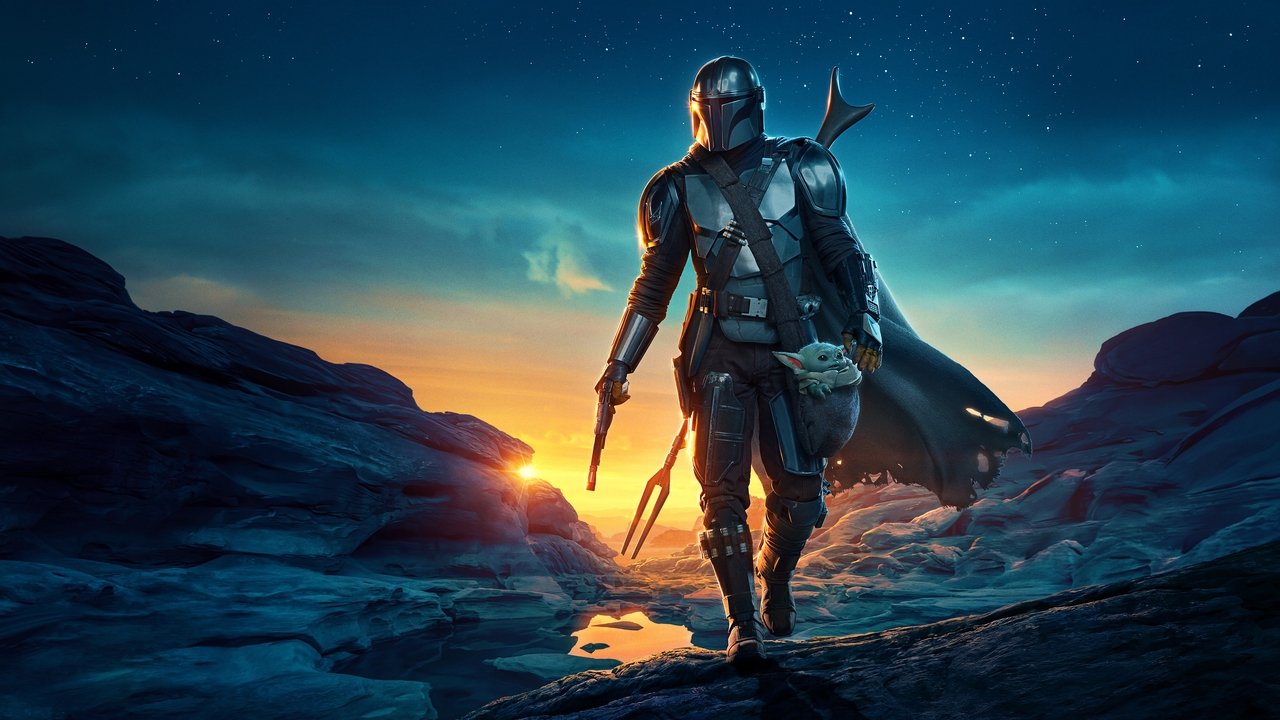
In other words, the “streaming wars” era that Chapek embodied has matured into something more pragmatic. The shows he greenlit and the strategy he championed laid the groundwork: The Mandalorian made Disney+ a must-have for Star Wars fans, Andor proved the galaxy far, far away could do prestige drama, and Marvel’s streaming slate — from Loki to WandaVision — turned the MCU into a year-round TV operation. The animated empire that keeps the franchise machine humming, from Toy Story to Frozen, remained untouched through all the turmoil. Even the adult-skewing bets like The Bear on Hulu — Disney-owned — have become awards-season powerhouses.
Why This Memoir Matters
Corporate tell-alls from fired executives are usually either score-settling exercises or carefully curated PR. Chapek’s book looks like it will be a bit of both — which is exactly why it’s worth reading, even if you’re not a Disney shareholder. Disney is one of the most secretive companies in entertainment, and a 30-year insider writing about the culture, the politics, and the decision-making at the highest level is genuinely rare.
More than that, the memoir is a case study in how streaming reshaped Hollywood — and what it costs the people caught in the middle. Chapek’s story is, in many ways, the story of every executive who got promoted right before everything changed: hired to do a job, handed a crisis nobody predicted, judged on outcomes that were never fully in their control, and then asked to leave while the company moves on.
Whether you think Chapek was a victim of circumstance or the architect of his own downfall, “Behind the Castle Walls” promises to be one of the most talked-about entertainment books of the fall. Pre-orders open now, and the release is set for September 29. If you care about how the biggest media company on earth actually works — and who gets blamed when the magic starts to fade — this is the book to watch.
So what do you think — was Chapek a scapegoat, or did Disney make the right call in 2022?
© Telepisodes [EST 2008 - 2018] Disclaimer | Sitemap | About | Blog | Use of this website constitutes acceptance of Telepisodes' Terms of Service and Privacy Policy.