Watch Series Online

Avengers: Doomsday Shot Without a Finished Script — Russos Defend the ‘Living Organism’ Approach
Table of Contents
The Russos Went Into Avengers: Doomsday Without a Finished Script — and They’re Not Sorry
There’s a moment in every big franchise cycle when the internet angles its pitchforks at a director’s process and demands a formal explanation. This week, that moment belongs to Anthony and Joe Russo, who have revealed that they started shooting Avengers: Doomsday without a finished script. On paper, that sounds like the setup for a cautionary tale. But in an interview with the Associated Press that surfaced Wednesday, the brothers who steered the MCU through Infinity War and Endgame are doing anything but apologizing.
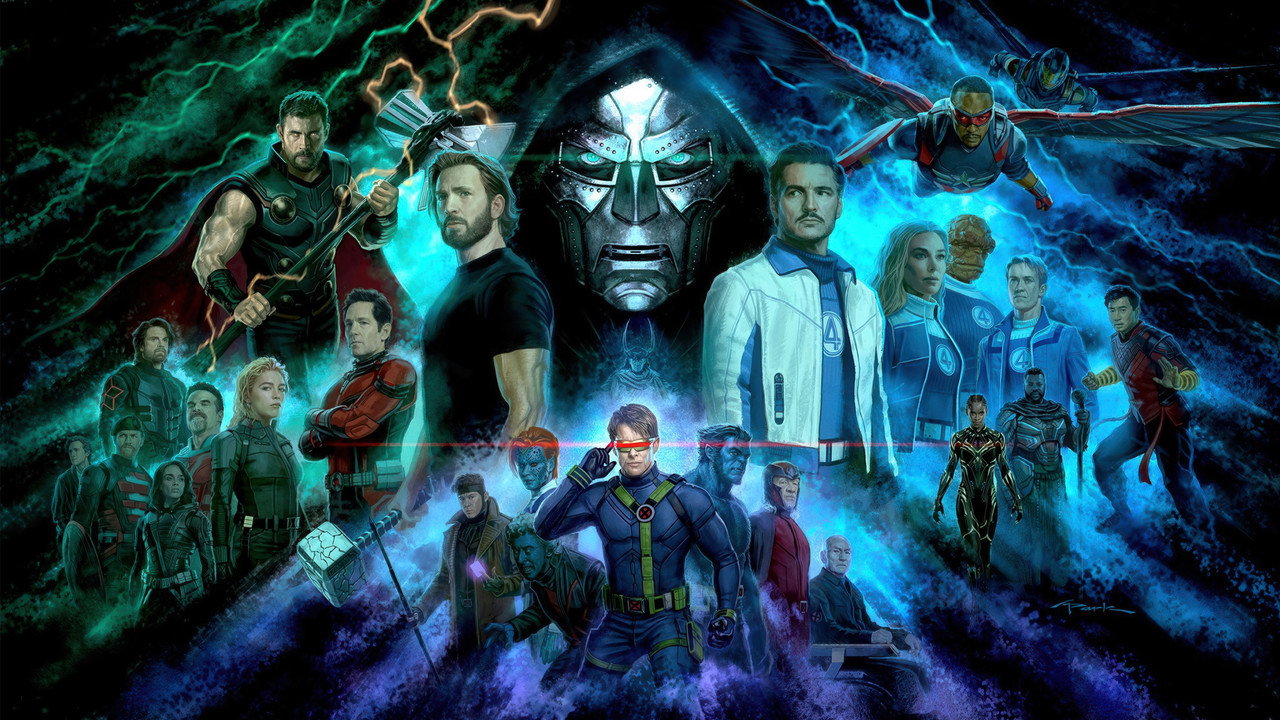
“We always view the script as a living organism,” Joe Russo said. “We’re improvisation-based, rehearsal-based directors. We like to see what the actors bring to the characters, and sometimes you don’t get the actors until a few days or a few weeks before you shoot them. And a lot of the time, that’s when the magic happens.”
It’s a confident stance, and it’s worth unpacking before we file it under either genius or hubris. Coming into the biggest film the studio has ever made, the Russos are betting that the messy, adaptive energy of production beats locking a page count months in advance. Given what they pulled off in Avengers: Endgame, plenty of fans are inclined to trust the process.
How We Got Here: From Kang to Doom
The unfinished script wasn’t a choice so much as an inevitability — and the “living organism” quote only makes sense once you understand the bumpy road Doomsday took to the screen. Three years ago, this movie was supposed to be called The Kang Dynasty, with Jonathan Majors headlining as the multiverse’s would-be conqueror. After Majors was dropped from the franchise following his domestic assault conviction, Marvel had to toss that entire plan and start over.
In that scramble, the Russos — who had spent years swearing they were done with superhero movies after Captain America: Civil War, Infinity War, and Endgame — were brought back aboard. The catch was that they walked into the studio without a completed script to work from. No locked story, no finalized structure, just the job of building an Avengers film from the ashes of a Frankenstein of assets, actors, and ideas.
That’s an enormous amount of weight to carry into a movie that still needs to open theaters in December. But it’s also very much the Russos’ brand. Their entire career has been built on drawing a loose shape and letting performers find the comedy, the chemistry, and sometimes the entire plot in the room.
“That’s When the Magic Happens”
The brothers have never been shy about their process. They’ve talked for years about shooting more improvisationally than most blockbuster directors, treating the screenplay as a flexible document that evolves with the cast. The reason, Joe explained, is simple: you can’t know what a scene needs until the actors physically show up and start playing.
It’s the same instinct that made Infinity War feel so alive despite its enormous ensemble — a quality Thunderbolts* tried to carry into a scrappier corner of the franchise. When you cast an actor, you’re casting a human being with instincts, timing, and a sense of what makes a line land. The Russos want room for that.
The risk, of course, is the flip side: changes made in the moment can ripple outward, rewrite the climax, and leave months of VFX work scrambling to keep up. Doomsday isn’t a trickle — it’s reported to clock in around 165 minutes and carries what Marvel has described as a multiversal “cascading crisis.” That’s a lot of plates to spin while the script is still technically a draft.
The Cast That Makes It All Make Sense
This is also where the “living organism” approach starts to look less like a gamble and more like a necessity. Doomsday is assembling one of the largest casts Marvel has ever fielded, and talent was still being locked right up to the wire — which is exactly why the script couldn’t be frozen months ahead of shooting.
Robert Downey Jr. is back, though not as Tony Stark. He’s playing Victor von Doom, the armored villain whose presence reframes the entire multiverse. Chris Evans returns as well, reportedly as Steve Rogers. Around them, the roster sprawls: Chris Hemsworth, Vanessa Kirby, Anthony Mackie, Sebastian Stan, Letitia Wright, Paul Rudd, Wyatt Russell, Tenoch Huerta Mejia, Ebon Moss-Bachrach, Shang-Chi star Simu Liu, Florence Pugh, Kelsey Grammer, Joseph Quinn, Danny Ramirez, Patrick Stewart, Ian McKellen, and Channing Tatum.
Writers Stephen McFeely and Michael Waldron — the latter fresh off Loki and Doctor Strange in the Multiverse of Madness — are credited with the story. Waldron has spent the last several years building the exact kind of multiversal, loosely-structured storytelling that rewards improvisation. The script may be a living organism, but it’s being shepherded by people who understand how that organism breathes.
Why December? The Calendar Tells the Story
Doomsday was originally scheduled for May 1, 2026, a prime summer launch. Marvel quietly slid it to December 18, 2026, pushing Avengers: Secret Wars to December 17, 2027 in the process. Disney’s public reasoning was straightforward: give the whole project more breathing room in post-production — where a film this effects-heavy actually comes together — and avoid stacking two massive MCU titles in the same crowded corridor.
That extra runway matters even more when your shooting process is as fluid as the Russos’. A script that evolves on set generates more VFX turnover, more re-shoots, more “we realized the Doom speech should happen on the other side of that explosion” moments. The December slot is Marvel quietly admitting that the old ironclad summer deadline doesn’t fit how this movie wants to be made.
For fans eagerly tracking a franchise that has spent the last couple of years whipping between highs and lows, the wait to Loki-style multiverse chaos and the grand Doom rollout feels longer by the day. But the Russos’ point is worth hearing: some of the best moments in their Marvel run came from leaving the door open in the room, not from closing it early. Whether Doomsday lands as a triumph or a cautionary tale, it’s shaping up to be the most candidly-described big-budget production in years.
Does This Approach Work in an Avengers-Sized Movie?
There’s a school of thought that says iterative, improvisational filmmaking works beautifully for character pieces and indie ensembles, but gets unwieldy the moment a single story has to service two dozen heroes, a villain, and a multiverse-spanning threat. The Russos would counter that Infinity War and Endgame were exactly that kind of machine — and both were made with an unusual willingness to let the ensemble bend the story to their strengths. What looks like chaos from the outside is, to them, the difference between a committee-written blockbuster and one that lets its cast actually play.
It is also, frankly, how a lot of great mainstream action actually gets made. Directors like Christopher Nolan lock their scripts down hard; directors like the Russos leave seams open on purpose. Neither is wrong. The real question isn’t whether Doomsday had a finished script when cameras rolled — it’s whether the finished film honors all that talent on screen when it finally lands in December. On that, the brothers want to be judged on results, not process.
© Telepisodes [EST 2008 - 2018] Disclaimer | Sitemap | About | Blog | Use of this website constitutes acceptance of Telepisodes' Terms of Service and Privacy Policy.