Watch Series Online

Andy Serkis Defends The Hunt for Gollum’s All-White Cast — The Lord of the Rings Diversity Debate Explained
Table of Contents
Andy Serkis on LOTR: The Hunt for Gollum’s All-White Cast — and Why It’s Sparked One of the Year’s Biggest Hollywood Debates
Andy Serkis has spent more than two decades inhabiting the skin — or rather, the motion-capture suit — of Gollum, the tortured creature at the heart of The Lord of the Rings. Now, he’s stepping behind the camera to direct The Lord of the Rings: The Hunt for Gollum, a new film set between the events of The Hobbit and The Fellowship of the Ring. And before a single frame has been shot, it’s already at the center of a heated conversation about diversity in Hollywood.
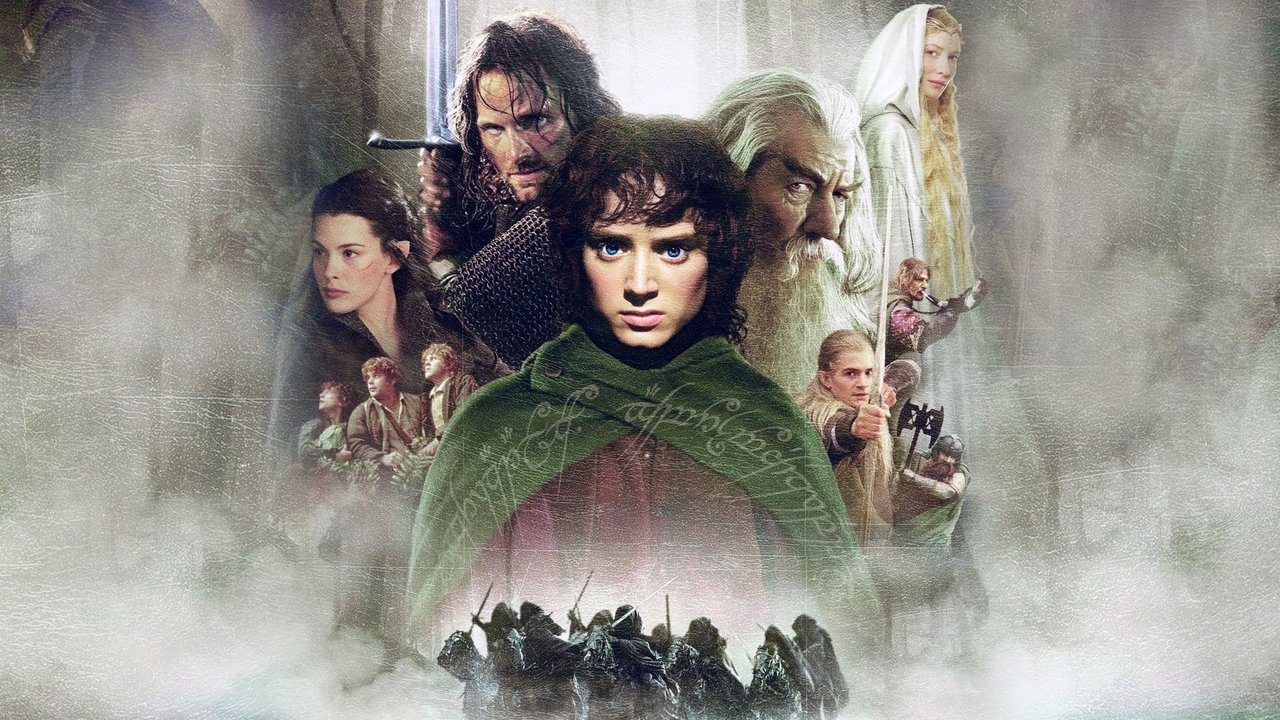
In a recent interview with BBC News, Serkis was asked directly about the lack of diversity in his film’s cast — which so far features an all-white lineup of actors including Kate Winslet, Jamie Dornan, Anya Taylor-Joy, and Leo Woodall, alongside returning franchise veterans Ian McKellen and Elijah Wood. His response has sparked debate across social media and entertainment news, with reactions ranging from understanding to outright frustration.
What Serkis Said
When pressed on why The Hunt for Gollum has an all-white cast, Serkis pointed to two things: J.R.R. Tolkien’s source material and the film’s setting.
“Tolkien himself was influenced a lot by Norse mythology, there’s a lot of that feeling,” Serkis told the BBC. “The Shire feels very, very much like a very, a very white, you know… They’re not very concerned about what goes on beyond the borders of The Shire, but they know they don’t want people coming in.”
He acknowledged the criticism that has followed the Lord of the Rings franchise for years, saying: “Yes, there have been criticisms. This particular film is somewhat acknowledging that. But we don’t think we will be doing a politically correct just-casting-for-the-sake-of-casting-and-ticking-boxes version of the film. So, it’s only where relevant basically.”
The phrase “politically correct” and “ticking boxes” immediately drew attention — and not all of it positive. Critics argue that framing diverse casting as inherently political or performative ignores the fact that Middle-earth is a fantasy world with endless creative possibilities, not a historical documentary bound by demographic accuracy.
The Cast So Far
The Lord of the Rings: The Hunt for Gollum features an undeniably impressive lineup. Andy Serkis reprises his iconic role as Gollum. Ian McKellen returns as Gandalf, and Elijah Wood is back as Frodo Baggins, marking the first time the original trilogy’s core trio (at least in spirit) has reunited on screen. Lee Pace returns as King Thranduil from The Hobbit trilogy.
New additions include Kate Winslet as Marigol, Anya Taylor-Joy as Seren (an elf), Jamie Dornan as a younger Aragorn/Strider, and Leo Woodall as Halvard. The cast is undeniably stacked with talent — but it’s also, so far, entirely white. For fans of the original trilogy, The Two Towers and The Hobbit remain essential viewing to understand the world Serkis is building upon.
The Rings of Power Comparison
The contrast with Amazon’s The Lord of the Rings: The Rings of Power is impossible to ignore. That series, which airs on Prime Video, made a deliberate effort to cast diversely — featuring Black elves, Harfoots, and dwarves, as well as actors from a wide range of ethnic backgrounds. While The Rings of Power faced its own backlash from a vocal corner of fandom accusing it of “woke” casting, it also earned praise for expanding the visual language of Middle-earth to reflect a more global audience.
Serkis’s comments seem to deliberately distance The Hunt for Gollum from The Rings of Power‘s approach. By saying they won’t cast “for the sake of ticking boxes,” he’s positioning his film as more faithful to Tolkien’s original vision — a stance that resonates with purists but frustrates those who see the franchise’s lack of diversity as a long-standing blind spot.
For context — across all six Lord of the Rings and Hobbit films directed by Peter Jackson, there has never been a person of color in a leading role. Not one. That’s over 20 hours of blockbuster filmmaking set in a world populated by elves, dwarves, wizards, orcs, and hobbits — and every single one of them has been white. The franchise is now more than two decades old, and this question hasn’t gone away.
What the Film Is Actually About
The Hunt for Gollum is set in the 60-year gap between The Hobbit and The Fellowship of the Ring. The story follows Gandalf’s mission to find Gollum, who is being hunted by both Sauron’s forces (who want the Ring’s location) and Aragorn’s rangers (who want to prevent that from happening). It’s a crucial piece of Middle-earth history that’s only been hinted at in the existing films.
Peter Jackson, Fran Walsh, and Philippa Boyens — the creative trio behind the original trilogy — are producing. Serkis, who played Gollum and served as second unit director on The Hobbit trilogy, is making his directorial debut on a major franchise film. The movie is scheduled for release on December 17, 2027, having been pushed back from an earlier 2026 date.
Where This Leaves the Franchise
The diversity debate around The Hunt for Gollum is part of a larger conversation about representation in fantasy. The Lord of the Rings franchise has been grappling with this tension for years, and The Rings of Power showed one way forward. Serkis and Warner Bros. are choosing a different path — one that leans into the “Norse mythology” roots of Tolkien’s world-building.
Whether that choice satisfies audiences or further alienates those who’ve been calling for change will become clear when the film arrives in 2027. What’s certain is that the conversation isn’t going away. Fantasy has always been a genre that thrives on imagination and world-building. If you can imagine dragons, magic rings, and immortal elves, the argument goes, you can certainly imagine a Middle-earth that looks more like the world we actually live in.
For now, The Hunt for Gollum remains one of the most anticipated — and most debated — films in development. Andy Serkis is a talented filmmaker with deep love for this world. The question is whether that love extends to making everyone feel welcome in it.
What do you think about the diversity debate surrounding The Hunt for Gollum? Should filmmakers prioritize faithfulness to Tolkien or modern representation? Share your thoughts in the comments.
© Telepisodes [EST 2008 - 2018] Disclaimer | Sitemap | About | Blog | Use of this website constitutes acceptance of Telepisodes' Terms of Service and Privacy Policy.