Watch Series Online

Ad-Free Streaming Is Officially a Luxury Now — and the Math Behind It Is Brutal
Remember when the whole pitch for streaming was “cheaper than cable and no commercials”? That promise has been slowly disintegrating for about five years, and in 2026 it’s officially dead. Ad-free streaming isn’t just more expensive now — it’s crossed the line from a standard feature into a genuine luxury purchase.
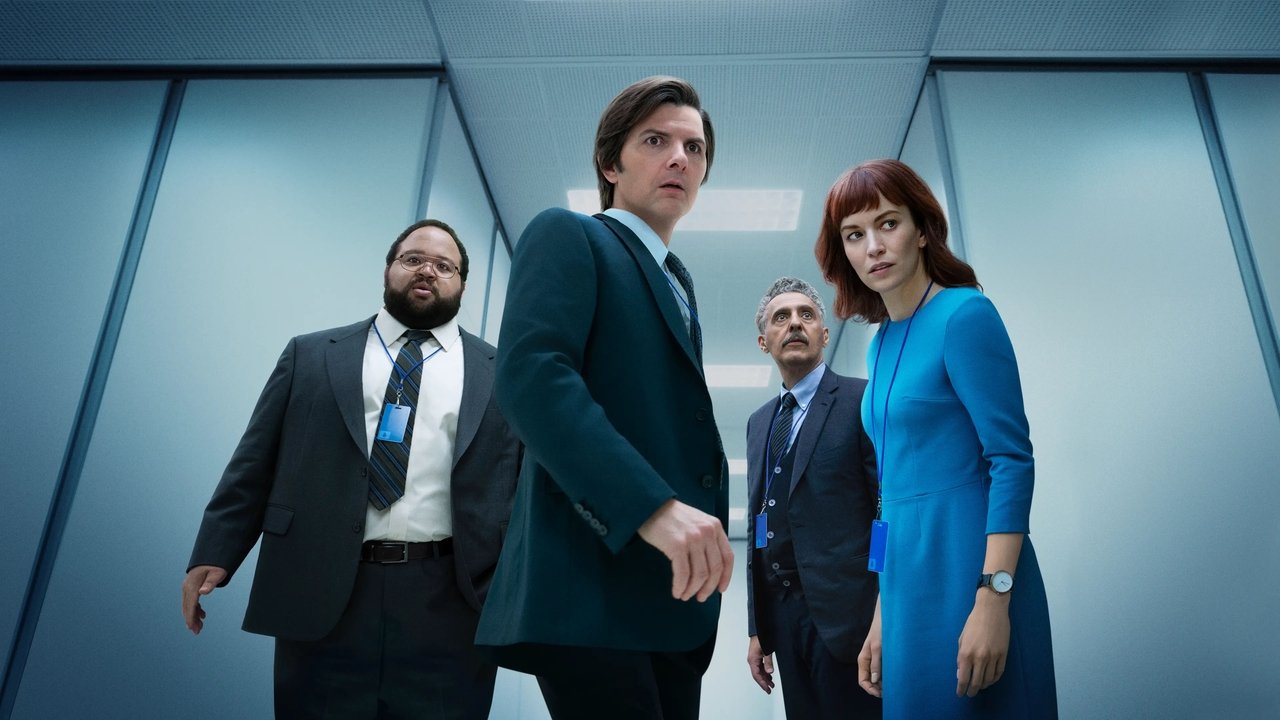
Let me be blunt: if you want to watch Severance, The Last of Us, and Stranger Things without a single commercial interruption across the major platforms, you’re looking at somewhere north of $80 a month. That’s cable money. The very thing streaming was supposed to kill.
Table of Contents
The Math That Hurts
Let’s run the numbers. Netflix Premium (4K, no ads): $24.99. Disney+ Premium (no ads): $15.99. Max Ad-Free: $16.99. Prime Video Ad-Free add-on: $2.99 on top of the $14.99 Prime subscription. Hulu No Ads: $18.99. Apple TV+: $9.99 (still mercifully ad-free, for now). That’s $89.94 before taxes, and I haven’t even added Peacock, Paramount+, or any niche services.
Now compare that to the ad-supported equivalents. Netflix Standard with Ads: $6.99. Disney+ Basic: $9.99. Max With Ads: $9.99. Hulu With Ads: $9.99. Suddenly the same core lineup drops to around $52, and that extra $38 per month starts looking like a lot of money for the privilege of not watching a mattress commercial.
The platforms know exactly what they’re doing. The ad-supported tiers aren’t designed to be the budget option — they’re designed to be the default option. The premium tiers exist to make you feel like you’re upgrading rather than just getting what you already had for the same price two years ago.
How We Got Here
The turning point was early 2024, when Amazon flipped the switch and made Prime Video ad-supported by default. It wasn’t the first platform to run ads — Hulu had been doing it for years — but Amazon’s move was different. It took a service that millions of people already paid for and added a new annoyance, then offered to remove it for a fee. The message was clear: your existing subscription is no longer enough.
Netflix followed a similar playbook. When the ad tier launched in late 2022, it was pitched as a way to bring in budget-conscious viewers. But the platform also started cracking down on password sharing at roughly the same time, which meant existing subscribers had to either pay more or accept ads just to maintain access. The squeeze happened from both directions.
Disney+ and Max raised their ad-free prices in lockstep throughout 2024 and 2025. Each increase was modest on its own — two or three dollars here and there — but they accumulated into something significant. A Disney+ subscription that cost $7.99 in 2022 now runs $15.99 for the same ad-free experience. That’s a 100% increase in four years.
The Shows Are Better Than Ever, Though
Here’s the frustrating part: the content has arguably never been stronger. Squid Game Season 3 is on the horizon. Wednesday Season 2 delivered. The Last of Us continues to be the best video game adaptation ever made. FROM on MGM+ has built a cult following that rivals anything on premium cable.
But the fragmentation is real. Each of these shows lives on a different platform, and each platform wants its own monthly subscription. The “cord-cutting” dream of a single, affordable streaming package has been replaced by a cable-like bundle of six to eight services that collectively costs more than cable ever did — and half of them show you ads anyway.
What Happens Next
The industry isn’t done squeezing. Analysts expect another round of price increases before the end of 2026, and the long-rumored Apple TV+ ad tier feels increasingly inevitable. Once Apple — the company that built its brand on premium, uninterrupted experiences — starts running ads, the ad-free era is truly over.
There’s also the bundling trend. Disney and Warner Bros. Discovery have already experimented with a Max-Disney+-Hulu bundle. Amazon offers add-on channels. Verizon and T-Mobile throw in streaming perks with phone plans. These bundles bring the per-service cost down, but they lock you into ecosystems and make it harder to cancel any single service. It’s the cable playbook, repackaged for the internet age.
Is Ad-Free Worth It?
That depends on how you watch. If you’re a casual viewer who puts on a show while folding laundry, the ad-supported tiers are honestly fine. A few 30-second interruptions barely register when you’re half-paying attention.
But if you’re the kind of person who watches prestige dramas the way some people read novels — lights off, phone away, fully immersed — then the ad-free premium is genuinely worth the cost. There’s a reason FROM fans don’t want a Geico commercial between them and the latest monster reveal. Some experiences are meant to be uninterrupted.
The uncomfortable truth is that the streaming industry has figured out what the cable industry knew decades ago: ads make more money than subscriptions. A subscriber who watches ads generates revenue from both their monthly fee and the advertisers buying their attention. The platforms aren’t pushing ad tiers because they want to give you a cheaper option — they’re pushing ad tiers because it’s a better business.
Ad-free streaming isn’t going away entirely. But it’s becoming what first class is to flying — available if you’re willing to pay, and priced to make the “basic” option look reasonable by comparison. The golden age of cheap, ad-free streaming is behind us. Welcome to the new normal.
The One Silver Lining
If there’s any upside to the ad-supported shift, it’s that platforms now have a financial incentive to keep shows running longer. In the old Netflix model, a series had to drive new subscriptions to justify its budget — which is why so many promising shows got canceled after two seasons. With ad revenue in the mix, a show with a loyal but modest audience can generate ongoing income without needing to be a global phenomenon.
That doesn’t make the ads any less annoying. But if it means your favorite mid-tier show gets a Season 3 instead of an abrupt cancellation email, maybe there’s a trade-off worth acknowledging. Just maybe.
© Telepisodes [EST 2008 - 2018] Disclaimer | Sitemap | About | Blog | Use of this website constitutes acceptance of Telepisodes' Terms of Service and Privacy Policy.