Watch Series Online

A24 vs. Its Fans: Why the Studio’s 75 Million Google AI Deal Has Sparked Hollywood’s Messiest Culture War
A24 spent a decade building the most enviable brand in Hollywood. The studio that gave us Everything Everywhere All at Once, Ex Machina, and Her didn’t just make movies — it cultivated an identity. It was the anti-corporate studio. The home for weird auteurs. The label whose logo on a trailer made film Twitter collectively lose its mind. So when news broke last week that A24 had signed a $75 million research partnership with Google DeepMind, the backlash wasn’t surprising — it was inevitable.
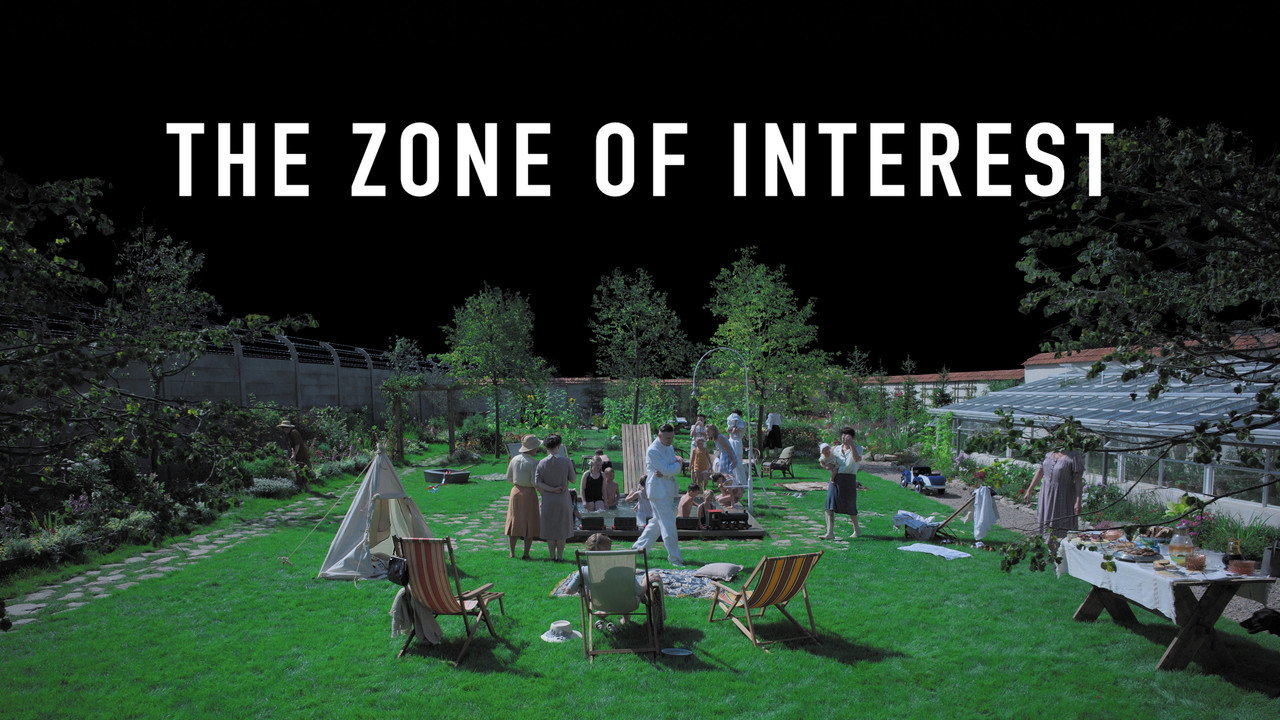
What’s been fascinating is watching the fallout unfold in real time. A24 fans — the same people who line up for limited-edition Midsommar flower dresses and treat the studio’s merch drops like Supreme releases — are genuinely hurt. They feel betrayed. The subreddit erupted. Instagram comments turned into miniature thinkpieces. The studio that defined itself by championing human artistry over algorithmic content had just climbed into bed with the biggest AI company on the planet.
Table of Contents
The Deal: What’s Actually Happening
Let’s clarify what the partnership actually involves, because the discourse has been running on vibes more than facts. According to Google’s announcement, this is a “deep research and development collaboration spanning multiple projects over time.” The stated goal is developing AI workflow tools for filmmakers — storyboarding assistance, pre-visualization, production planning. Not replacing writers with chatbots or generating whole films from text prompts.
A24 spokesperson Sophia Shin released a statement that tried threading a very narrow needle: the studio doesn’t “necessarily love” generative AI content, but “we’d rather have a seat at the table than on the sidelines.” That line — simultaneously defensive and assertive — captures the impossible position A24 finds itself in. If they ignore AI, the technology reshapes filmmaking without any input from the artists who actually make movies. If they engage with it, they get accused of selling out.
The money is significant — $75 million — but in Hollywood terms, it’s not transformative. That’s less than the production budget of a midsize blockbuster. What matters is the signal it sends. A24 is betting that AI tools will become as essential to filmmaking as digital editing software did in the 1990s, and they want their filmmakers to have access to the best versions of those tools before anyone else.
Why Fans Are So Angry
The anger isn’t really about the technology. It’s about identity. A24’s entire brand proposition was that it was different — that it cared about art over commerce, about visionary directors over franchise IP, about the messy, human, imperfect process of creation over the sleek efficiency of corporate content. Partnering with Google, a company whose name is practically a synonym for “algorithmic scale,” feels like a fundamental violation of that promise.
There’s also a timing problem. This deal arrives in the middle of Hollywood’s most intense reckoning with AI since the technology entered the cultural conversation. The WGA and SAG-AFTRA strikes of 2023 established hard-won protections against AI replacing writers and actors. The Art Directors Guild recently called out Martin Scorsese for using AI in pre-production on a forthcoming project. Every new AI-adjacent announcement lands in a minefield.
Indiewire’s analysis captured the mood with a headline that probably stung at A24 headquarters: “A24 Will Survive the AI Backlash, But Some Believe It Sold Its Soul.” That’s the core tension. The studio will almost certainly weather this storm — their release slate is too strong, their audience too loyal. But something intangible might have shifted. The sheen of being the “good guys” in an industry full of bad guys is hard to earn back once it’s lost.
The Contradictions Worth Noticing
There’s some selective outrage happening here that’s worth acknowledging. A24 has distributed films that used AI tools in post-production. Visual effects houses have been using machine learning-assisted rotoscoping and compositing for years without anyone calling it a betrayal of artistic integrity. The line between “acceptable tech” and “soul-selling AI” turns out to be mostly about vibes and branding.
There’s also the uncomfortable reality that a significant portion of the anger is coming from people who have no problem watching movies on platforms built entirely on algorithmic recommendation engines, or sharing their outrage on social networks whose feeds are optimized by the same kind of machine learning models. The selective morality of digital consumption is probably worth its own article, but it’s relevant here: A24 partnering with Google feels different than Netflix using an algorithm to decide what thumbnail you see, even though the underlying technology isn’t fundamentally different.
What makes this messier is that A24 might actually be right about the strategic calculus. If AI tools are going to become part of the filmmaking pipeline — and every signal from every major studio suggests they will — then having filmmakers and artists involved in shaping those tools is genuinely better than letting tech companies design them in a vacuum. The question is whether A24 can convince its audience that “seat at the table” is a principle worth defending, or whether it’ll sound like exactly the kind of corporate rationalization they built their brand to reject.
What Happens Next
The partnership is happening regardless of the backlash. Google DeepMind has the money and the compute, and A24 has the creative credibility to make AI filmmaking tools feel legitimate rather than dystopian. Several projects are already in development under the collaboration, though specifics haven’t been announced.
The real test will be whether any of the tools actually help filmmakers make better work — and whether A24 is transparent about how they’re being used. If the output is The Whale-level emotional devastation that happens to have been storyboarded with AI assistance, most audiences won’t care. If it produces something that feels algorithmically generated, the backlash gets a second, much angrier act.
One thing seems certain: this conversation isn’t going away. Every studio in Hollywood is watching to see whether A24 pulls this off or becomes a cautionary tale. The studio that built its reputation on taking creative risks just took the biggest one in its history — and this time, the stakes aren’t just about box office returns. They’re about whether an artist-first brand can survive a partnership with the most powerful technology company on earth without losing the thing that made it special in the first place.
© Telepisodes [EST 2008 - 2018] Disclaimer | Sitemap | About | Blog | Use of this website constitutes acceptance of Telepisodes' Terms of Service and Privacy Policy.